Good to Know
Uzupis, the self-declared 'independent republic' neighborhood, has its own constitution (including the right of cats to be lazy) and it's a genuine community, not just a tourist gimmick.
Vilnius has one of the fastest public internet speeds in Europe and the digital infrastructure is excellent -- the city actively courts remote workers and digital nomads.
The Hales Turgus indoor market is where you find the real Lithuanian food culture, from smoked meats and fresh curd cheese to seasonal mushrooms foraged from nearby forests.
Lithuanian bureaucracy is surprisingly digital and efficient -- many residency and tax procedures can be completed online, which is a pleasant shock for anyone coming from southern Europe.
Winter daylight drops to about 7 hours in December and many locals use vitamin D lamps -- take seasonal darkness seriously when planning your move.
Where to Live in Vilnius
Uzupis began as an artists' squat in the 1990s and has matured into Vilnius's most creative quarter. The streets along the Vilnele river are lined with studios, small galleries, and independent bars. It borders the Old Town but has its own distinct, slightly bohemian atmosphere. Spring and summer bring outdoor events and the whole neighborhood feels like a village festival. Best for: creatives, young professionals, anyone wanting community and character.
Snipiskes across the river has transformed from Soviet-era neglect into the city's modern business district, anchored by the striking Vilnius skyline of glass towers. But between the offices are new apartment developments with river views, excellent cycling paths, and the massive Vingis Park nearby. It's where Vilnius feels most like a forward-looking Nordic capital. Best for: professionals, young families, anyone wanting modern living.
Zverynas is Vilnius's green lungs -- a residential neighborhood of wooden houses and quiet streets between the Neris river and the Vingis Park. It feels almost suburban despite being minutes from the center, and the pace of life is noticeably slower. The wooden architecture gives it a unique character, and the park access is unbeatable. Best for: families, nature lovers, anyone wanting peace.
Naujamiestis (New Town) is where most of the city's best restaurants, coffee shops, and bars have clustered. The area around Pylimo and Kalinausko streets buzzes with young energy, and the old industrial buildings are being converted into creative spaces. It bridges the Old Town and the train station, making it one of the most connected neighborhoods. Best for: foodies, nightlife lovers, young professionals.
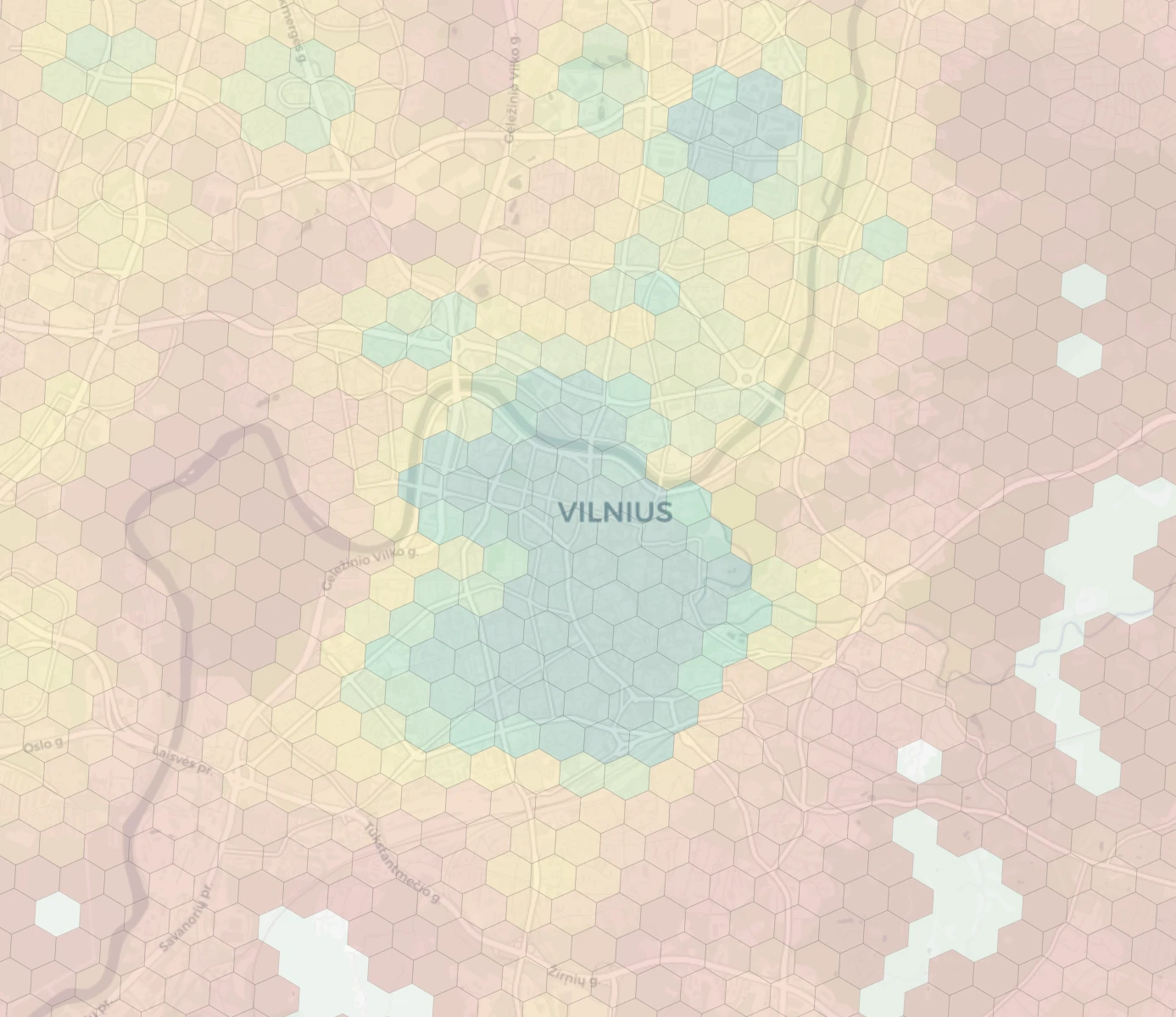
Top Neighborhoods by the Numbers
Explore Vilnius by Category
Frequently Asked Questions
How cold does winter actually get?
Properly cold. January averages around minus 5 but spells of minus 15 or colder happen every winter. The key is that it's dry cold with snow, not damp cold, so it's more bearable than the same temperature would feel in western Europe. Invest in good boots, a real winter coat, and thermal layers. Lithuanians don't let winter stop them -- they just dress for it.
Is Vilnius too small to be interesting long-term?
The city has around 600,000 people and yes, it's small. You will run into the same people at events. But the upside is that you can quickly become part of the community rather than being anonymous. Riga and Warsaw are easy weekend trips, and the Lithuanian countryside with its lakes and forests provides a different kind of richness.
Do I need to learn Lithuanian?
For daily life in the center, English covers most situations, especially with younger people. But Lithuanian is deeply tied to identity here, and making any effort -- even basic greetings and shopping phrases -- earns enormous goodwill. The language is genuinely difficult with its case system, but locals are patient and appreciative of any attempt.
Data from OpenStreetMap contributors, licensed under ODbL. Scores computed across 22 categories using H3 hexagonal grid analysis. Last updated: 2026-04-25.