Good to Know
Most Romans do their serious grocery shopping at neighborhood outdoor markets like Testaccio or Trionfale, not supermarkets -- arrive before 11am for the best selection.
The metro has only 3 lines because every construction project unearths ancient ruins, so buses and trams are your real transit backbone.
August is when the city empties out -- locals flee to the coast, many restaurants and shops close, and finding an open pharmacy becomes an adventure.
Rent in livable neighborhoods like Monteverde or Pigneto runs roughly 900 to 1,300 euros for a one-bedroom, far less than northern European capitals.
Learning even basic Italian transforms your experience -- Romans are warm but they genuinely appreciate the effort, and many services simply don't work in English.
Where to Live in Rome
Testaccio is Rome's best-kept not-so-secret secret. This former working-class neighborhood built around the old slaughterhouse has become the city's food capital. The market is legendary, the restaurants are where Roman chefs actually eat on their nights off, and the nightlife around Monte Testaccio keeps things lively without the tourist circus. Best for: foodies and anyone who wants authentic Roman life with an edge.
Monti sits between the Colosseum and Termini station, and it's the neighborhood that feels most like a small town dropped into a metropolis. Vintage shops, independent bookstores, wine bars that spill onto Via del Boschetto -- it has an artsy, slightly bohemian energy that attracts a younger crowd. Best for: couples and young professionals who want walkability and charm.
Monteverde Vecchio, perched on a hill southwest of Trastevere, is where Romans go when they want space and quiet without leaving the city. Tree-lined streets, Villa Pamphili for weekend runs, and a genuine neighborhood feel with bakeries and family-run shops. It's residential in the best way. Best for: families and anyone craving green space and calm.
Pigneto has the grittiest energy on this list -- street art, dive bars, international food, and a creative scene that feels unpolished in a good way. It's east of the center and well-connected by tram. Rents here are among the lowest for central-ish living. Best for: budget-conscious creatives, students, and nightlife lovers.
Top Neighborhoods by the Numbers
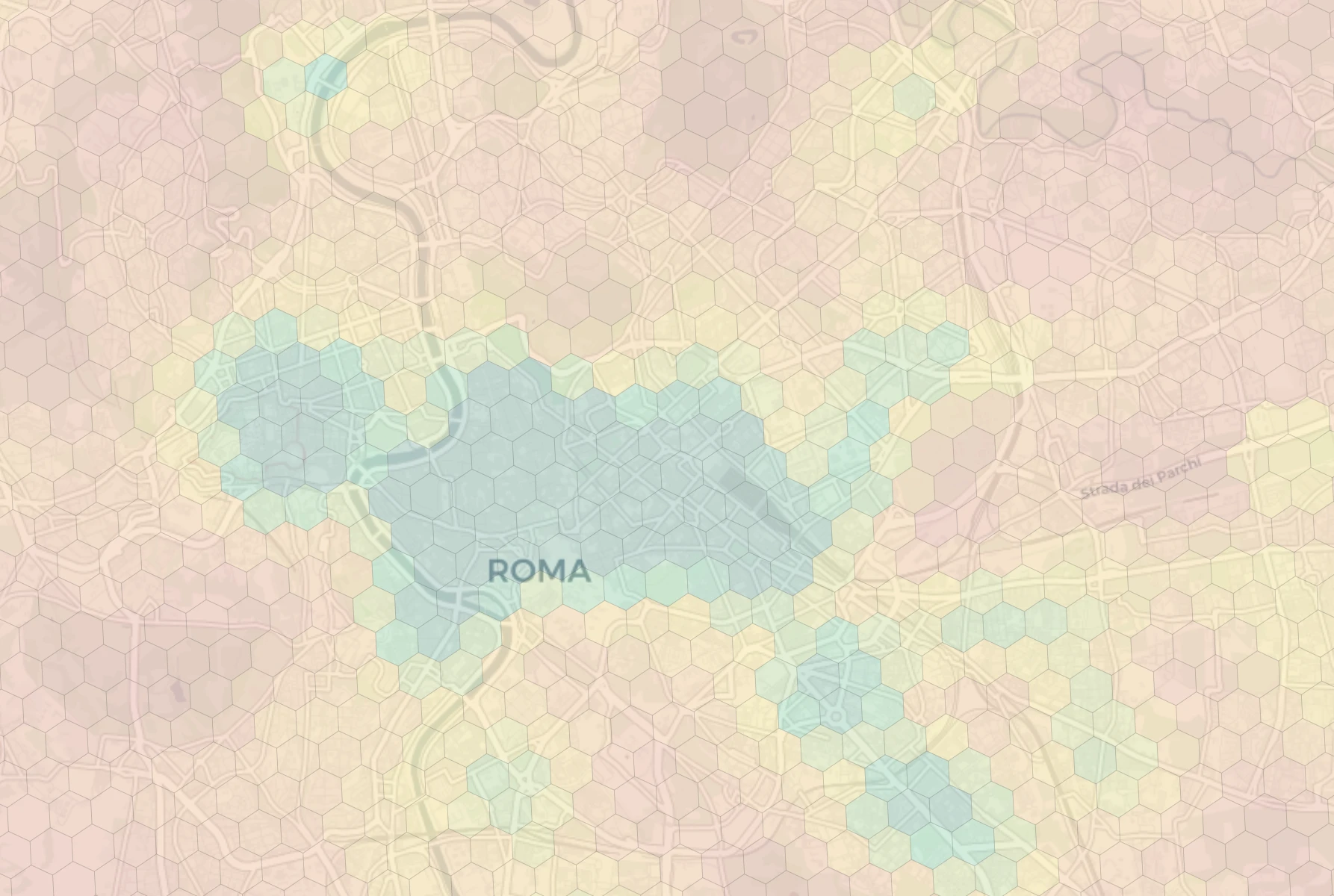
Explore Rome by Category
Frequently Asked Questions
Can I get by in Rome without a car?
Absolutely, and you should. Parking is a nightmare, ZTL restricted zones will get you fined, and the historic center is best explored on foot. The bus and tram network covers most of the city, and while it's not always punctual, combining it with walking and the occasional taxi works well. Many Romans also use scooters or e-bikes.
Is Rome safe for walking around at night?
Generally very safe, especially in the central neighborhoods. Italians eat dinner at 9pm and walk home at midnight -- the streets stay lively late. The main concerns are pickpocketing around tourist hotspots and Termini station. Use common sense and you'll be fine.
What's the healthcare situation like for expats?
Italy has a public healthcare system that covers EU citizens with an EHIC card and registered residents. The quality is good, especially at the larger hospitals like Policlinico Gemelli. Wait times for specialists can be long in the public system, so many expats keep a private insurance policy for faster access. English-speaking doctors are available but not everywhere.
Data from OpenStreetMap contributors, licensed under ODbL. Scores computed across 22 categories using H3 hexagonal grid analysis. Last updated: 2026-04-25.