Good to Know
Summer tourist crowds make the historic center nearly unlivable from June through September -- most residents escape to the hills or coast
The rental market is distorted by short-term tourist rentals, so finding long-term housing requires persistence and local connections
Cycling is the best way to get around the flat city center, and the car-free zones keep expanding
Florence is small enough that you will build a local reputation quickly -- be a good neighbor and you will be embraced
The Tuscan countryside is on your doorstep, with wine country and hill towns reachable in under an hour
Where to Live in Florence
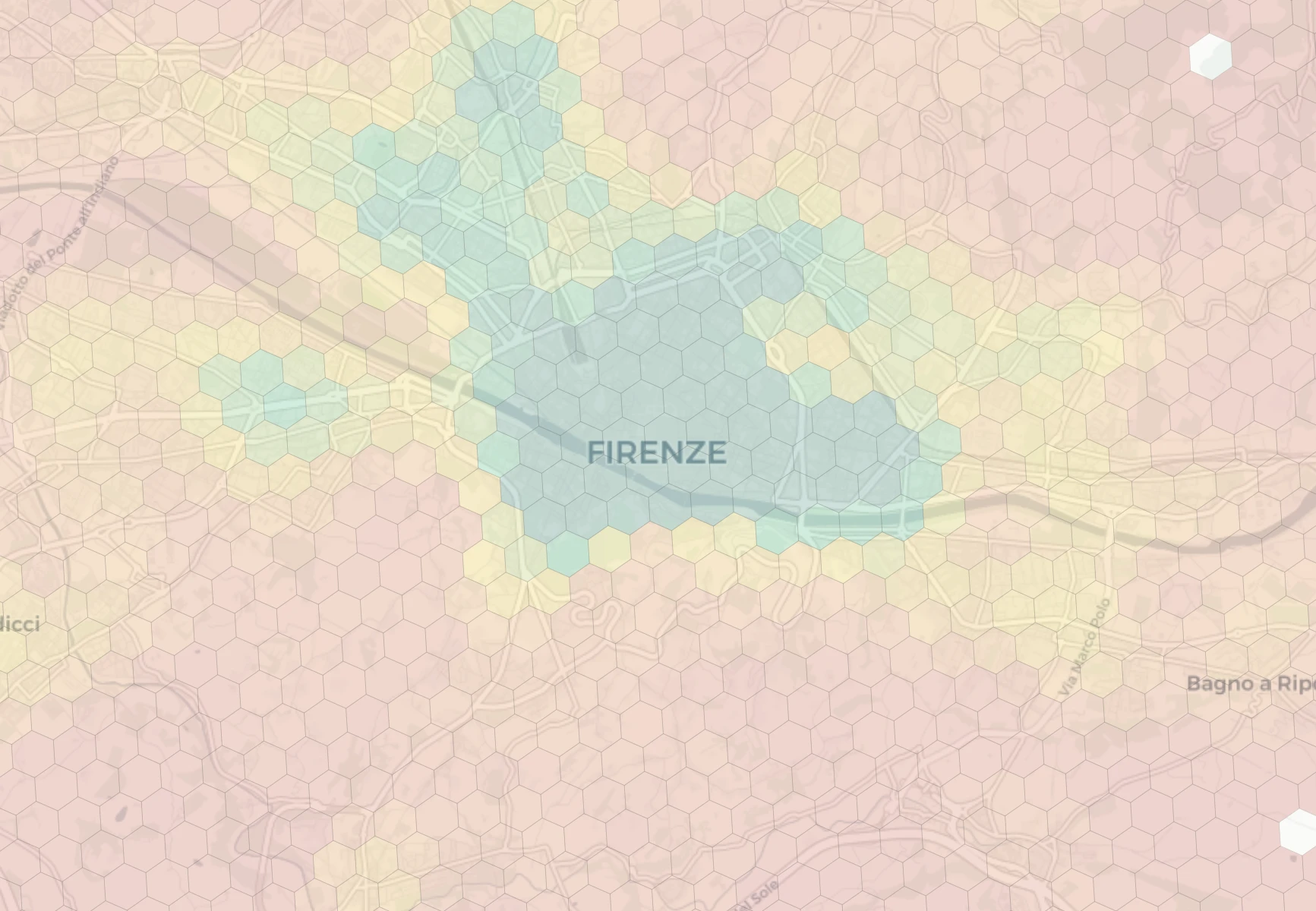
San Frediano is Oltrarno's quieter cousin -- best for young professionals and couples. Slightly further from the center, it offers lower rents and a neighborhood feel that is more residential than touristic. The Piazza del Carmine anchors local life, and the streets are filled with the kind of small shops and trattorias that have served the same families for generations. It feels like old Florence in the best possible way.
Santa Croce surrounds the famous basilica but extends into genuinely residential streets -- best for newcomers wanting central convenience. The neighborhood market of Sant'Ambrogio is one of the best in the city, and the streets between the piazza and the river have a lively mix of local life and international presence. It is well-positioned for walking everywhere and has more housing stock than the tightest central zones.
Campo di Marte is the residential district east of the center -- best for families and sports enthusiasts. Named after the athletics stadium, it has a neighborhood feel with tree-lined streets, local schools, and everyday shops. The train station connects you to the center in minutes, and the area around the stadium has parks and running paths. It is where many Florentine families actually live.
Rifredi is the university area northwest of the center -- best for students and budget-conscious residents. It has a younger energy, more affordable rents, and an increasing number of interesting restaurants and bars. The new tram line has improved connections to the center dramatically. It is not beautiful in the way the center is, but it is practical, lively, and genuinely Italian.
Top Neighborhoods by the Numbers
Explore Florence by Category
Frequently Asked Questions
Can I work in Florence if I do not speak Italian?
It is very difficult. Unlike Milan or Rome, Florence's economy is smaller and more locally oriented. Tourism jobs sometimes work in English, but for most employment you need functional Italian. Remote workers do well here, but integrating into the local economy requires the language.
How do Florentines feel about foreigners moving there?
There is some tension around the impact of mass tourism and short-term rentals on housing availability. But foreigners who make an effort to learn Italian, shop locally, and respect neighborhood customs are generally welcomed warmly. Being a resident is very different from being a tourist in their eyes.
Is Florence too touristy to actually live in?
The historic center around the Duomo can feel like a theme park in peak season, yes. But most residential neighborhoods -- Oltrarno, San Frediano, Campo di Marte -- feel nothing like that. The key is choosing where you live wisely and embracing the local rhythms rather than the tourist trail.
Data from OpenStreetMap contributors, licensed under ODbL. Scores computed across 22 categories using H3 hexagonal grid analysis. Last updated: 2026-04-25.