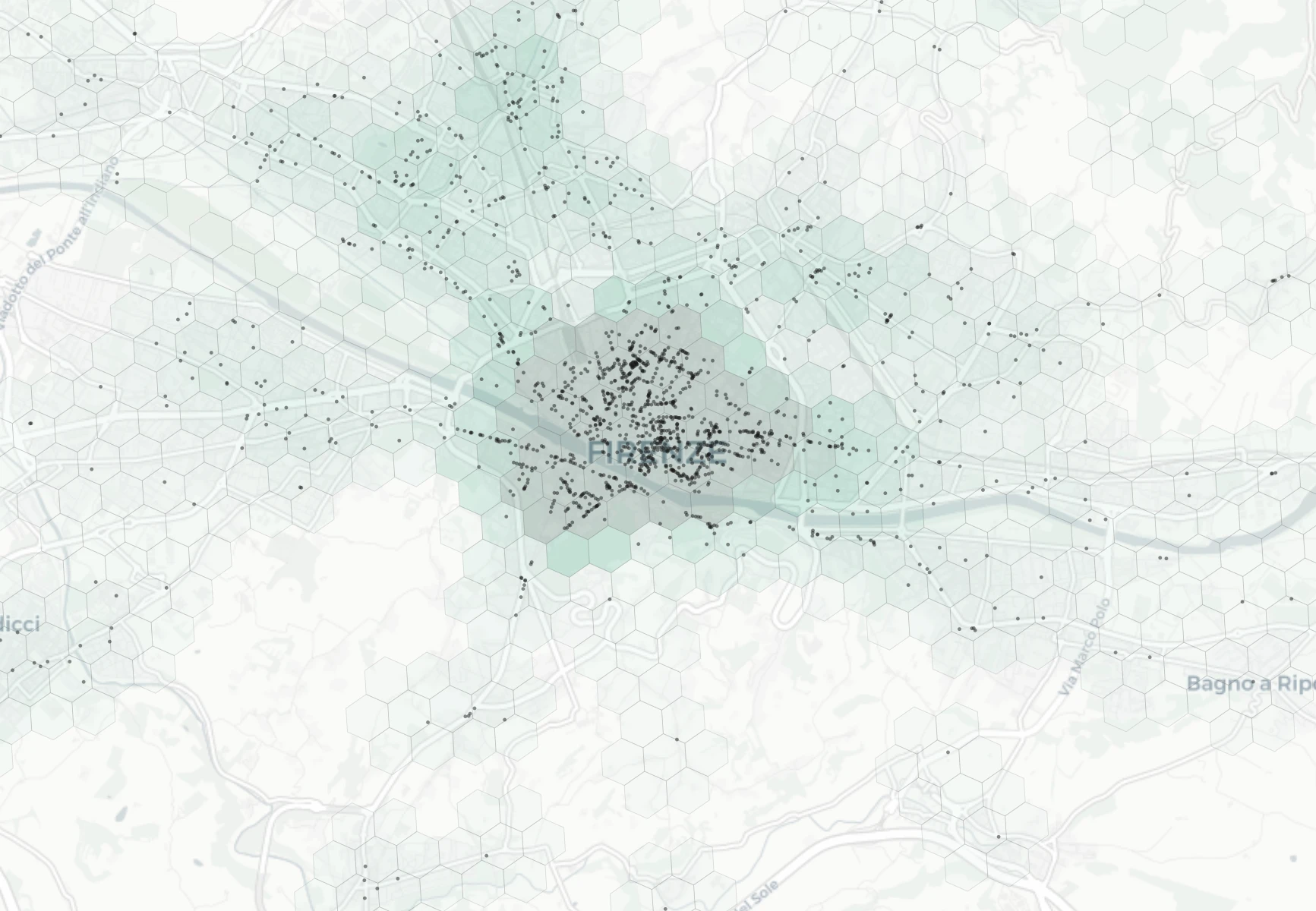
Top 5 Neighborhoods for Dining
Dining in Florence
The San Lorenzo market area is the traditional food neighborhood. The Mercato Centrale, recently renovated with an upscale food hall on the upper floor, is useful for a quick lunch -- the lampredotto (tripe) stand by Nerbone on the ground level has been serving market workers since 1872. The surrounding streets have butchers, cheese shops, and pasta makers that supply local restaurants.
The Oltrarno -- the neighborhood across the Arno -- is where locals eat when they want to avoid any trace of tourism. Santo Spirito square is the heart of the area, and the streets behind the Palazzo Pitti hold some of Florence's most honest trattorias. Trattoria Sabatino on Via Pisana serves a three-course lunch at prices that feel like a time warp -- arrive early as they run out of dishes. Il Latini on Via dei Palchetti is more boisterous and famous, but the quality of its Tuscan staples justifies the reputation.
Sant'Ambrogio market on the east side of the center is less visited than San Lorenzo and feels more genuinely local. The market itself sells produce, cheese, and meat, and the surrounding streets -- particularly Via dei Macci and Via Pietrapiana -- have excellent small restaurants. Cibreo, a cluster of restaurant, trattoria, and cafe by the same family, is an institution of modern Florentine cooking.
For pizza, head to Santarpia on Largo Annigoni or Il Pizzaiuolo on Via dei Macci -- both serve Neapolitan-style pizza that competes with Naples itself.
Seasonal essentials: ribollita (bread soup) and pappa al pomodoro are autumn and winter dishes. Spring brings fresh peas and artichokes. Summer is for panzanella (bread salad with tomatoes) and cold white wine from the Chianti hills. New olive oil arrives in November -- do not miss it drizzled on toasted bread with garlic.