Good to Know
Palermo's street food culture is UNESCO-recognized and is the best in Italy -- the markets at Ballaro, Vucciria, and Capo are daily sensory experiences, not tourist attractions.
The Arab-Norman architectural circuit, including the Palazzo dei Normanni and the Cathedral, is a UNESCO World Heritage site that reflects Sicily's unique cultural crossroads.
Palermo's cost of living is strikingly low -- a one-bedroom in the center can run 400 to 650 euros, and eating out daily is genuinely affordable.
The city has an active anti-mafia movement, and organizations like Addiopizzo have created a network of businesses that publicly refuse to pay protection money.
August heat is intense (regularly above 40 degrees) and the city empties -- locals head to coastal towns like Mondello, Cefalu, or the Aeolian Islands.
Where to Live in Palermo
Ballaro neighborhood wraps around the famous market that bears its name. Every morning, vendors call out prices for fresh fish, vegetables, and spices in a scene that hasn't fundamentally changed in centuries. The streets are narrow, the energy is intense, and the street food -- panelle and crocche from market stalls -- is extraordinary. It's the most multicultural neighborhood in Palermo, with a significant immigrant community adding to the cultural mix. Best for: adventurous eaters, budget-conscious newcomers, and anyone who thrives on market life.
Liberta is Palermo's most elegant neighborhood, centered around Via Liberta's tree-lined boulevard with its art nouveau villas and upscale shops. Teatro Politeama anchors one end. It's calmer, more orderly, and more middle-class than the centro storico. The Giardino Inglese provides green space, and the dining here tends toward refined Sicilian rather than street food. Best for: families, professionals, and anyone who wants Palermo life with more structure.
Mondello is Palermo's beach escape, a former fishing village about 20 minutes north that wraps around a perfect crescent of sand between two headlands. In summer it's packed and electric; in winter it's quiet and hauntingly beautiful. The seafood restaurants along the water are excellent. Living here means a beach commute but more distance from the city's cultural center. Best for: beach lovers, families with kids, and anyone who puts the sea first.
Albergheria surrounds the Palazzo dei Normanni and the Cappella Palatina, and it's perhaps Palermo's most genuine neighborhood. The Capo market winds through its streets. It's popular with international students and a growing creative community who've been drawn by low rents and authentic atmosphere. The neighborhood has rough spots but also incredible warmth and community. Best for: students, budget-minded creatives, and those who want to live in the real Palermo.
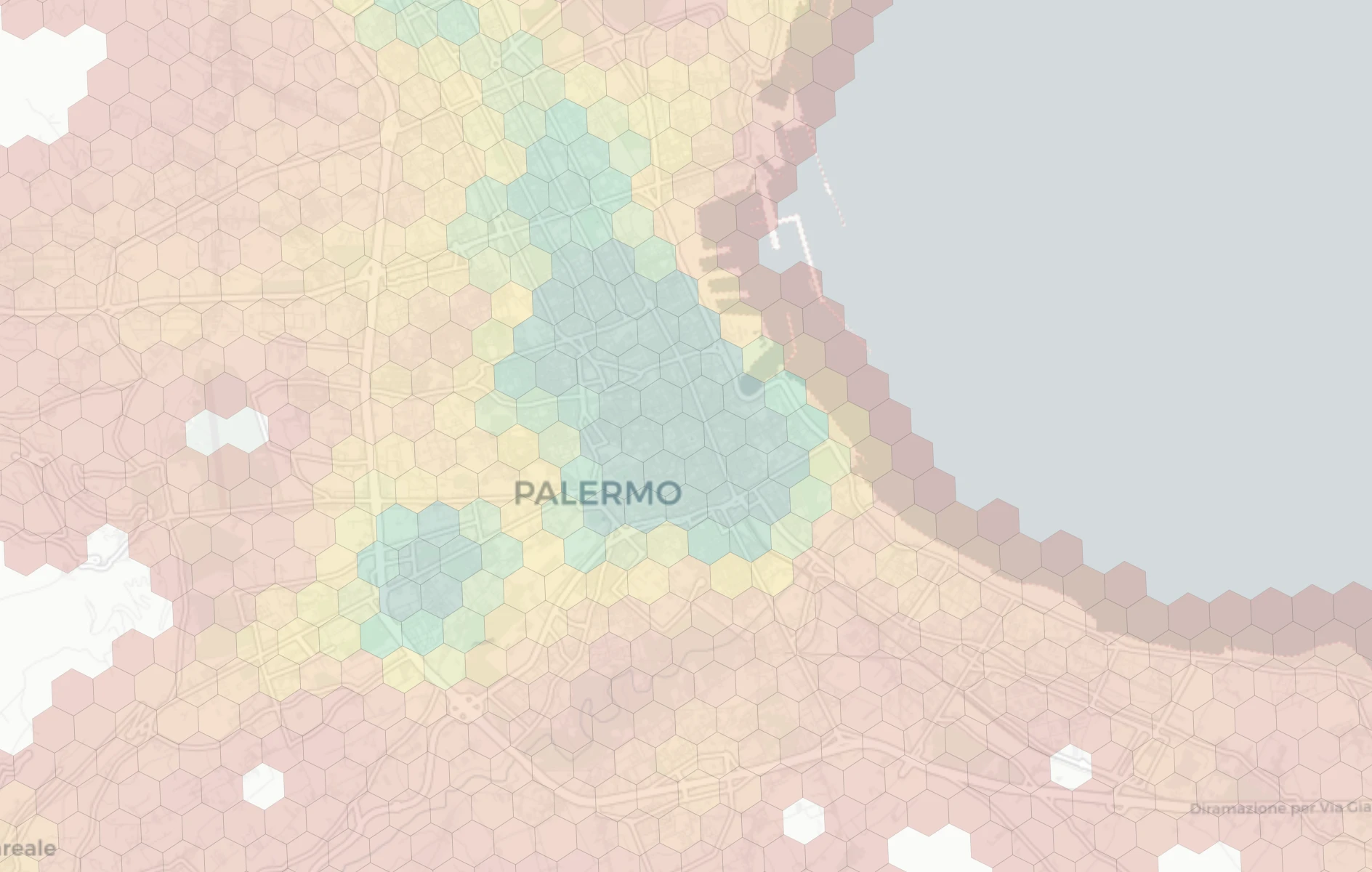
Top Neighborhoods by the Numbers
Explore Palermo by Category
Frequently Asked Questions
Is the mafia still a real concern for residents?
The Cosa Nostra's visible power has diminished enormously since the 1990s, and daily life for residents and expats is not affected by organized crime. The anti-mafia movement is strong and culturally prominent. You'll see Addiopizzo stickers on shop windows -- businesses proudly declaring they don't pay protection money. Palermo is genuinely safe for everyday living; petty theft is a more practical concern.
How is the public transit?
Honestly, it's limited. Palermo has buses and a tram line, but service can be unreliable and infrequent. The centro storico is very walkable, and many locals use scooters or bikes. If you live in Mondello or the outer areas, a car helps. The city is flat enough for comfortable cycling, though dedicated bike lanes are still developing.
Can I work remotely from Palermo?
It's becoming an increasingly popular choice. Internet infrastructure has improved significantly, co-working spaces have opened in the centro storico, and the cost of living means a moderate remote salary goes very far. The social scene is welcoming, the food is extraordinary, and the climate means you'll never want for sunshine. Just be prepared for August -- everyone leaves and the heat is serious.
Data from OpenStreetMap contributors, licensed under ODbL. Scores computed across 22 categories using H3 hexagonal grid analysis. Last updated: 2026-04-25.