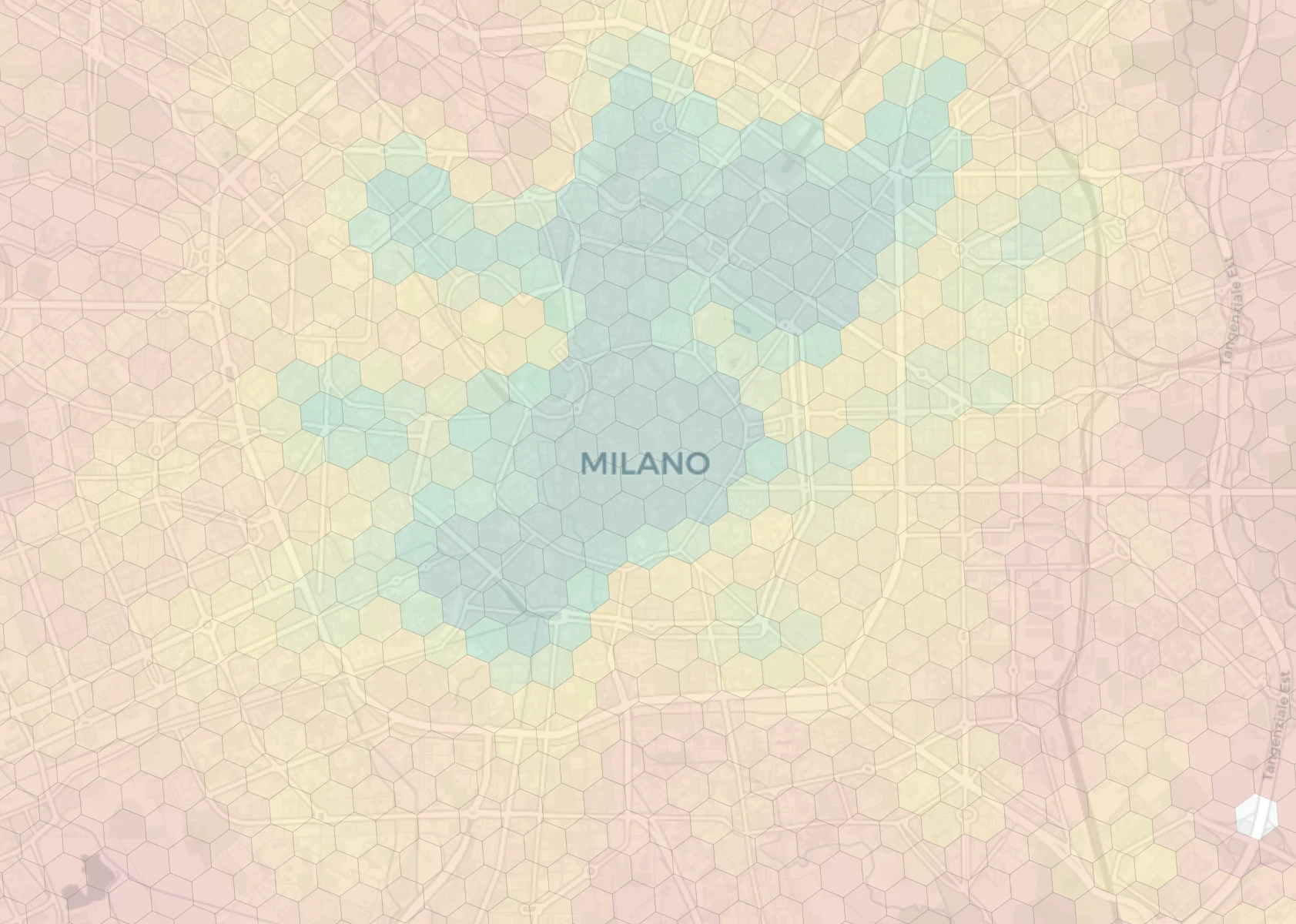
Good to Know
Aperitivo culture is sacred -- most bars serve generous food with evening drinks, and it is the main way people socialize after work
Milan's housing market moves fast, so be ready to decide quickly and always view apartments in person before signing
The city shuts down in August when many shops and restaurants close for summer holidays
Italian bureaucracy requires patience and persistence -- get a codice fiscale as your first administrative step
The lakes of Como and Maggiore are under an hour away by train, making weekend escapes effortless
Where to Live in Milan
Brera is elegant, artistic, and deeply Milanese -- best for culture lovers and design professionals. The Pinacoteca di Brera anchors a neighborhood of cobblestone streets, galleries, and upscale boutiques. Aperitivo here has a refined feel, and the residential streets above the main drag are surprisingly quiet. It is expensive but beautiful in a way that rewards daily discovery.
Isola emerged from working-class roots into one of Milan's most exciting districts -- best for young professionals and trend-seekers. The Bosco Verticale towers mark the skyline of a neighborhood that mixes old-school trattorias with natural wine bars and concept stores. The community feel is strong, with a weekly farmers market and a genuine neighborhood spirit that newer developments sometimes lack.
Citta Studi is the university district -- best for students and budget-conscious newcomers. The Politecnico campus anchors an area with affordable restaurants, casual bars, and a younger demographic. It is quieter than central neighborhoods but well-served by Metro line 2. The Lambrate area nearby adds a creative edge with design studios and galleries.
Porta Romana strikes a balance between central convenience and residential calm -- best for families and those seeking a grounded lifestyle. Tree-lined streets, local markets, excellent bakeries, and a community atmosphere make it feel like a small town within the city. The Fondazione Prada is nearby, adding cultural weight without disrupting the neighborhood's peaceful character.
Top Neighborhoods by the Numbers
Explore Milan by Category
Frequently Asked Questions
Is Milan as expensive as people say?
Housing costs are high by Italian standards, especially in central neighborhoods. However, daily expenses like food, transit, and healthcare are reasonable compared to northern European capitals. Eating well is very affordable if you shop at local markets and embrace the aperitivo tradition.
How important is Italian for living in Milan?
More important than you might expect. While the business and fashion worlds often operate in English, daily life -- from landlords to doctors to government offices -- runs in Italian. Basic conversational Italian will dramatically improve your experience and is expected by locals.
What is the work culture like?
Milan works harder and faster than the rest of Italy, but it is still Italian -- lunch breaks are respected, coffee rituals matter, and relationships are central to professional life. The tech and startup scene is growing and tends to be more flexible, while traditional industries maintain more formal hierarchies.
Data from OpenStreetMap contributors, licensed under ODbL. Scores computed across 22 categories using H3 hexagonal grid analysis. Last updated: 2026-04-25.