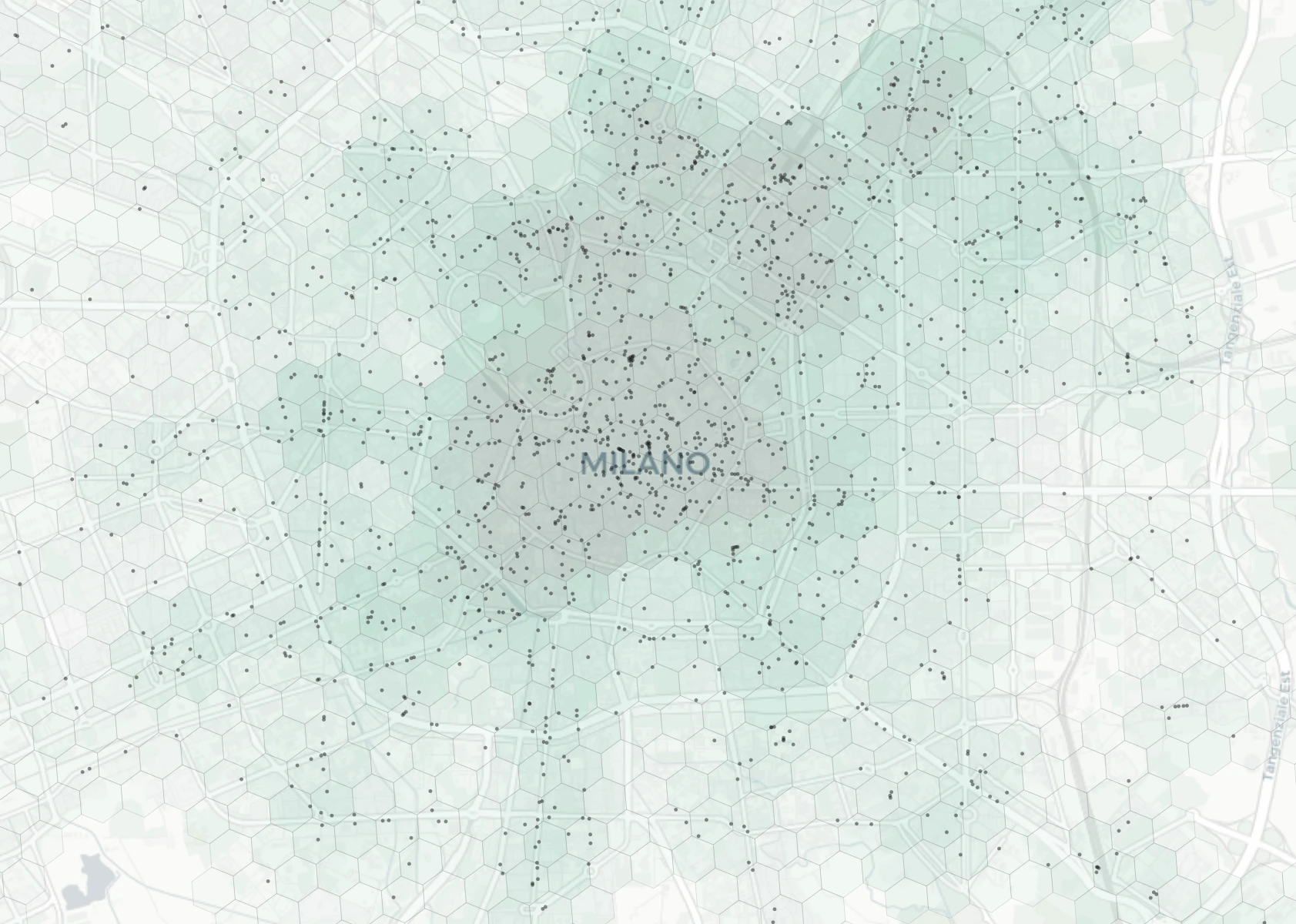
Top 5 Neighborhoods for Cafes & Culture
Cafes & Culture in Milan
But Milan also embraces the new. The specialty coffee scene is centered around the Porta Venezia and Isola neighborhoods, where third-wave roasters have opened bright, design-conscious spaces. These newer cafes encourage lingering, offer alternative brewing methods, and attract a creative crowd that works from laptops through the morning.
The cultural offerings are staggering. The Pinacoteca di Brera houses one of Italy's most important art collections in a setting that feels intimate despite the masterpieces on its walls. Around the corner, the Biblioteca Braidense is open to visitors and worth seeing for its architecture alone. The neighborhood galleries on Via Brera and the cross-streets host regular openings that are free and welcoming.
The Last Supper at Santa Maria delle Grazie requires advance booking, but the surrounding Magenta neighborhood rewards exploration with its liberty-style architecture and quiet cafes. The Basilica di Sant'Ambrogio nearby anchors a district rich in Romanesque churches and hidden courtyards.
Milan's theatre scene revolves around La Scala, but the smaller theatres -- Teatro Franco Parenti near Porta Romana, the Piccolo Teatro near the Duomo -- offer more adventurous programming. The Triennale design museum in Parco Sempione combines exhibitions with an excellent cafe that overlooks the park.
The Fondazione Prada in the south is worth the trip for its extraordinary Rem Koolhaas-designed campus. The Bar Luce inside, designed by Wes Anderson, is itself a cultural statement. The nearby Mudec museum in the Tortona district focuses on world cultures and pairs well with the design showrooms that fill this former industrial zone.
Fuorisalone during Milan Design Week in April transforms the entire city into a gallery. Cafes become exhibition spaces, courtyards host installations, and the boundary between drinking coffee and experiencing art dissolves completely.