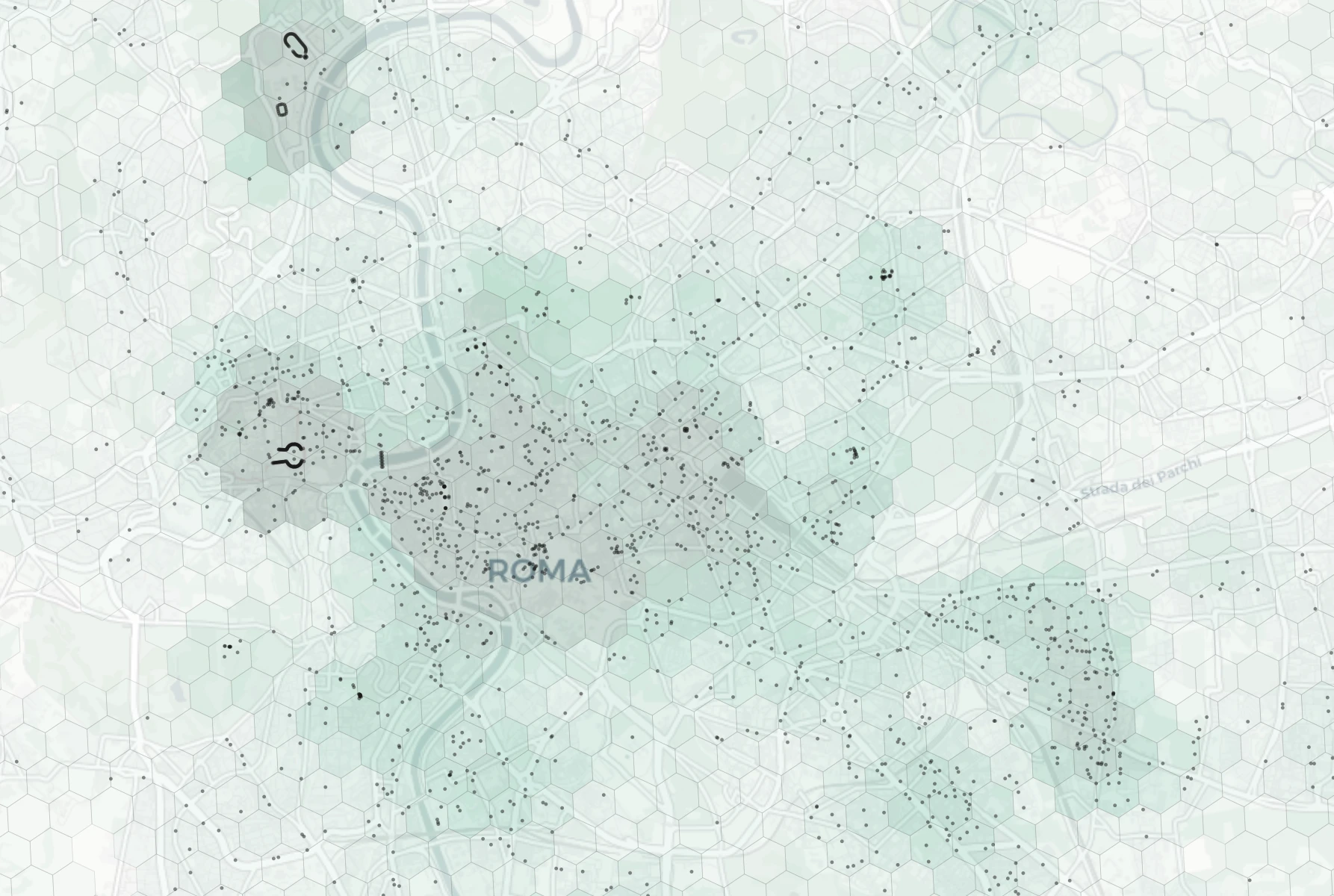
Top 5 Neighborhoods for Cafes & Culture
Cafes & Culture in Rome
The Monti neighborhood has become Rome's most interesting cafe scene, with specialty coffee roasters bringing third-wave culture to a city that was perfectly happy with its traditional espresso bars. Spots along Via Urbana and Via Panisperna serve single-origin pour-overs alongside classic Italian pastries, and the atmosphere leans creative and relaxed. Trastevere's cafes tend to be more traditional, and the people-watching from a table on Piazza di Santa Maria is some of the best in the city.
On the cultural front, Rome is simply overwhelming, so the trick is not trying to see everything. The Vatican Museums and Colosseum demand visits, obviously, but the smaller museums reward more richly. Palazzo Altemps near Piazza Navona houses stunning classical sculpture in a Renaissance palace with almost no crowds. Galleria Doria Pamphilj on Via del Corso is a private collection still owned by the original family, and walking through feels like visiting someone's impossibly grand living room.
The MAXXI museum in Flaminio, designed by Zaha Hadid, anchors Rome's contemporary art scene, and the surrounding neighborhood has galleries worth browsing. Macro in Via Nizza covers more contemporary ground. For photography, Palazzo delle Esposizioni on Via Nazionale hosts rotating exhibitions that are consistently excellent.
Rome's theater scene thrives in smaller venues. Teatro India in Ostiense and Teatro Argentina near Largo Argentina offer experimental and classical programs respectively. Summer brings performances to extraordinary outdoor settings -- opera at the Baths of Caracalla runs from June through August, and various estates and villas host concerts and theatrical performances throughout the warm months.
The first Sunday of every month, state museums offer free admission. It sounds wonderful in theory, but popular sites become crushingly crowded. Instead, use free Sunday to visit lesser-known gems like Museo delle Mura along the Aurelian Walls or the Centrale Montemartini, where classical statues are displayed among old power station machinery.