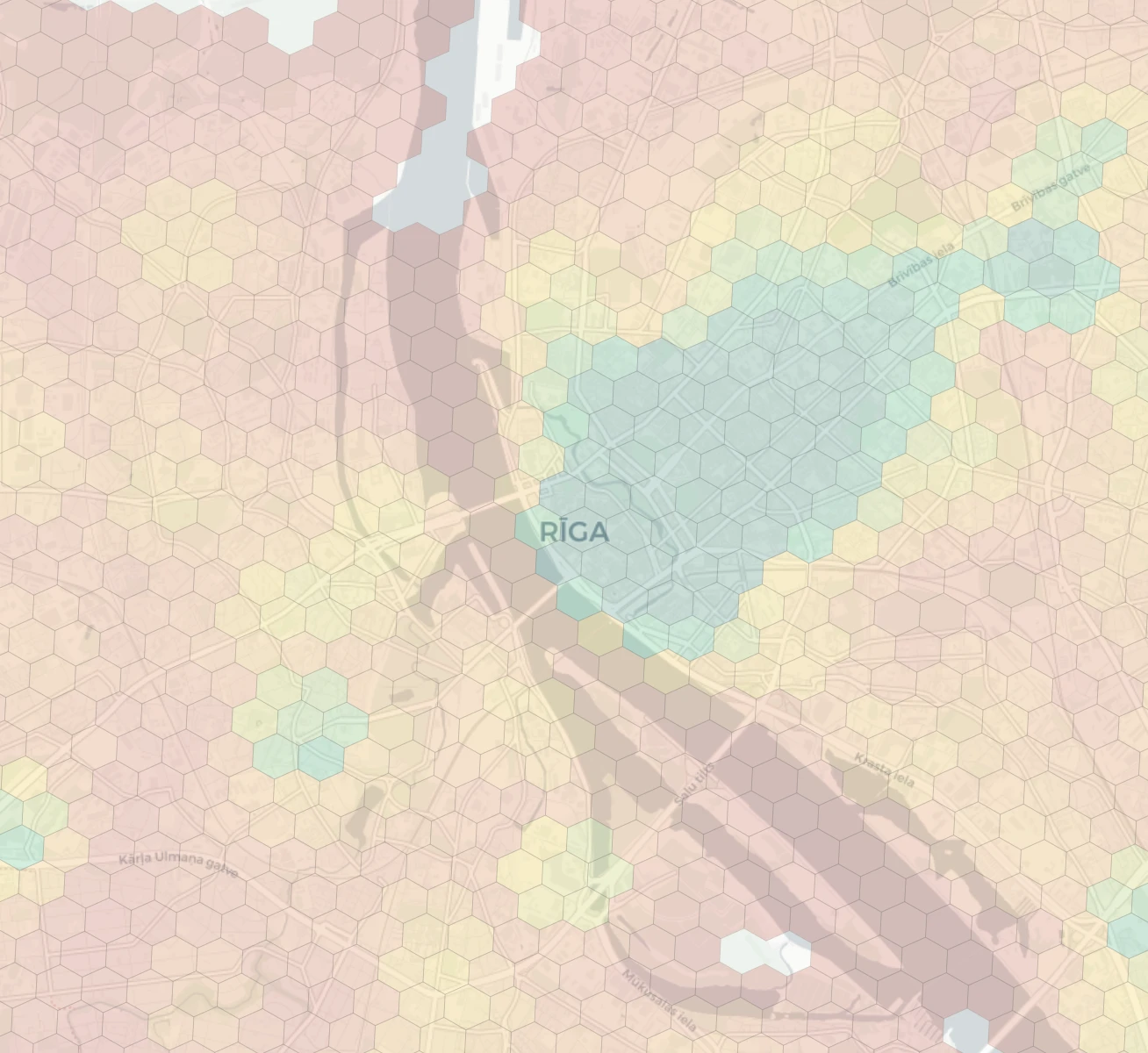

Good to Know
Riga has one of the densest collections of Art Nouveau architecture in Europe -- entire streets in the Quiet Centre are jaw-dropping.
The Central Market occupies five former Zeppelin hangars and is where locals do their actual grocery shopping, not just tourists browsing.
A monthly transit pass covering all buses, trams, and trolleybuses costs a fraction of what you'd pay in Western European capitals.
Jūrmala beach is 25 minutes away by train -- locals treat it as their summer living room from May through September.
Latvian is the working language of bureaucracy and daily life, so even basic phrases go a long way with locals.
Where to Live in Riga
**Old Town (Vecrīga)** is compact and stunning -- medieval churches, cobblestone lanes, and the Dome Cathedral. Living here means tourist crowds by day but magical atmosphere by night. Restaurants and bars are plentiful but pricier. Best for newcomers who want to be in the absolute center of things.
**Āgenskalns** sits across the river and feels like a different city -- calmer, greener, with a strong local identity. The renovated Āgenskalns Market is a community anchor. Beautiful wooden architecture lines the residential streets. Best for families and anyone wanting authentic neighborhood life at lower rents.
**Mežaparks** is Riga's garden suburb, built around a vast forested park with a lake, zoo, and the Great Open-Air Stage. Houses here have gardens, the air smells like pine, and you're still connected to the center by tram. Best for families and nature lovers.
**Grīziņkalns** is the up-and-coming neighborhood between the center and Mežaparks. Former industrial buildings are becoming studios and cafes, rents are affordable, and the community is young and creative. Best for budget-conscious newcomers and creatives looking for the next thing.
Top Neighborhoods by the Numbers
Explore Riga by Category
Frequently Asked Questions
How affordable is Riga really?
Very. A nice one-bedroom apartment in the Quiet Centre runs 450 to 700 euros, and outside the center it drops further. A proper meal at a good restaurant costs around 10 to 15 euros. Groceries at Rimi or the Central Market are genuinely cheap. Your money stretches far here.
Is Riga safe?
Yes, remarkably so. The Old Town is safe at all hours, and residential neighborhoods are quiet and secure. Normal urban awareness applies, especially around the train station area late at night, but violent crime is very rare. Most residents walk or cycle without a second thought.
What's winter actually like?
Cold and dark -- temperatures drop to minus 10 or 15 regularly, and daylight is scarce in December and January. But the city handles it well: buildings are well-heated, streets are cleared, and the frozen landscapes are genuinely beautiful. Invest in a proper coat and good boots, and you'll adapt faster than you think.
Data from OpenStreetMap contributors, licensed under ODbL. Scores computed across 22 categories using H3 hexagonal grid analysis. Last updated: 2026-04-25.