
Good to Know
The Tri-City (Trojmiasto) of Gdansk, Sopot, and Gdynia functions as one connected urban area -- the SKM commuter rail links all three, and many residents live in one and work in another.
Sopot's beach and pier are where the Tri-City goes on summer evenings, turning into one long seaside social event from June through August.
Polish pierogi, zurek, and smoked fish from the Baltic coast aren't just tourist food -- they're genuinely what locals eat, and the market halls are the best place to find them.
The Oliwa district has one of the most beautiful parks in Poland, anchored by a cathedral famous for its organ concerts -- it's a real neighborhood, not a tourist attraction.
English proficiency among young Poles is excellent, but learning basic Polish dramatically changes your experience and earns genuine warmth from locals.
Where to Live in Gdansk
Oliwa, in the northern part of Gdansk, offers a completely different pace -- tree-lined streets, the magnificent Oliwa Park with its botanical gardens, and proximity to the beach and the Tri-City Landscape Park for hiking. The cathedral's organ concerts are a genuine local tradition, not just for tourists. It's quiet, green, and family-friendly, with a small but charming main street. Best for families and nature lovers.
Old Town and Main Town (Glowne Miasto) are gorgeous to live in if you can look past the tourist foot traffic during the day. The reconstructed merchant houses along Dluga Street and the Motlawa riverfront are extraordinary. Evenings and off-season, the area is genuinely peaceful. Apartments in the historic buildings are atmospheric but can be drafty in winter. Best for those who want to live inside history.
Jasien and Chelm are newer residential districts in the south with modern apartment blocks, good supermarkets, and tram connections to the center. They lack the charm of older neighborhoods but offer affordable, spacious, well-insulated apartments -- a real consideration given Baltic winters. Young families and first-time buyers cluster here. Best for families seeking modern, affordable housing.
Nowy Port is Gdansk's most adventurous choice -- a former working-class port district that's being slowly revitalized. The Wisloujscie fortress, the beach at Westerplatte, and the raw port atmosphere give it genuine character. It's still rough in places but artists and entrepreneurs are moving in, and prices are the lowest in central Gdansk. Best for adventurous types and creatives willing to pioneer.
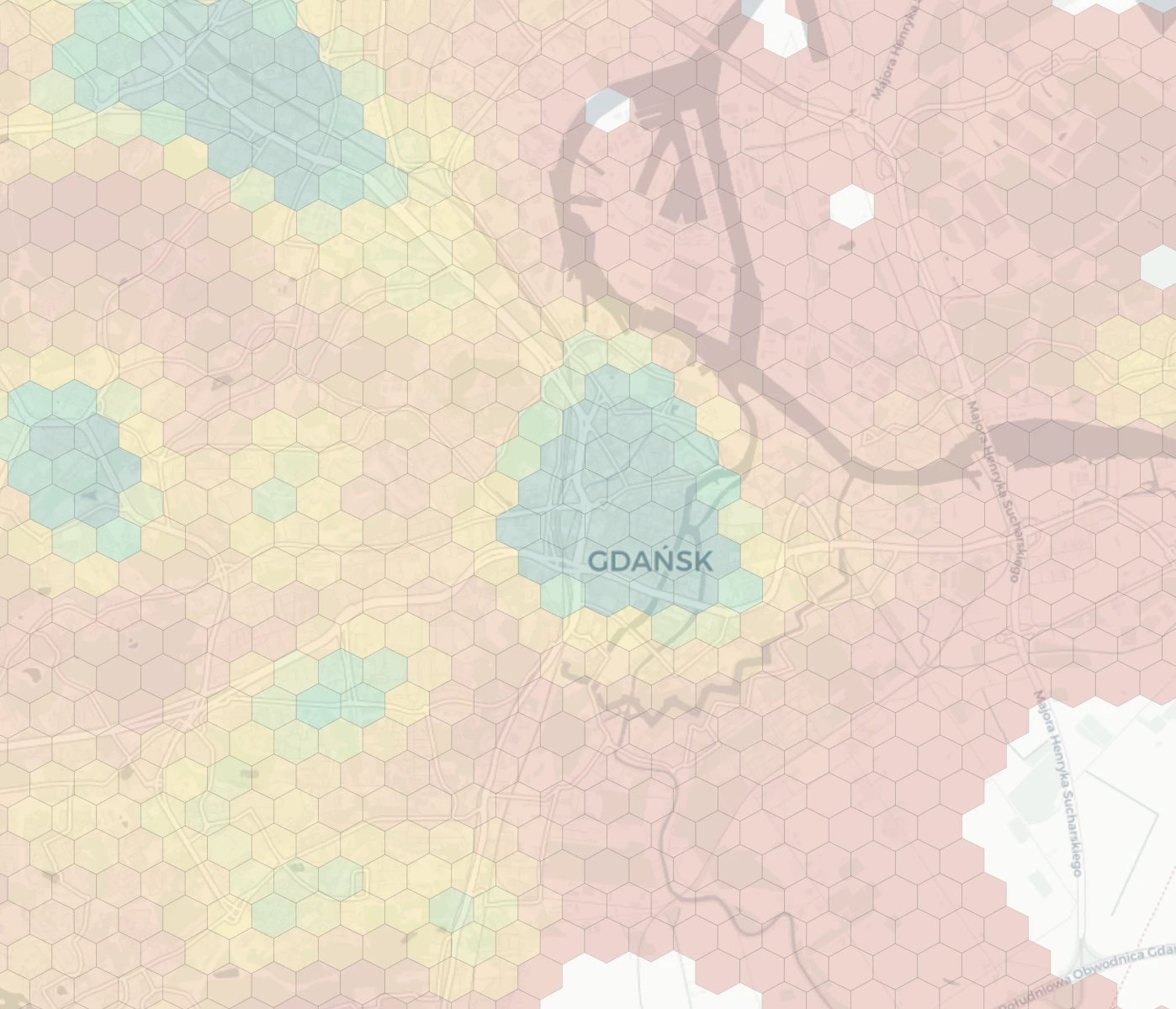
Top Neighborhoods by the Numbers
Explore Gdansk by Category
Frequently Asked Questions
Is Gdansk too cold in winter?
It's cold but manageable -- typical winter days hover around minus 2 to plus 3 degrees, with occasional dips lower. The Baltic wind is the real challenge, making it feel colder than the thermometer says. But buildings are well-insulated and heated, indoor life is cozy, and the winter light on snow along the Motlawa is genuinely beautiful. It's not Siberia -- a good coat and boots are all you need.
Can I work in English in Gdansk?
Yes, increasingly so. The shared services and IT sectors operate largely in English, and international companies like Intel, Amazon, and various BPO centers have offices in the Tri-City area. For everyday life, English works in restaurants and shops -- young Poles speak it well. But for deeper integration and bureaucratic tasks, Polish makes a big difference.
Is the beach actually usable or is it too cold?
From June through September, the Baltic beaches are wonderful -- water temperatures reach around 18-20 degrees in a good summer, which is refreshing rather than warm. The beaches themselves are wide, sandy, and surprisingly uncrowded outside Sopot's main strip. Locals swim, kiteboard, and beach-walk year-round. Even winter beach walks in the crisp air are a Tri-City tradition.
Data from OpenStreetMap contributors, licensed under ODbL. Scores computed across 22 categories using H3 hexagonal grid analysis. Last updated: 2026-04-25.