Top 5 Neighborhoods for Dining
Dining in Gdansk
The Long Market area in the Main Town is tourist-central, but a few places justify eating amid the rebuilt merchant houses. Restauracja Pod Lososiem on Szeroka Street has been serving smoked salmon and goldwasser (the local gold-flaked liqueur) since 1598 -- or at least since its reconstruction after the war. For something less formal, Pierogarnia Mandu on Elzbieta Street serves pierogi with fillings that range from traditional (ruskie with potato and cheese) to inventive (duck with plum).
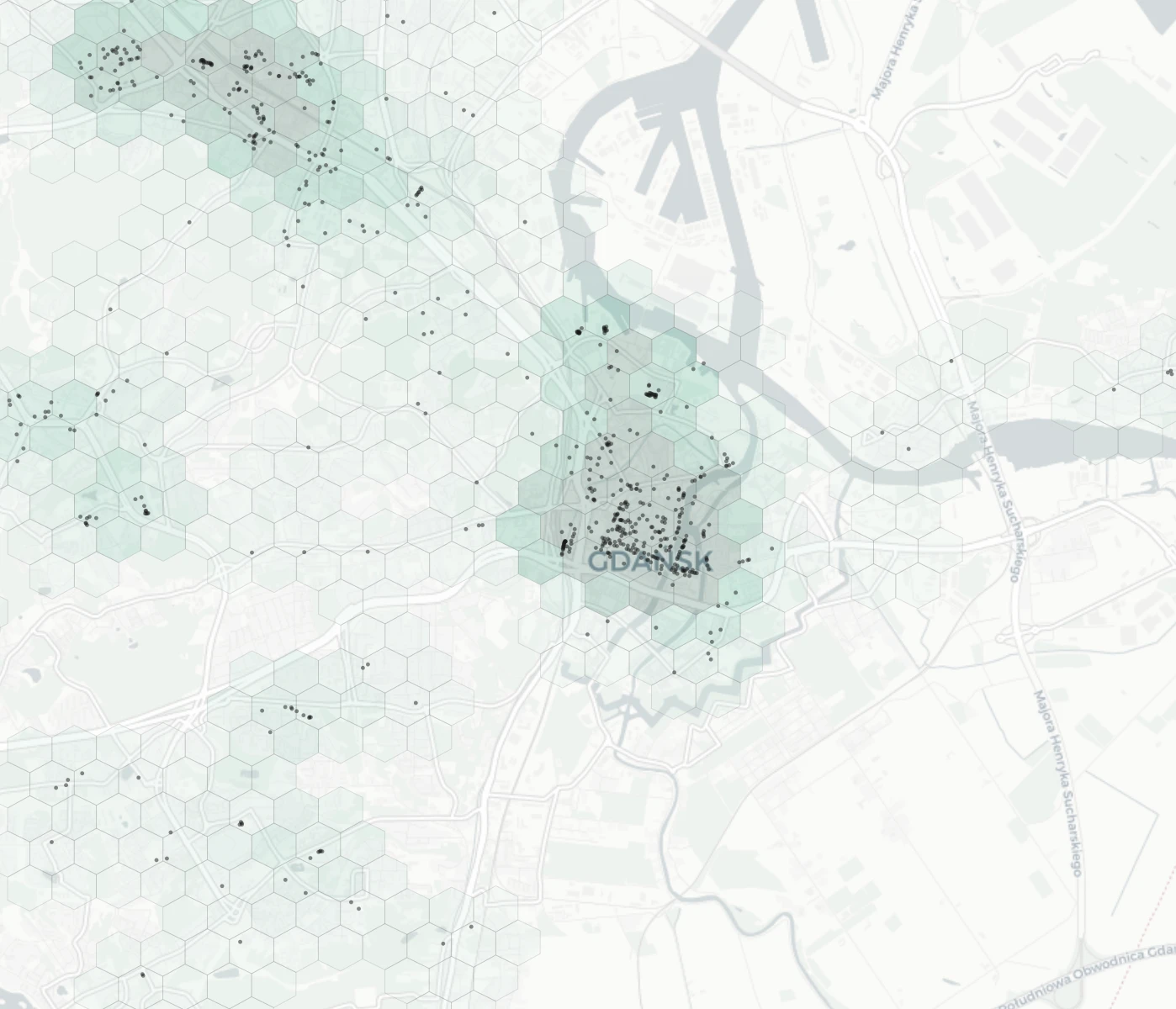
The real dining discoveries are slightly outside the tourist core. Wrzeszcz, the neighborhood a short tram ride southwest, has become Gdansk's foodie district. Miszka on Wajdeloty Street does modern Polish cooking that surprises and delights, and the surrounding streets have wine bars, ramen shops, and bakeries. The Hala Targowa Wrzeszcz market hall has food stalls for casual lunching.
Oliwa, the leafy northern district famous for its cathedral, has excellent restaurants in a quieter setting. Filharmonia on Oliwska serves refined Polish cuisine, and the area's green streets are pleasant for post-dinner walks through the park toward the cathedral.
For seafood, the waterfront areas are essential. Fresh smoked fish -- particularly flunder (flounder) and węgorz (eel) -- is sold from stalls along the Motlawa river and at the Hala Targowa central market on Dominikasnka. Fish bar Treska on Szeroka has excellent fried fish plates at modest prices.
The Kashubian culinary tradition, specific to the region around Gdansk, features dishes like czernina (duck blood soup) and kartacze (large potato dumplings). These appear on traditional restaurant menus, particularly in the villages south of the city during food festivals.
Seasonal notes: Baltic herring is best in autumn. Summer brings bilberries and chanterelles from the Kashubian forests. The Christmas market season from late November fills the Long Market with gingerbread, mulled wine, and roasted almonds.