Good to Know
Gothenburg is Sweden's culinary capital -- more Michelin-starred restaurants per capita and the freshest seafood in Scandinavia.
The southern archipelago is car-free and reachable by ferry in 30 minutes, making island-hopping a regular weekend activity.
Avenyn (Kungsportsavenyen) is the main boulevard, but locals avoid it -- the real social life is in Haga, Linne, and Majorna.
The rain is constant but rarely heavy -- it's more of a persistent drizzle that Gothenburgers simply ignore.
Liseberg amusement park isn't just for tourists -- locals go for the Christmas market and summer concerts.
Where to Live in Gothenburg
Linne (Linneplatsen area) is Gothenburg's dining and nightlife center. Linnegatan is packed with restaurants ranging from neighborhood Italian to high-end seafood and innovative tasting menus. The Tredje Langgatan strip adds a more casual, beer-focused nightlife scene. It's lively, central, and has a good mix of students, professionals, and longtime residents who've watched the area evolve. Best for foodies and young professionals.
Majorna is where Gothenburg's working-class soul lives. The streets around Mariaplan have independent bookshops, second-hand stores, and an unpretentious cafe scene that runs on strong coffee and cinnamon buns. It borders Slottsskogen park and has a strong community feel -- neighbors actually know each other here. The local Saluhall food market is worth a regular visit. Best for creatives, families, and anyone who values authenticity.
Vasastaden, east of the avenue, offers beautiful stone apartment buildings, proximity to the university, and a residential calm that feels distinctly Scandinavian. Good specialty coffee shops, independent bookstores, and the cultural life around Valand add intellectual energy without noise. The tree-lined streets are particularly beautiful in autumn. Best for students and professionals.
Lorensberg and Johanneberg, further east toward Chalmers University, combine leafy residential streets with good tram connections and the magnificent Botanical Garden nearby -- one of the best in Northern Europe. The area has a quieter, more suburban feel with easy access to both nature and the city center. Best for families and academics.
Top Neighborhoods by the Numbers
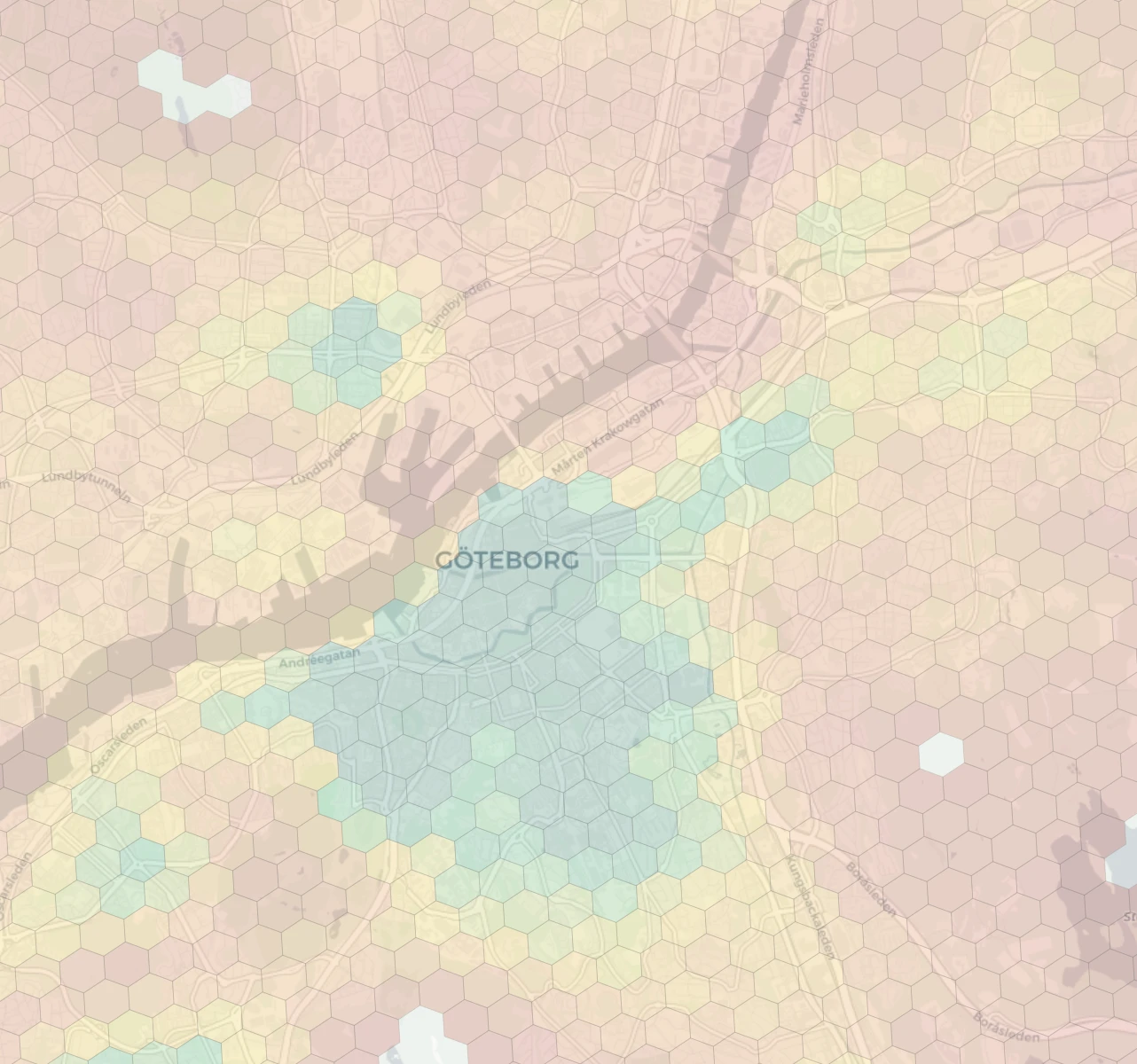
Explore Gothenburg by Category
Frequently Asked Questions
How does Gothenburg compare to Stockholm for newcomers?
Most people find Gothenburg easier to settle into. The city is smaller, the people are warmer, and the pace is less intense. Stockholm has more career opportunities and cultural institutions, but Gothenburg offers a better everyday quality of life for most people. The rivalry is real but good-natured.
Is the rain really that bad?
It rains often but it's manageable. Most days are light drizzle, not downpours. Gothenburgers dress for it and go about their lives. A waterproof jacket, good boots, and layers are your core wardrobe. And when the sun does come out -- especially in the archipelago -- it's glorious enough to make the grey days worth it.
What's the cost of living like?
High by European standards, but lower than Stockholm. Housing is the biggest expense -- the queue system for first-hand rental contracts means many people sublet or buy. Groceries are pricey but quality is excellent. Socializing tends to center on home gatherings and fika, which keeps costs down compared to going-out-heavy cities.
Data from OpenStreetMap contributors, licensed under ODbL. Scores computed across 22 categories using H3 hexagonal grid analysis. Last updated: 2026-04-25.