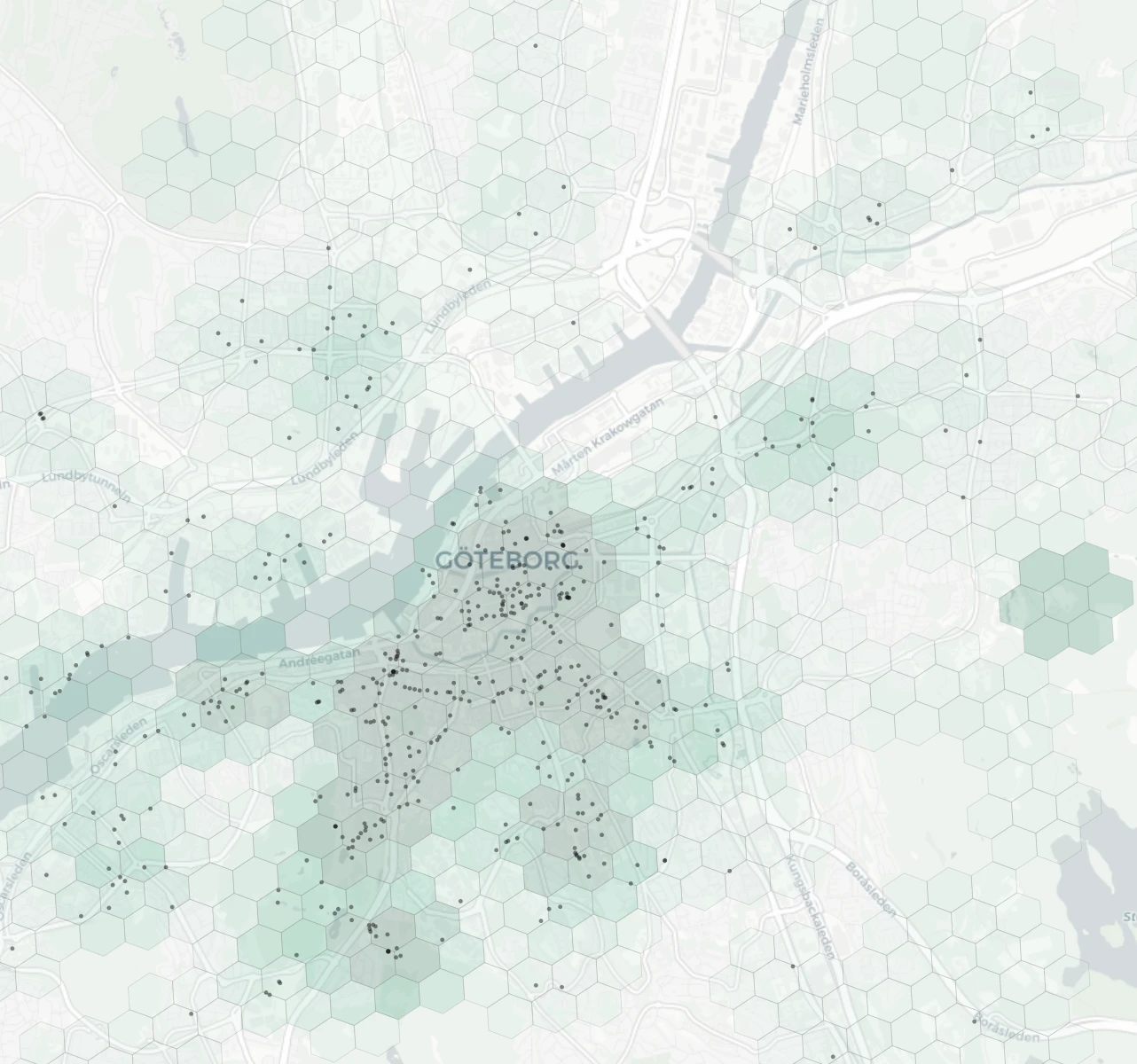
Top 5 Neighborhoods for Cafes & Culture
Cafes & Culture in Gothenburg
Haga is the spiritual home of Gothenburg fika. The cafes along Haga Nygata serve enormous kanelbullar, cinnamon buns, in spaces that feel like warm living rooms. The tradition here is to sit for a long time, watch the street through steamed-up windows, and order a second coffee without guilt. Café Husaren is famous for its oversized buns, while the smaller cafes further along the street have their own loyal followings.
For specialty coffee, Gothenburg has a strong and growing scene. Da Matteo on Magasinsgatan roasts its own beans and runs several locations, each with a different character. Kafé Magasinet in a converted warehouse near the canal serves excellent coffee in one of the city's most atmospheric spaces. The coffee culture here is knowledgeable but approachable, more interested in sharing good beans than in gatekeeping.
The Gothenburg Museum of Art at Götaplatsen houses an impressive Scandinavian collection alongside international works, including a strong selection of Nordic artists and the Hasselblad photography center. The museum's position at the top of Avenyn, flanked by the theatre and concert hall, makes Götaplatsen the city's cultural focal point.
Röhsska Museum of Design and Craft, the only design museum in Sweden, covers everything from ancient Chinese pottery to contemporary Swedish furniture design. It provides essential context for understanding why Scandinavian design looks and feels the way it does.
The Gothenburg Opera on the harbor is architecturally striking and presents opera, musical theatre, and ballet. The Gothenburg Symphony Orchestra, resident at the Konserthuset on Götaplatsen, is one of Scandinavia's finest and performs regularly through the season.
For contemporary art, Göteborgs Konsthall on Götaplatsen hosts temporary exhibitions that complement the permanent collection across the square. The galleries along Magasinsgatan and in the Linné district show emerging Swedish and international artists.
The live music scene deserves special mention in any cultural context. Gothenburg has produced an extraordinary number of musicians and bands relative to its size, and the city's venues from Pustervik to Nefertiti to the smaller bar stages maintain a live music culture that is central to the city's identity. The Gothenburg Film Festival in late January is Scandinavia's largest, screening hundreds of films across the city and turning a dark Swedish winter week into a cultural highlight.