Good to Know
Albanian coffee culture is exceptional and deeply social -- espresso costs under a euro, and spending two hours at a café table is completely normal and expected.
The Blloku district was a forbidden zone during communism where only Enver Hoxha and party leaders could live -- today it's the city's most vibrant social hub, full of irony and energy.
Albania's flat tax rate and growing digital nomad visa programme have made Tirana increasingly attractive for remote workers and small business owners.
The New Bazaar (Pazari i Ri) has been beautifully restored and is the best place for fresh produce, meat, spices, and a genuine slice of daily Albanian life.
Traffic in Tirana is genuinely challenging -- drivers are aggressive, pedestrian infrastructure is improving but inconsistent, and rush hours can be intense.
Where to Live in Tirana
**New Bazaar (Pazari i Ri)** area has undergone a beautiful restoration, with the market building itself surrounded by colourful renovated Ottoman-era buildings. Living here puts you at the heart of Tirana's food culture and daily commerce. The area retains genuine local character. Best for foodies and those who want to experience the most authentic side of the city.
**Liqeni i Thatë (Dry Lake)** surrounds the Artificial Lake park, Tirana's main green space. Morning joggers, families, and café-goers create a relaxed atmosphere that contrasts with the city centre bustle. The area has seen significant new development. Best for families and fitness enthusiasts.
**Komuna e Parisit** is an increasingly popular residential area east of the centre with tree-lined boulevards and a growing number of quality cafes and restaurants. It's quieter than Blloku but still walkable to the centre. Best for couples and professionals who want calm without isolation.
**Sauk** sits at the base of the hills toward Dajti mountain and offers more space, newer construction, and proximity to hiking trails. The trade-off is distance from the centre, though shared rides are cheap and abundant. Best for nature lovers and families who want modern apartments with mountain access.
Top Neighborhoods by the Numbers
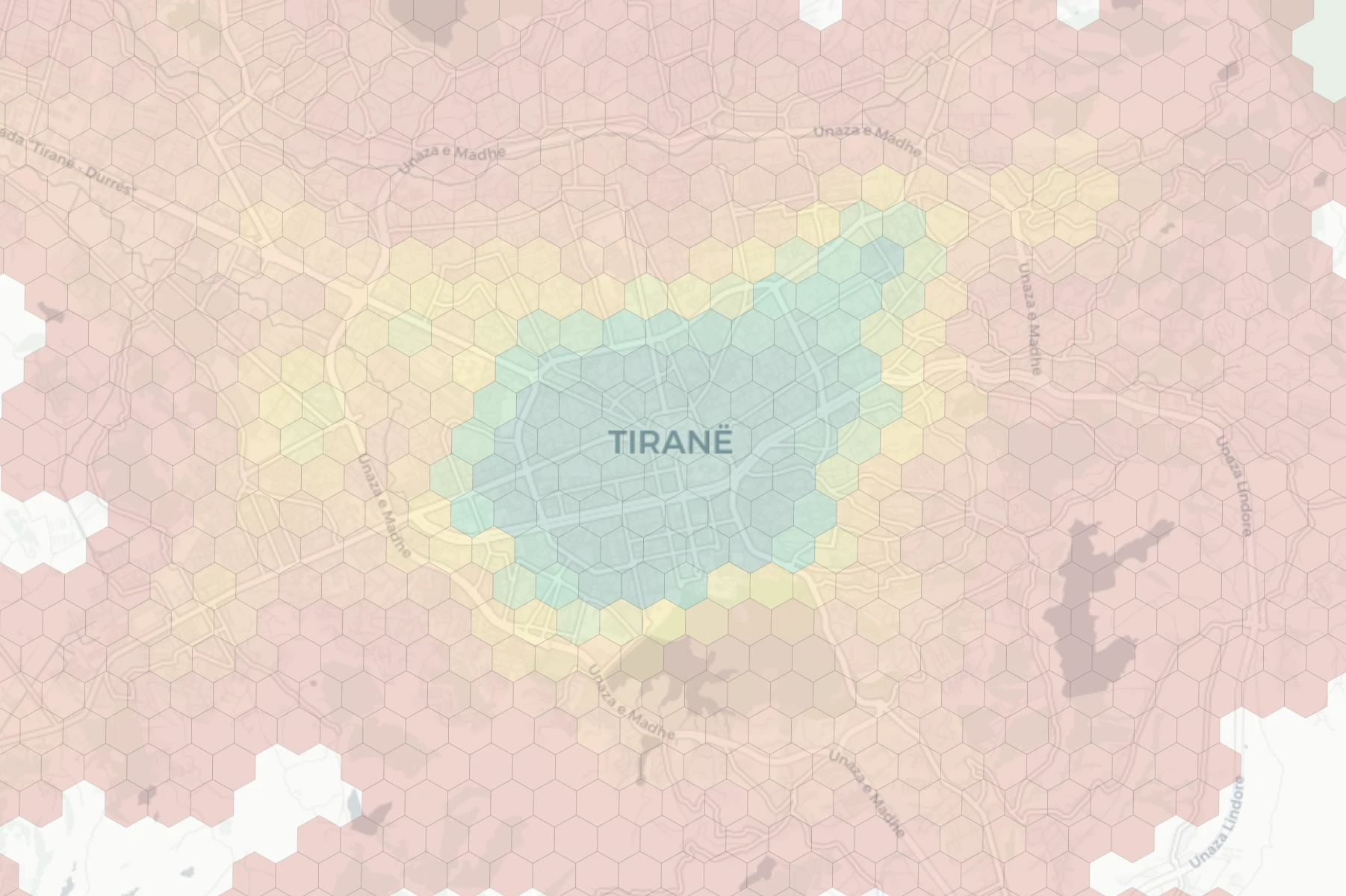
Explore Tirana by Category
Frequently Asked Questions
Is Tirana safe?
Very safe for a capital city. Street crime is rare, and Tirana is notably safe for walking at night, even in the centre. Albanian culture places enormous value on hospitality toward guests, and this extends to the general atmosphere. The main safety concerns are traffic -- cross streets with great care -- and occasional stray dogs, which are mostly harmless but can be startling.
How do I handle Albanian bureaucracy as a foreigner?
Patience is essential. Official processes can be slow, paperwork requirements can change without notice, and you'll often need someone who speaks Albanian to navigate government offices. Having a local contact or fixer for administrative tasks is highly recommended for your first few months. The digital nomad community has built good networks for sharing current information and reliable contacts.
Is the infrastructure reliable?
It's improving rapidly but not yet at Western European levels. Internet is generally good and affordable, power outages are rare in the centre now, and new roads and buildings are going up constantly. Water quality varies -- most locals drink filtered or bottled water. The main frustration is traffic and the ongoing construction that disrupts streets regularly. Think of it as a city being rebuilt in real-time.
Data from OpenStreetMap contributors, licensed under ODbL. Scores computed across 22 categories using H3 hexagonal grid analysis. Last updated: 2026-04-25.