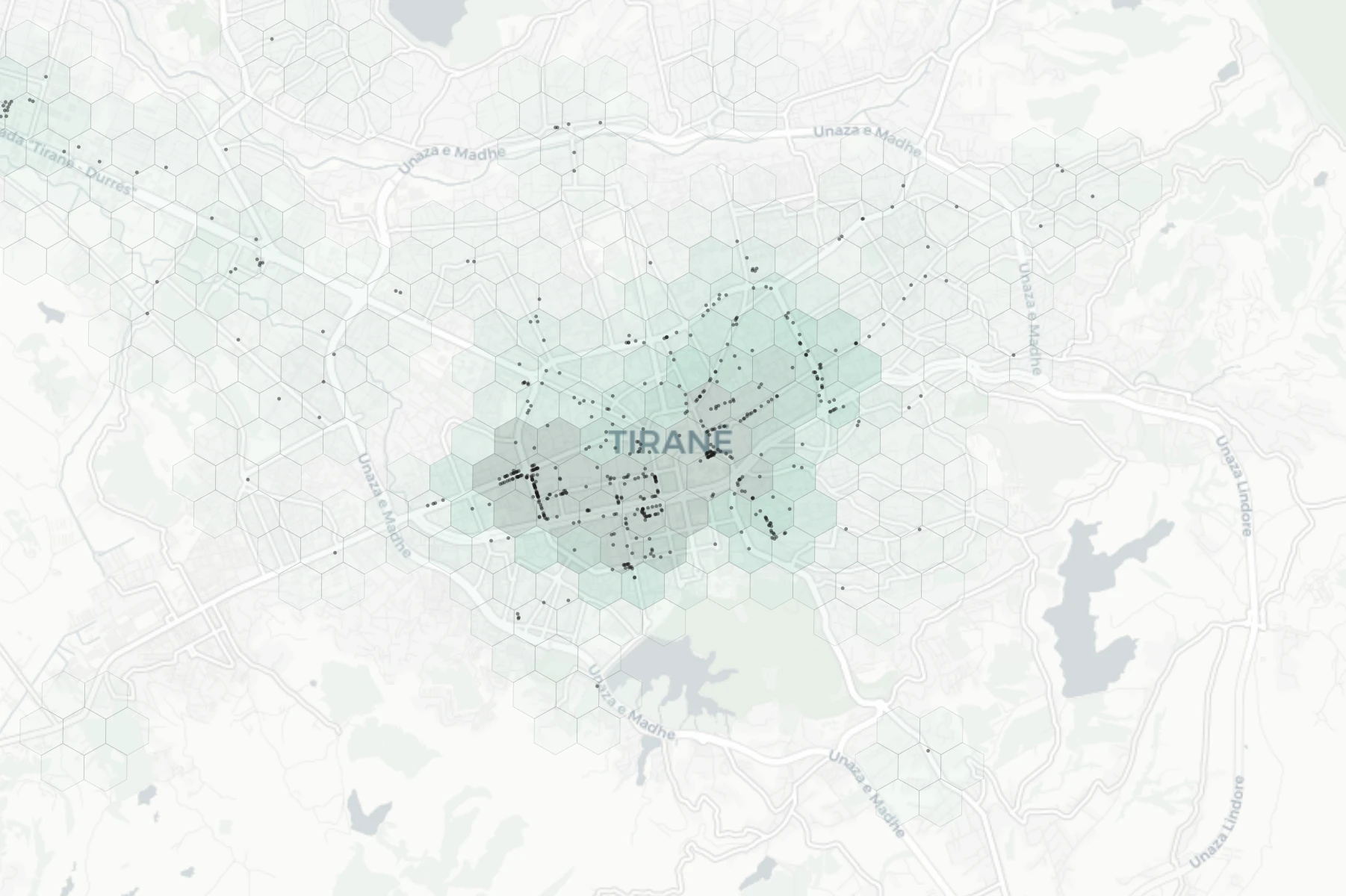
Top 5 Neighborhoods for Shopping
Shopping in Tirana
Pazari i Ri -- the New Bazaar -- is Tirana's most atmospheric shopping destination. Beautifully restored with colorful facades, the market and its surrounding streets sell fresh produce, meat, fish, spices, olives, cheese, honey, and household goods. The quality of the produce is remarkable -- Albanian agriculture is largely small-scale and organic by default, and the tomatoes, peppers, fruits, and herbs are intensely flavorful. The surrounding shops include traditional hardware stores, fabric shops, and spice merchants that feel like they belong to another century.
Blloku has the city's concentration of contemporary retail. Albanian fashion designers, boutiques carrying Turkish and Italian brands, and concept stores have colonized the ground floors of the district's villas and new buildings. Prices for clothing and accessories are significantly lower than in Western Europe, and the style tends toward Mediterranean chic with a distinctly Balkan edge.
Rruga Murat Toptani, the pedestrian street leading to the castle, hosts a growing number of artisan and souvenir shops. Albanian handicrafts -- filigree silver jewelry from Shkodra, woven textiles, carved wood, and traditional felt products -- make distinctive purchases. The quality of Albanian filigree silver work is exceptional and largely unknown outside the country.
For everyday practical shopping, the Toptani Shopping Center near Skanderbeg Square and the newer East Gate mall on the city's outskirts provide mainstream retail options.
The antique and vintage scene is fascinating. Shops near the Bazaar and in the old neighborhoods sell communist-era memorabilia, vintage Albanian textiles, Ottoman-period metalwork, and curiosities that reflect the country's layered history.
Practical tips: Albanian olive oil, mountain honey, raki, and herbal teas make excellent purchases -- the quality is superb and prices are a fraction of similar products marketed in Western Europe. The Bazaar is best visited in the morning when produce is freshest. Haggling is not common in most shops but may be expected at the antique stores and flea market. Albanian lek is the currency, but many shops in Blloku accept euros. The pace of change is rapid -- new shops and restaurants open constantly, and asking locals for current recommendations yields the best results.