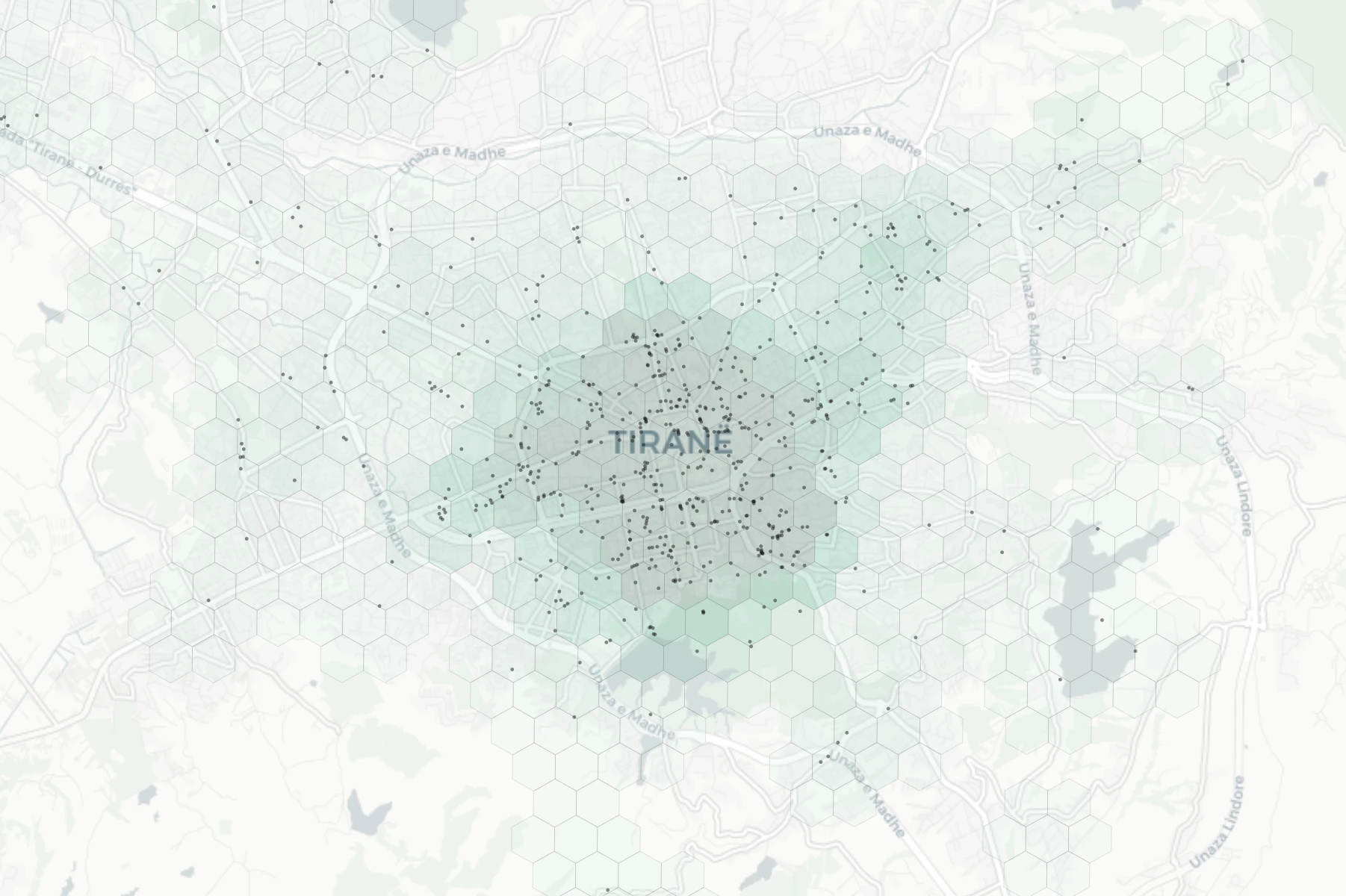
Top 5 Neighborhoods for Cafes & Culture
Cafes & Culture in Tirana
Blloku's cafe terraces are the most visible expression of this culture. From morning through late evening, the tables beneath the plane trees fill with people drinking macchiato -- the Albanian default coffee order -- and conducting the full range of human social activity. The concentration of cafes along Rruga Pjeter Bogdani and Rruga Ismail Qemali is extraordinary, and each has its own character and clientele. The quality of espresso-based coffee in Tirana is surprisingly high, a legacy of both the Italian influence and the Albanian commitment to the coffee ritual.
The National Gallery of Arts on Bulevardi Dëshmorët e Kombit presents Albanian art from the medieval period through contemporary work, including fascinating examples of socialist realism that document a unique period in European art history. The gallery is housed in a purpose-built modernist structure, and the collection provides essential context for understanding Albania's cultural journey.
Bunk'Art 1 and Bunk'Art 2 are Tirana's most powerful cultural experiences. These enormous Cold War bunkers -- one on the outskirts near Dajti mountain, one in the city center -- have been converted into museums documenting Albania's communist period and the secret police apparatus. The installations are immersive and moving, and the experience of descending into these underground complexes adds a visceral dimension to the historical narrative.
The National Theatre and the Opera and Ballet Theatre on Skanderbeg Square present performances at remarkably accessible prices. The cultural program has expanded significantly, with international collaborations and contemporary Albanian works appearing alongside classical repertoire.
Specialty coffee has begun to appear alongside the traditional macchiato culture. Newer cafes in Blloku and near the university bring third-wave roasting and brewing methods, creating an interesting tension between the quick-shot Italian tradition and the slower, more contemplative approach.
The area around the former Pyramid and the newly developing riverside walk is becoming a cultural corridor, with street art, pop-up exhibitions, and cultural events that reflect Tirana's restless creative energy. The city's famous painted building facades -- initiated by former mayor Edi Rama, himself an artist -- turned the entire urban landscape into a gallery, and that spirit of using art to transform public space continues to define Tirana's cultural identity.