Good to Know
The Saturday morning spica -- a social stroll through the city center with coffee -- is a genuine weekly tradition, not a tourist gimmick.
Zagreb's tram network covers the city center well, and most central neighborhoods are walkable.
Dolac Market, perched above Ban Jelacic Square, is where locals buy fresh produce daily -- arrive before noon for the best selection.
The Adriatic coast is roughly two hours by car, making Zagreb a great base for weekend beach trips.
Croatia uses the euro now, which simplifies finances for EU expats considerably.
Where to Live in Zagreb
Donji Grad (Lower Town) is where most of the action is. The grid of streets between the main square and the train station holds most of Zagreb's best restaurants, bars, and shops. Tkalciceva street is the social spine -- a continuous stretch of outdoor terraces that fills every afternoon. The green horseshoe of interconnected parks designed by Lenuci gives the whole area a gracious, tree-lined feel. Best for young professionals who want everything walkable.
Maksimir, near the park of the same name, offers green space and a calmer pace. The park itself is vast -- forests, lakes, and running paths that feel like countryside within the city. The neighborhood has a genuine residential feel with local bakeries, a farmers' market, and good tram connections to the center in under fifteen minutes. Best for families and nature lovers.
Tresnjevka, southwest of the center, is a genuine working-class neighborhood that's becoming increasingly popular with younger residents drawn by the lower rents and authentic neighborhood atmosphere. The Tresnjevka market rivals Dolac for fresh food, and the streets around it have a growing number of independent cafes and bistros. Best for budget-conscious newcomers.
Trnje and Cvjetno Naselje, south of the center near the Sava river, offer newer housing stock and proximity to the growing business district along the riverbank. Bundek Lake park is a local gathering spot for swimming in summer and walking year-round, and the area connects easily to the center by tram. Best for professionals and couples.
Top Neighborhoods by the Numbers
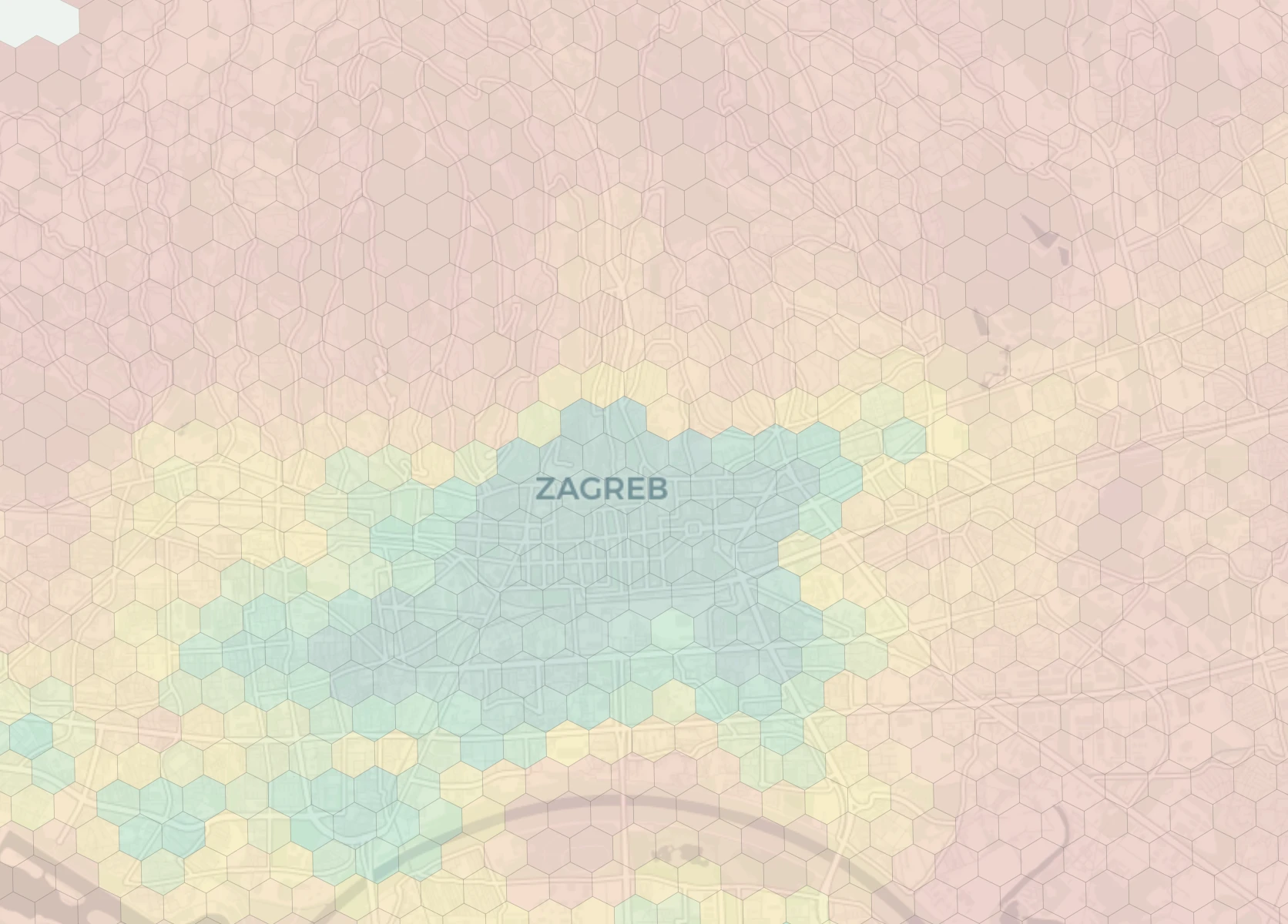
Explore Zagreb by Category
Frequently Asked Questions
Is Zagreb a good base for exploring the region?
Absolutely. The coast is a short drive or bus ride away. Ljubljana is under two hours, Budapest around three and a half. Weekend trips to Plitvice Lakes, Istria, or the islands are easy and affordable. Zagreb's central position in the region is one of its biggest lifestyle perks.
How's the job market for foreigners?
Growing but still limited compared to larger capitals. IT, tech, and remote work are the strongest options. The startup scene is small but active, and several international companies have offices here. Learning Croatian helps enormously for local opportunities, though many younger Croatians speak excellent English.
What's the food scene like?
Traditional Croatian food is hearty -- structure (sarma, cevapi, roast meats) -- but the city's restaurant scene has modernized rapidly. You'll find excellent natural wine bars, creative bistros, and some of the best pastry shops in the region. The market culture means ingredients are fresh and seasonal.
Data from OpenStreetMap contributors, licensed under ODbL. Scores computed across 22 categories using H3 hexagonal grid analysis. Last updated: 2026-04-25.