Good to Know
Vienna is roughly an hour away by train, making it feasible to enjoy both cities regularly.
The Small Carpathian Wine Route, starting just outside the city, produces excellent whites and is a local treasure.
Bratislava's Old Town is car-free and genuinely walkable -- most daily errands can be done on foot.
The Danube riverbank is being redeveloped with new promenades, parks, and residential areas.
Slovakia's flat income tax and low cost of living make it attractive for freelancers and remote workers.
Where to Live in Bratislava
Ruzinov is Bratislava's largest residential district and the most practical for everyday life. Shopping centers, parks including the popular Strkovec lake with its jogging path, and good public transport connections make it a comfortable base. The area around Bajkalska and Nivy has seen significant modern development, including a striking new bus station and market hall. It's where much of the city's young professional class actually lives. Best for families and professionals.
Karlova Ves, near the Danube and the edge of the forest park, offers a green and quieter lifestyle. Popular with university staff and families, it has a village-like feel with local shops, a good school catchment, and easy access to hiking in the Small Carpathians -- you can be on a forest trail within minutes. Best for nature lovers and families.
Petrzalka, the massive housing estate across the Danube, has a reputation from its communist-era past, but it's increasingly livable -- with some of the lowest rents in the city, the new tram connection to the center, and the Drazdiak lake for summer swimming and ice skating in winter. The wide green spaces between blocks give it more breathing room than you might expect. Best for budget-conscious newcomers.
Devinska Nova Ves, at the western edge where the Morava meets the Danube, offers a small-town feel with direct train access to both the city center and Vienna. Surrounded by nature reserves and cycling paths along the river, it's perfect for those who prioritize green space over nightlife. The Devinska Kobyla nature reserve is right at your doorstep. Best for families and outdoor enthusiasts.
Top Neighborhoods by the Numbers
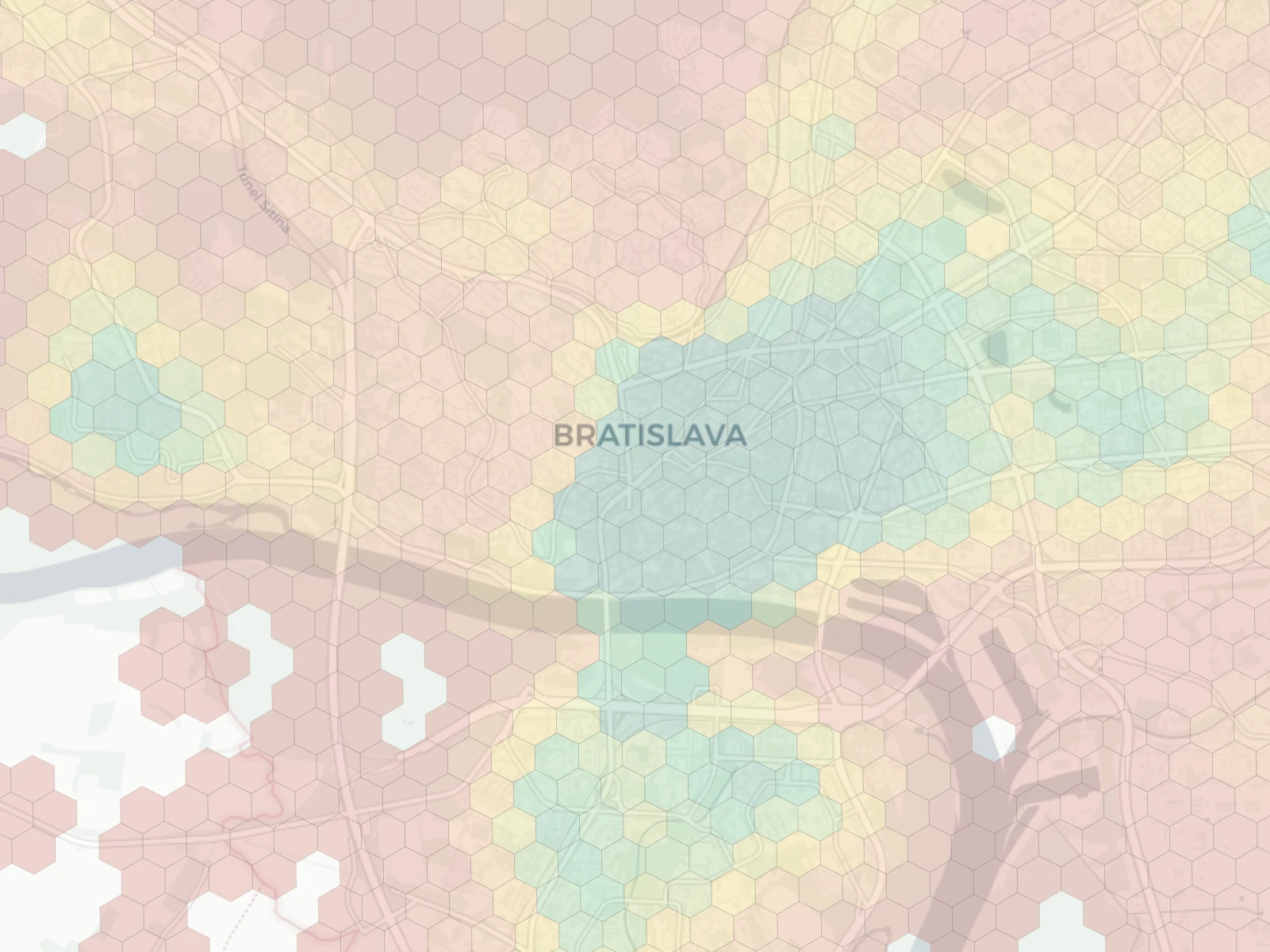
Explore Bratislava by Category
Frequently Asked Questions
Is Bratislava too small to live in long-term?
That depends on what you need. The city has about half a million people, and the cultural and dining options are growing each year. Some people find it limiting after a couple of years. But Vienna is an hour away for big concerts, museums, and shopping. Many residents treat the two cities as a combined living area.
Do I need to learn Slovak?
For daily life, yes -- especially outside the Old Town and business districts. Younger Slovaks often speak English well, but shops, offices, and healthcare typically operate in Slovak. The language is Slavic, so it's challenging, but Czechs and Slovaks understand each other, which doubles your language community.
How does the cost of living compare?
Significantly lower than Vienna, somewhat lower than Prague. Rent for a central one-bedroom is very affordable by European capital standards. Groceries and dining out are reasonably priced, and local wine is both excellent and cheap. Your euro goes further here than in most eurozone capitals.
Data from OpenStreetMap contributors, licensed under ODbL. Scores computed across 22 categories using H3 hexagonal grid analysis. Last updated: 2026-04-25.