Good to Know
Prague's metro, tram, and bus system runs with almost Swiss precision -- the tram network alone covers over 140 kilometers and operates through the night on weekends.
Czech is one of the hardest Slavic languages for English speakers, but most people under 35 in Prague speak solid English, so daily life is manageable while you learn.
The craft beer scene is extraordinary -- Czechs drink more beer per capita than anyone on earth, and Prague has moved well beyond Pilsner into world-class microbreweries.
Rent has risen sharply since 2019, with central one-bedrooms now around 800 to 1,100 euros, but this still undercuts most Western European capitals.
The city center empties of locals in summer because everyone heads to their country cottages -- this is a deep Czech cultural tradition, not just a holiday.
Where to Live in Prague
Zizkov was Prague's working-class rebel district and still carries some of that scrappy energy, even as it gentrifies. The pubs here are legendary -- cheap, unpretentious, and full of character. The TV Tower with its crawling babies sculpture is wonderfully weird. Streets around Cimburkova and Borivojova have the best mix of old Zizkov grit and new cafes. Best for: budget-conscious newcomers, nightlife lovers, and anyone allergic to polish.
Karlin has undergone the most dramatic transformation in Prague. A decade ago it was flood-damaged and forgotten; now it's the city's most design-forward neighborhood. The Vltava riverfront, Karlinske namesti square, and excellent brunch spots along Krizikova make it feel almost Scandinavian. Tech companies have set up here, bringing a younger professional crowd. Best for: tech workers, design lovers, and young families.
Leten sits above the river with a massive park, a beer garden with the best panoramic view in Prague, and a quiet residential feel. It's close to Holesovice's galleries and markets but calmer. The streets between Letenske namesti and the park are leafy and peaceful. Best for: families and anyone who wants green space minutes from the center.
Holesovice is Prague's art district, anchored by the DOX gallery and the converted Veletrzni Palac. The area around Strossmayerovo namesti has great coffee shops and a Saturday farmers market. It's grittier than Karlin but more interesting, with a mix of galleries, breweries, and Vietnamese restaurants. Best for: creatives, art lovers, and adventurous eaters.
Top Neighborhoods by the Numbers
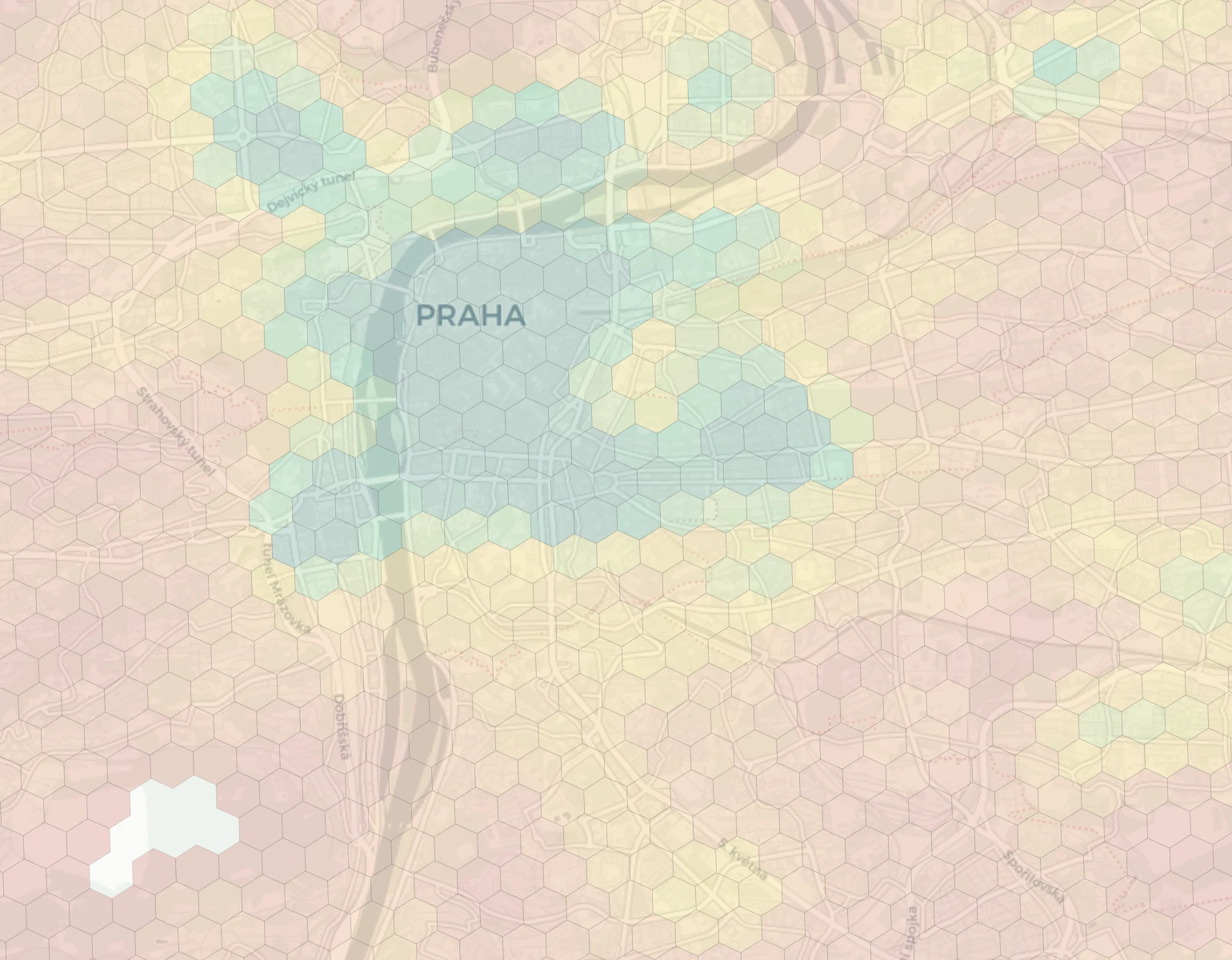
Explore Prague by Category
Frequently Asked Questions
Is Prague still affordable compared to Western Europe?
It's not the bargain it was ten years ago, but yes -- still meaningfully cheaper. A good dinner for two with wine runs about 40 to 60 euros, a monthly transit pass is around 20 euros, and groceries cost roughly 30 to 40 percent less than in Germany or Austria. The biggest expense is rent, which has caught up somewhat in central areas.
How hard is the winter?
December through February is cold, grey, and gets dark by 4pm. Temperatures hover around freezing, occasionally dipping to minus 10. It's not Scandinavian cold, but the greyness gets to people more than the temperature. Having a cozy local pub and a good winter coat makes all the difference.
Do I need to learn Czech to live in Prague?
You can survive without it, especially if you work in an international company. But living here long-term without any Czech means missing out on a lot -- from understanding your neighbors to navigating the post office. Even a basic A2 level changes the experience dramatically, and locals genuinely appreciate the effort.
Data from OpenStreetMap contributors, licensed under ODbL. Scores computed across 22 categories using H3 hexagonal grid analysis. Last updated: 2026-04-25.