Good to Know
Sunday grocery shopping is genuinely impossible -- everything closes, and this catches newcomers off guard every single week until they learn to stock up on Saturday.
Registering your address at the Burgerburo is required within 2 weeks of moving in and you need your landlord's confirmation -- don't skip this or everything else stalls.
The Isar river in summer becomes Munich's living room, with thousands of people swimming, grilling, and sunbathing along the banks through Flaucher and Thalkirchen.
Joining a Sportverein (sports club) is the single best way to build a social life -- it's how Germans make friends and the membership fees are surprisingly low.
The S-Bahn can get you to actual Alpine hiking trailheads within an hour, making Munich possibly the best city in Europe for weekend outdoor access.
Where to Live in Munich
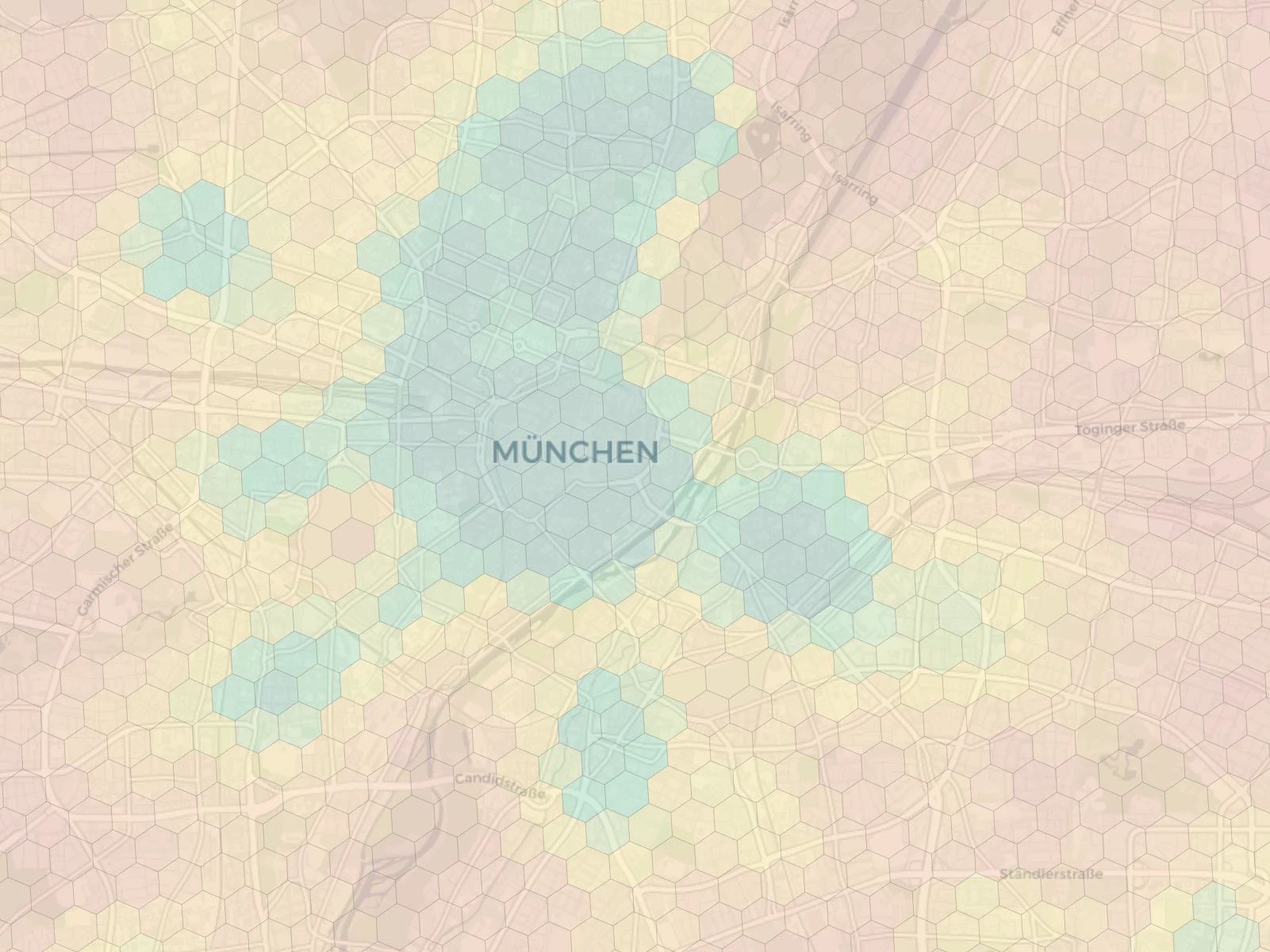
Haidhausen sits across the Isar with a village feel that's earned it the nickname 'French Quarter' for its charming streets around Weissenburger Platz. The Wiener Platz market is a daily gathering spot, and the proximity to the Isar meadows means nature is steps away. It's become expensive but the quality of life is exceptional. Best for: young families, couples, anyone wanting charm with convenience.
Sendling and Westpark have emerged as Munich's best value neighborhoods. The streets around Implerstrasse have excellent Turkish and Asian restaurants, the Grossmarkthalle area is being transformed, and Westpark itself is an underrated green oasis. Good U-Bahn connections keep you central without central prices. Best for: budget-conscious professionals, young couples, foodies.
Schwabing-West retains some of the bohemian spirit that made Schwabing legendary, though much of that has given way to affluence. Elisabethmarkt is a gem of a small market, the Englischer Garten's northern stretches are peaceful, and the neighborhood has a mature, settled feel. Best for: established professionals, older couples, anyone wanting quiet sophistication.
Giesing is Munich's most honest working-class neighborhood -- no pretension, good beer, strong community. Tegernseer Landstrasse has traditional Bavarian pubs alongside newer cafes, and the Giesinger Brau brewery has become a local institution. It's cheaper, grittier, and more characterful than the polished center. Best for: budget-conscious residents, beer lovers, people who prefer authentic over curated.
Top Neighborhoods by the Numbers
Explore Munich by Category
Frequently Asked Questions
How hard is it really to find a flat in Munich?
Hard. Expect to spend 2-3 months searching actively. You'll need payslips, a Schufa credit report, and often a personal letter explaining why you'd be a good tenant. Attending viewings with 30 other people is normal. Start looking before you move and consider a temporary furnished sublet while you search properly.
Can I get by with just English?
For daily survival, mostly yes -- Munich is international and most people in shops and offices speak English. But for making friends, dealing with bureaucracy, and truly settling in, German is essential. The social wall between expats who learn German and those who don't is real and grows over time.
Is Munich boring compared to Berlin?
It's a completely different proposition. Munich doesn't have Berlin's club scene or anarchic energy, but it has beer gardens that fill up on any warm evening, a thriving classical music scene, and outdoor access that Berlin can't touch. It's less about going out and more about living well. Whether that's boring depends entirely on what you want.
Data from OpenStreetMap contributors, licensed under ODbL. Scores computed across 22 categories using H3 hexagonal grid analysis. Last updated: 2026-04-25.