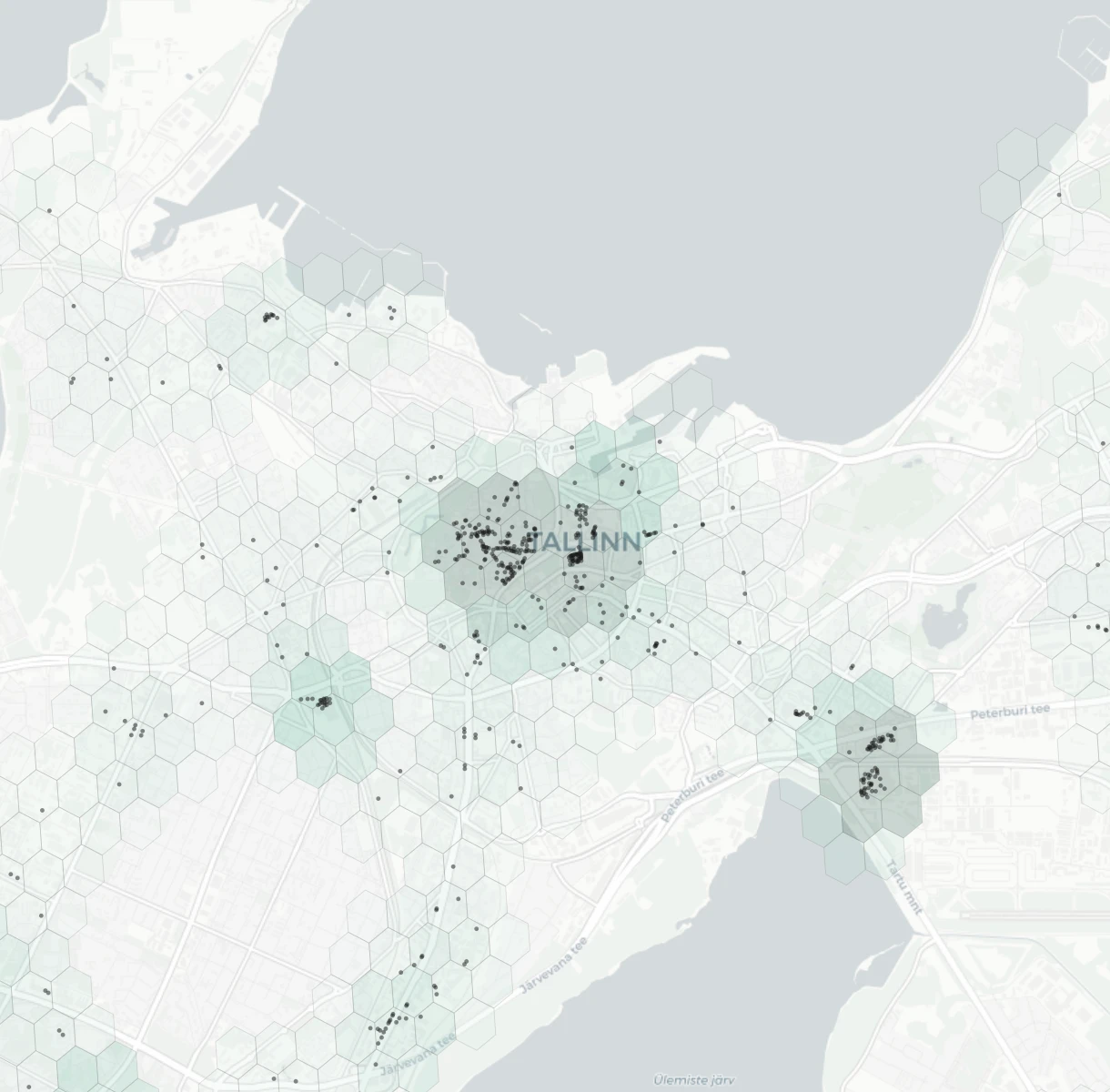
Top 5 Neighborhoods for Shopping
Shopping in Tallinn
The Old Town's streets -- particularly Viru, Müürivahe, and the passages around Raekoja Plats -- hold a mix of souvenir shops and genuinely interesting stores. The knitted goods are outstanding: Estonian wool work, particularly the distinctive colorful patterns, is a genuine craft tradition rather than a tourist invention. The sweaters, mittens, and hats sold along the Müürivehe passage, known locally as the sweater wall, are hand-knitted by local women.
Telliskivi Creative City in Kalamaja is Tallinn's most interesting shopping destination. The converted industrial complex houses Estonian fashion designers, homeware shops, vintage stores, and studios where you can watch artisans at work. The weekend flea market brings additional vendors, and the atmosphere bridges creative and commercial in a way that feels authentic.
Balti Jaama Turg, the renovated market next to Telliskivi, is essential for food shopping and everyday goods. The market combines traditional produce vendors with street food stalls and specialty shops selling Estonian honey, smoked fish, and handmade chocolates.
Estonian design has developed a distinctive voice -- clean lines influenced by Nordic neighbors, but with a slightly warmer, more handcrafted feeling. Several concept stores in the Old Town and Rotermanni quarter curate Estonian designers across fashion, jewelry, ceramics, and homeware. Look for Estonian amber jewelry, linen textiles, and wooden kitchen items.
The Rotermanni quarter's renovated warehouses hold lifestyle shops and design boutiques that cater to Tallinn's growing professional class. The architecture itself -- industrial limestone fitted with contemporary elements -- creates an appealing shopping environment.
For mainstream shopping, Viru Keskus next to the Old Town combines international brands with Estonian retailers in a modern mall connected to the bus terminal. Ülemiste City near the airport has expanded from a shopping center into a retail and business campus.
Tallinn's Christmas market on Raekoja Plats is genuinely charming and less commercialized than many European counterparts. Handmade gifts, mulled wine, and blood sausage from market stalls make it both a shopping opportunity and a cultural experience.