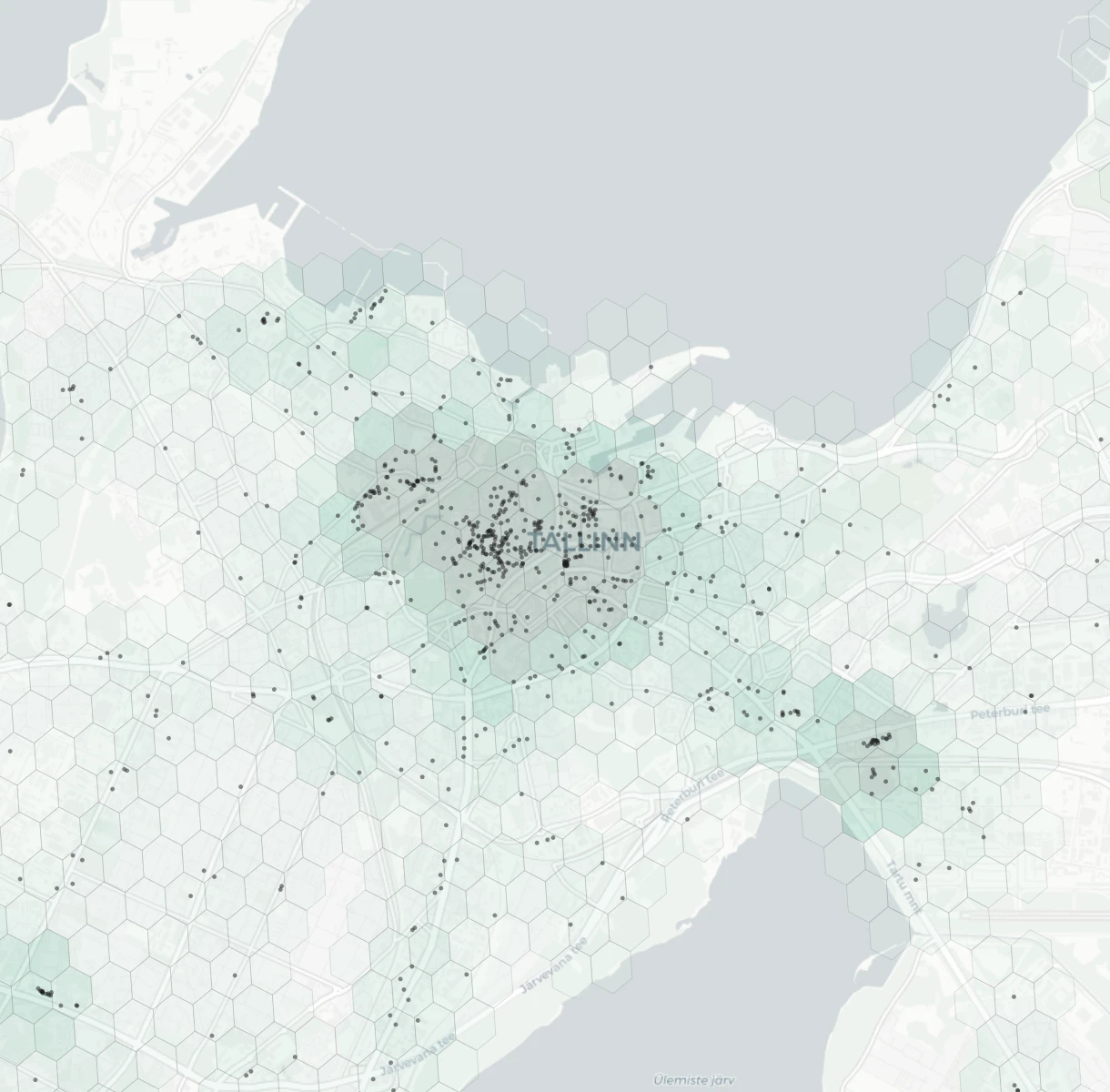
Top 5 Neighborhoods for Dining
Dining in Tallinn
The Old Town is where most visitors eat, and while there are tourist traps, several serious restaurants operate within the medieval walls. The narrow streets around Rataskaevu and Müürivahe have attracted chefs who use the atmospheric medieval settings to showcase modern Estonian cuisine -- think wild game, forest mushrooms, smoked fish, and fermented vegetables prepared with contemporary precision.
Kalamaja, the former fishermen's quarter north of the Old Town, has become Tallinn's creative dining neighborhood. The wooden houses along Telliskivi have been converted into restaurants, cafes, and food halls. Telliskivi Creative City, a repurposed industrial complex, houses several excellent casual dining spots where you can eat well for moderate prices. The Balti Jaama Turg market next door is perfect for assembling a lunch from local vendors.
Rotermanni quarter, the renovated industrial area between the Old Town and the port, attracts a business-lunch crowd by day and diners seeking polished modern cooking by night. The architecture -- old limestone warehouses fitted with contemporary glass -- sets the tone for food that bridges tradition and innovation.
For traditional Estonian food, seek out restaurants serving black bread, blood sausage, sauerkraut with pork, and the various smoked and pickled fish preparations that define Baltic cuisine. These dishes have deep roots and are experiencing a revival as chefs rediscover heritage recipes.
The Noblessner seafront district, a former submarine factory, now hosts restaurants with harbor views and menus built around Estonian seafood -- Baltic herring, pike-perch, and crayfish from local waters.
Practical tips: Tallinn is remarkably affordable compared to Scandinavian capitals. Lunch specials offer exceptional value. Reservations are advised for popular Old Town and Kalamaja restaurants on weekends. Estonian portions tend to be generous.