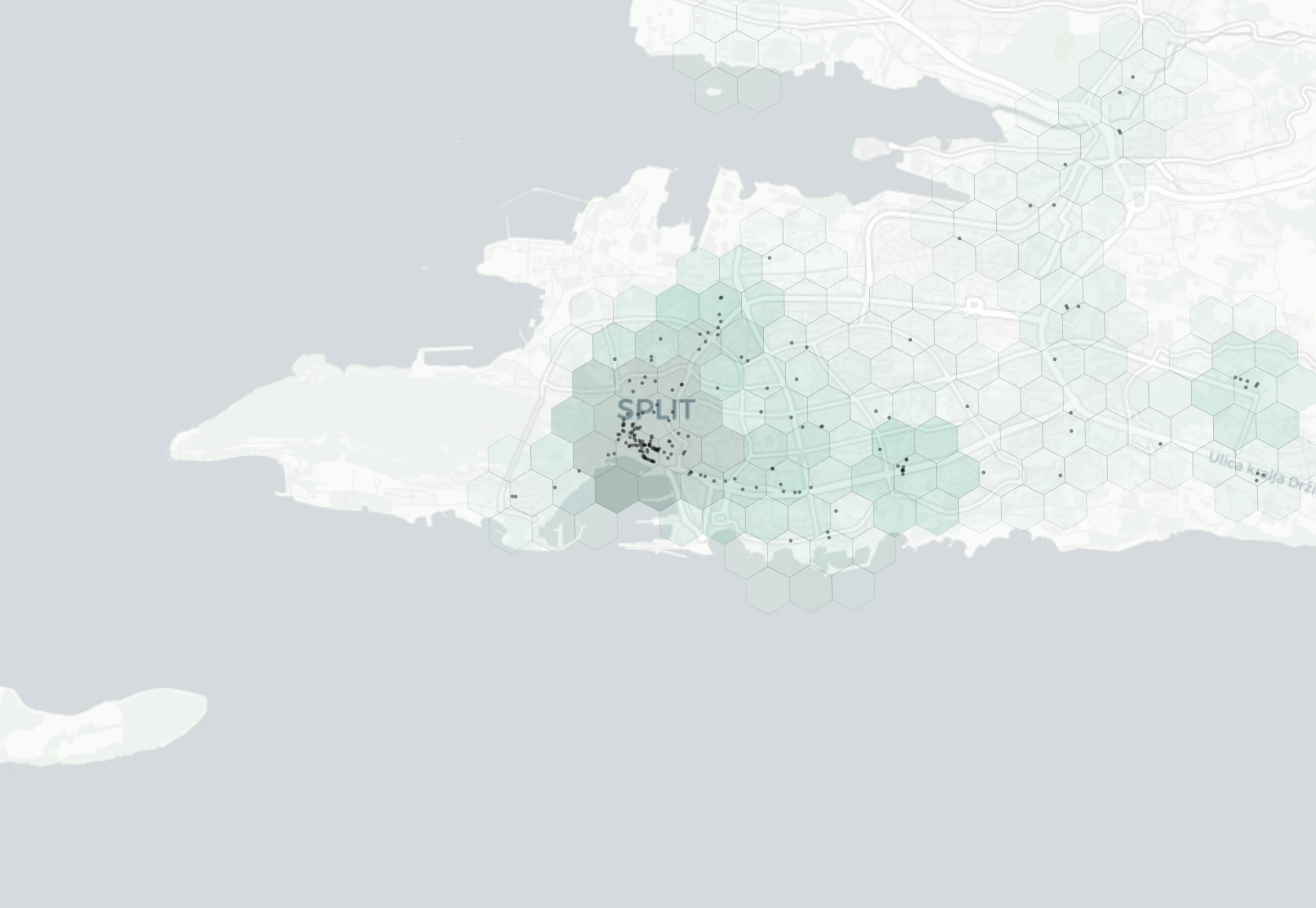
Top 5 Neighborhoods for Shopping
Shopping in Split
The Pazar green market behind Diocletian's Palace is the essential Split shopping experience. Every morning, farmers from the surrounding countryside lay out tomatoes, peppers, figs, grapes, pomegranates, dried herbs, olive oil, honey, and lavender from Hvar. The fish market nearby, in a dedicated building at the eastern end of the Riva, sells the morning catch directly -- the quality and freshness are exceptional. Shopping here is how Split has fed itself for centuries, and the practice of buying daily from the market remains strong.
Within the palace walls and in the streets immediately outside, small shops sell Dalmatian products that make excellent gifts and souvenirs. Croatian lavender products -- oils, sachets, soaps -- are authentic to this region, particularly from the island of Hvar. Local olive oils range from supermarket quality to exceptional single-estate bottlings. Pag cheese, a hard sheep's milk cheese from the northern Dalmatian island, is sold at specialty food shops and at the market.
Marmontova ulica, the pedestrian shopping street connecting the Riva to the Strossmayer Park, is Split's main retail strip. A mix of Croatian and international fashion brands, shoe stores, and accessories shops line both sides. The street is pleasant for strolling and connects the waterfront to the greener parts of the city.
For more artisan and independent shopping, the streets of Varoš and the lanes within the palace hold small galleries, jewelry workshops, and design studios. Croatian designers working with coral, silver, and local stones produce distinctive jewelry that reflects Mediterranean and Slavic influences.
The Joker mall on the outskirts and the City Center One mall east of the center serve practical everyday shopping needs, with supermarkets, electronics stores, and international chains.
Practical tips: haggling is not customary in Split's shops or markets. Prices at the green market are fair and consistent. For wine, visit a specialty wine shop rather than buying at tourist restaurants -- Croatian wines, particularly from the Dalmatian coast and islands, offer excellent value and are difficult to find outside the country. The morning is the best time for market shopping, as the freshest produce sells early. Many shops in the old town close for a midday break from about 1 to 5pm, especially in summer.