Top 5 Neighborhoods for Dining
Dining in Split
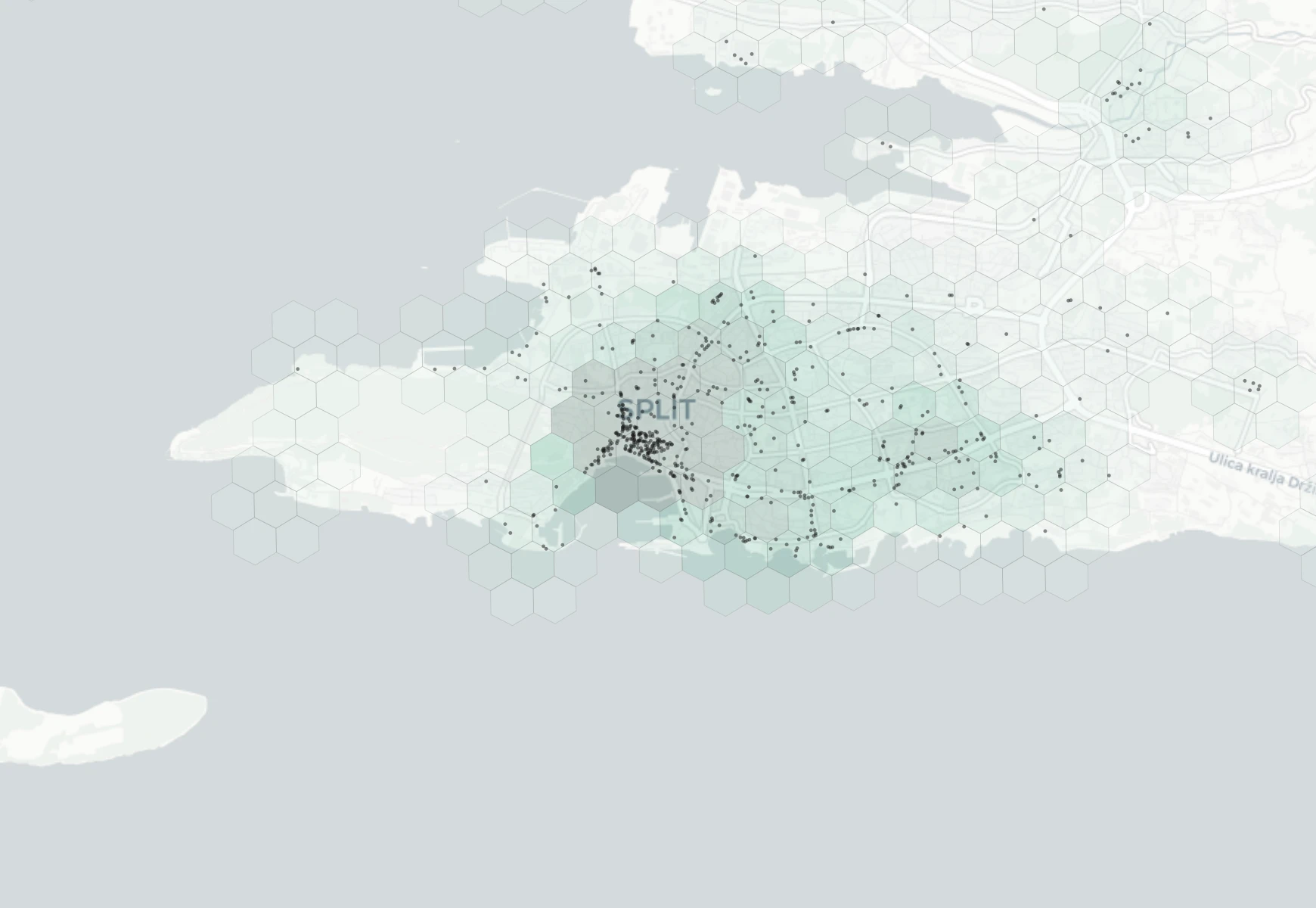
The streets within and immediately around Diocletian's Palace form the historic dining core. The Peristyle and the narrow alleys branching off it host restaurants in ancient stone buildings where you eat grilled fish that was swimming that morning. The palace's basement level and the area around Pjaca square have restaurants ranging from traditional konoba-style spots to more refined contemporary Croatian cooking. Seek out the smaller streets west of the Peristyle -- Ulica Majstora Jurja and the lanes toward the Iron Gate hide some of the best tables.
Varoš, the old neighborhood climbing the hill west of the palace, is where locals eat. This residential quarter has a handful of restaurants and konobas that serve traditional Dalmatian dishes -- pašticada beef stew, black risotto with cuttlefish ink, grilled whole fish priced by weight, and gregada fish stew. The portions are generous and the prices are lower than within the palace walls. The narrow climbing streets and stone staircases give the neighborhood an intimate character that enhances any meal.
The Riva waterfront promenade is Split's living room, and its cafes and restaurants are perfect for a leisurely lunch watching the harbor activity. Quality is mixed -- the best spots tend to be at the eastern end near the fish market or on the streets just behind the waterfront.
The area around Matejuška, the small fishing harbor west of the Riva, has developed a cluster of excellent restaurants that balance tradition and innovation.
The Pazar green market, operating every morning behind the palace's eastern wall, is essential for understanding Split's food culture. Farmers from the surrounding hills sell tomatoes, peppers, figs, olive oil, cheese, and herbs that form the foundation of Dalmatian cooking.
Practical tips: fish restaurants price fish by the kilogram -- always ask for the price before ordering whole fish. A kilogram of fresh sea bass or sea bream typically costs 40 to 60 euros at good restaurants. Meat dishes and pasta are more affordable. Local wine -- particularly Plavac Mali red and Pošip white from the nearby islands -- is excellent and reasonably priced. Lunch is the main meal in Dalmatian tradition, and many restaurants offer a daily special built around the morning catch.