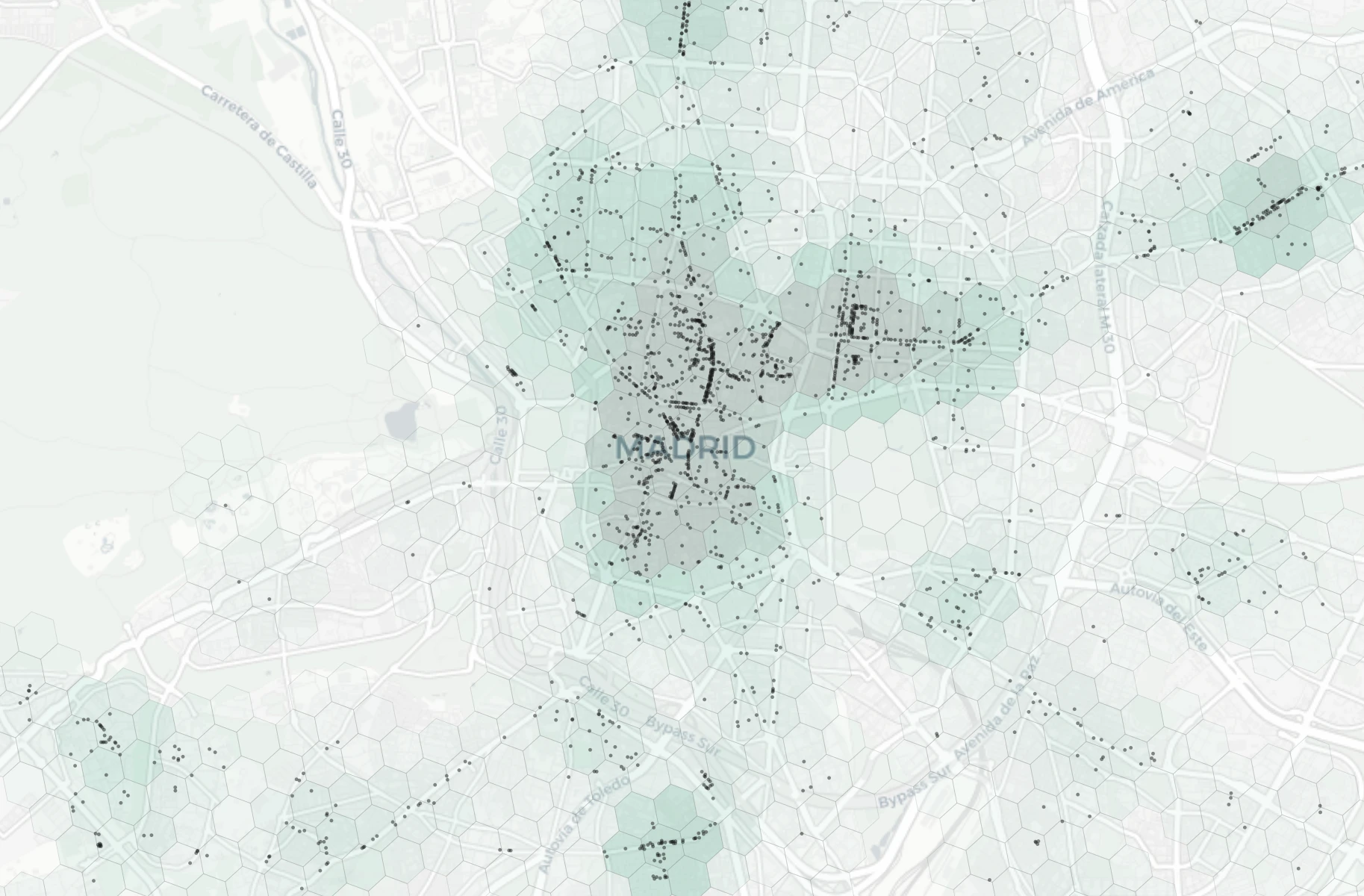
Top 5 Neighborhoods for Shopping
Shopping in Madrid
The Gran Vía and the streets descending from Sol toward Atocha form the commercial center. The big international chains are all here, anchored by El Corte Inglés on Calle de Preciados -- a department store that functions almost as a public institution. If you need something specific and do not want to hunt for it, this is where you go. The Fuencarral street, running north from Gran Vía into Malasaña, was once Madrid's alternative fashion corridor and still holds some interesting independent shops between the chain stores.
For vintage and secondhand, Malasaña is unmatched. The streets around Tribunal metro station are dotted with curated vintage shops selling everything from 1970s leather jackets to mid-century furniture. The Rastro flea market on Sunday mornings along Ribera de Curtidores is a Madrid institution -- arrive before 11 AM if you want to browse comfortably, and keep your wallet in your front pocket.
Salamanca is the luxury district, centered on Calle de Serrano and Calle de Ortega y Gasset. Every major fashion house has a presence here, and the side streets hide smaller Spanish designers who are worth discovering. The ABC Serrano shopping center, housed in a converted newspaper headquarters, is architecturally interesting even if you buy nothing.
For everyday shopping, Madrid's municipal markets are the backbone of neighborhood life. The Mercado de Maravillas in Tetuán is one of Europe's largest covered markets and sells everything from whole Iberian hams to fresh flowers at prices that make supermarkets feel like a waste. The Mercado de la Cebada in La Latina recently reopened after renovation and combines traditional food stalls with a modern food hall.
Chamartín and Prosperidad have developed strong local shopping streets where bakeries, hardware stores, and family-run clothing shops still thrive. These neighborhoods reward walking -- you will find things you did not know you needed on streets that do not appear in any guidebook.