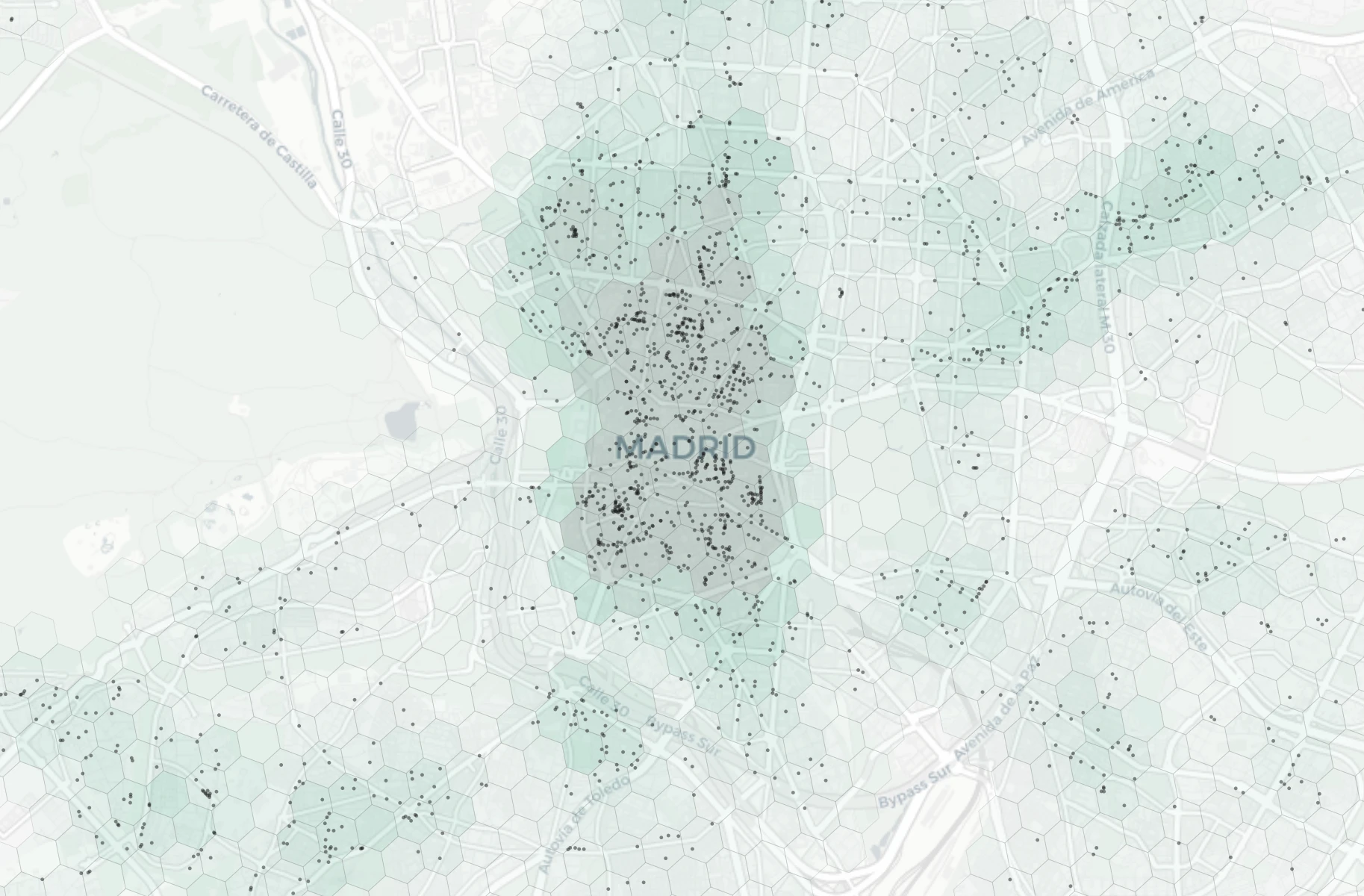
Top 5 Neighborhoods for Nightlife
Nightlife in Madrid
The progression of a typical Madrid night follows a well-worn path. You start with drinks and tapas around 9 or 10 PM, move to a cocktail bar around midnight, and arrive at a club sometime between 2 and 3 AM. Trying to rush this sequence will leave you standing in an empty venue wondering where everyone is.
Malasaña is the beating heart of the city's alternative and indie scene. The streets around Plaza del Dos de Mayo are dense with bars that range from craft beer spots to tiny rock-and-roll dives. Calle de la Palma is the classic strip for live music, with Café La Palma and several other venues hosting bands most nights of the week. The crowd here skews younger, but the neighborhood has enough variety that nobody feels out of place.
Chueca is Madrid's LGBTQ+ hub and one of the most vibrant going-out neighborhoods in all of Europe. The energy here peaks during Orgullo in late June and early July, but on any given Saturday night the streets are full. The bars tend to be welcoming and loud, and the neighborhood transitions seamlessly from cocktail hour to dancing.
For electronic music, the area around Atocha and Lavapiés has several clubs that attract serious DJs and a knowledgeable crowd. The bigger venues along the Castellana -- Chamartín end of things -- host international acts and can hold over a thousand people, but the best nights in Madrid often happen in smaller spaces.
Huertas, also called the Barrio de las Letras, is the most tourist-visible nightlife zone. The bars along Calle de las Huertas itself can feel overrun on weekends, but step one street over in any direction and you will find spots where locals actually drink. The jazz bars in this area are particularly good.
In summer, rooftop terraces -- called azoteas -- become essential. Nearly every major hotel has one, and many are open to non-guests. Arrive before sunset to claim a spot and watch the city light up.