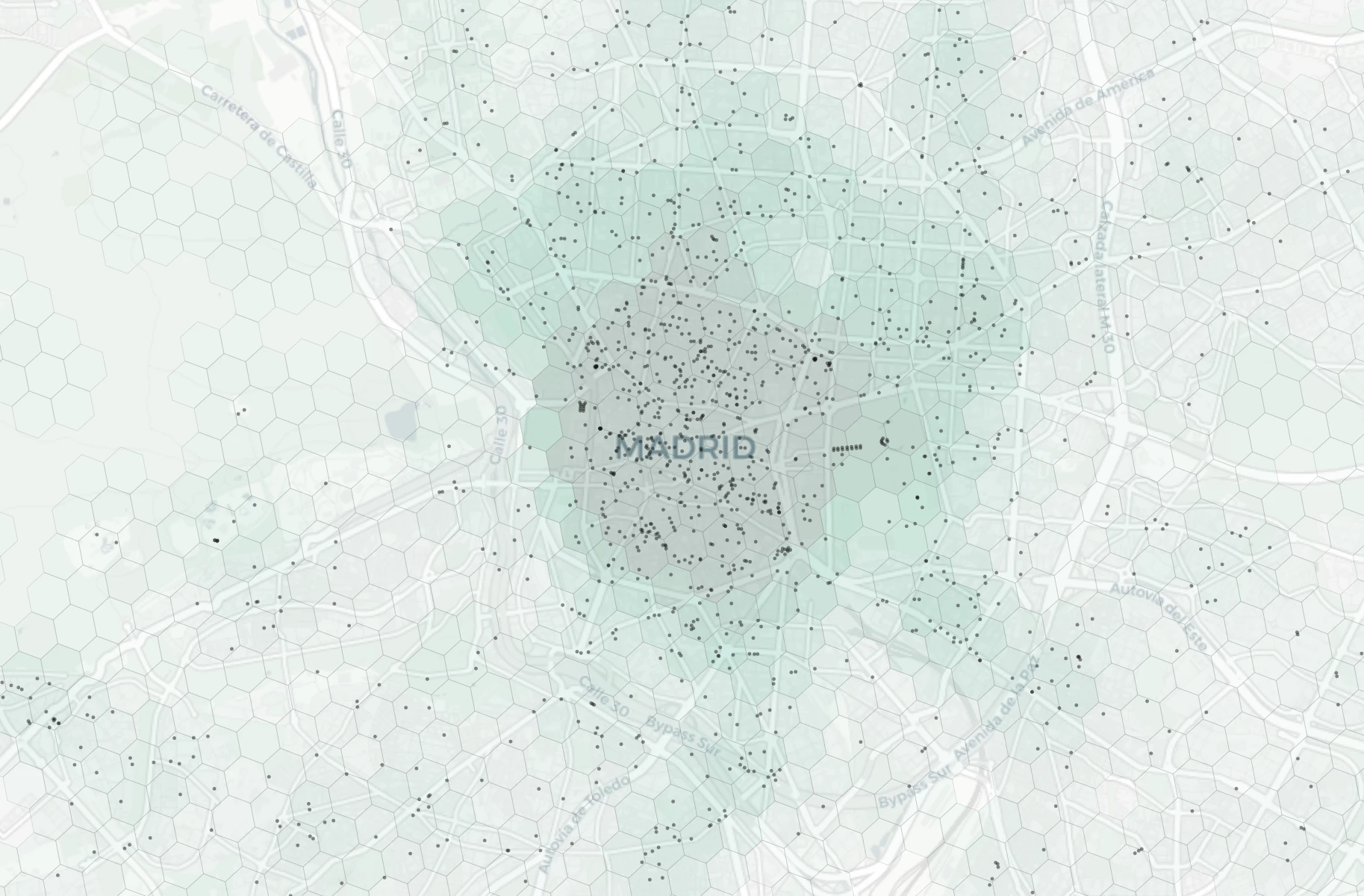
Top 5 Neighborhoods for Cafes & Culture
Cafes & Culture in Madrid
The Art Triangle -- the Prado, Reina Sofía, and Thyssen-Bornemisza museums -- anchors the cultural core along the Paseo del Prado. The Reina Sofía, home to Guernica, is free on certain evenings and all day Sunday afternoon, which makes it an accessible habit rather than an occasional outing. Between visits, the cafes along Calle de las Huertas and in the streets behind the Prado provide the kind of quiet, bookish atmosphere that makes lingering feel productive.
The Barrio de las Letras earned its name honestly. Cervantes and Lope de Vega once lived on these streets, and the literary spirit persists in the independent bookshops and reading-friendly cafes that line the quarter. Several have mismatched furniture, creaking floors, and the unspoken agreement that a single coffee buys you the table for as long as you like.
Malasaña is where Madrid's contemporary creative energy concentrates. The specialty coffee scene exploded here over the past decade, and the neighborhood now has roasters and pourover bars that rival any European city. But Malasaña's culture runs deeper than flat whites -- the independent galleries on side streets off Calle del Espíritu Santo showcase emerging Spanish artists, and the Conde Duque cultural center hosts exhibitions, film screenings, and concerts in a stunning 18th-century military barracks.
La Latina and Lavapiés together form an arts corridor that feels grittier and more spontaneous. Lavapiés in particular hosts gallery nights, street performances, and the Tabacalera -- a former tobacco factory turned community arts space that is one of Madrid's most exciting cultural experiments.
For theatre, the Gran Vía has the big musical productions, but the smaller venues around Lavapiés and Malasaña -- places like the Teatro del Barrio and Sala Mirador -- offer contemporary drama and experimental work. Many performances are in Spanish only, but the physical theatre and dance programming at spaces like the Teatros del Canal in Chamberí transcends language entirely.
In summer, the Veranos de la Villa festival scatters free concerts and performances across outdoor venues citywide, and the terrace cafes stay open well past midnight.