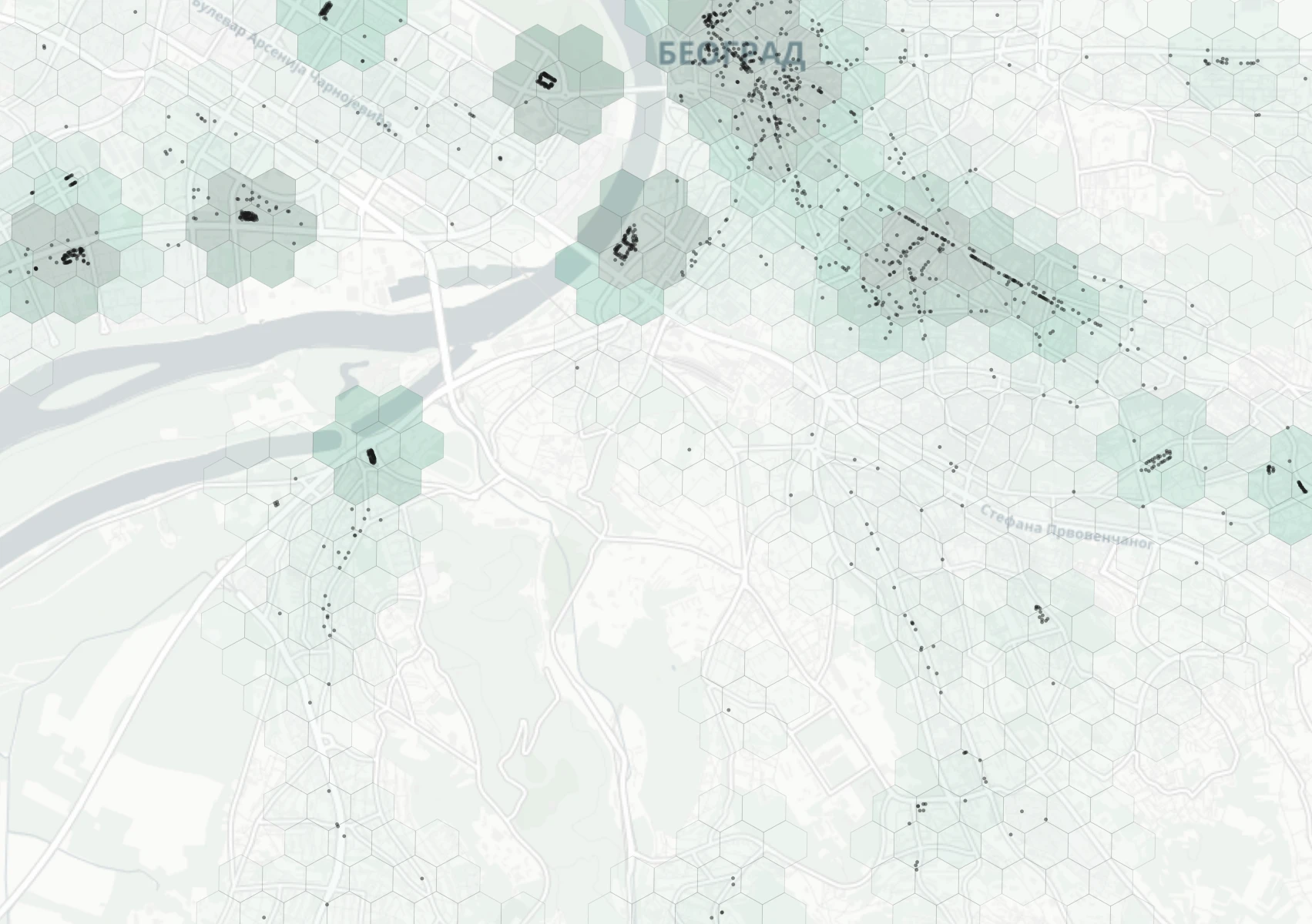
Top 5 Neighborhoods for Shopping
Shopping in Belgrade
Knez Mihailova, the main pedestrian street running from Kalemegdan fortress to Terazije square, is Belgrade's commercial spine. International chains have arrived here, but Serbian brands and local shops still hold significant territory. The street is also an important social space, with buskers, portrait artists, and a constant flow of people that makes walking it an experience in itself.
The area around Dorćol and Strahinjića Bana has become Belgrade's design shopping district. Small boutiques sell Serbian designer clothing, jewelry, and accessories. The neighborhood's creative character extends to vintage shops and art bookstores that reward careful exploration. Cetinjska street has galleries that double as design shops.
For markets, Kalenić pijaca in Vračar is Belgrade's best neighborhood market. The daily produce, cheese, and meat sellers provide fresh ingredients at good prices, and the surrounding streets have small shops selling everything from household goods to handmade slippers. Zemun's market has a similar character with a more relaxed pace.
Bajlonijeva pijaca near the main bus station is Belgrade's grittiest and most fascinating market, with an enormous flea market section where you can find anything from vintage Yugoslav electronics to handmade wooden spoons to military surplus.
For food souvenirs, Serbian ajvar, the roasted red pepper and eggplant spread, is best bought at markets in autumn when families make their annual batches. Rakija fruit brandy comes in countless varieties, and specialist shops in the center carry premium bottles from small producers. Serbian chocolate from Štark and Pionir is nostalgic for locals and novel for visitors.
Belgrade's shopping centers, Ušće in New Belgrade and Rajićeva in the center, provide conventional mall experiences for those who want them, with international brands and extended hours including Sundays.
Practical note: traditional shops generally close by eight, with Saturday hours ending earlier. The markets operate mornings through early afternoon, with Saturday being the busiest day. Bargaining is acceptable at flea markets but not at regular shops. Serbian dinars are the only accepted currency, though some tourist-oriented businesses informally accept euros.