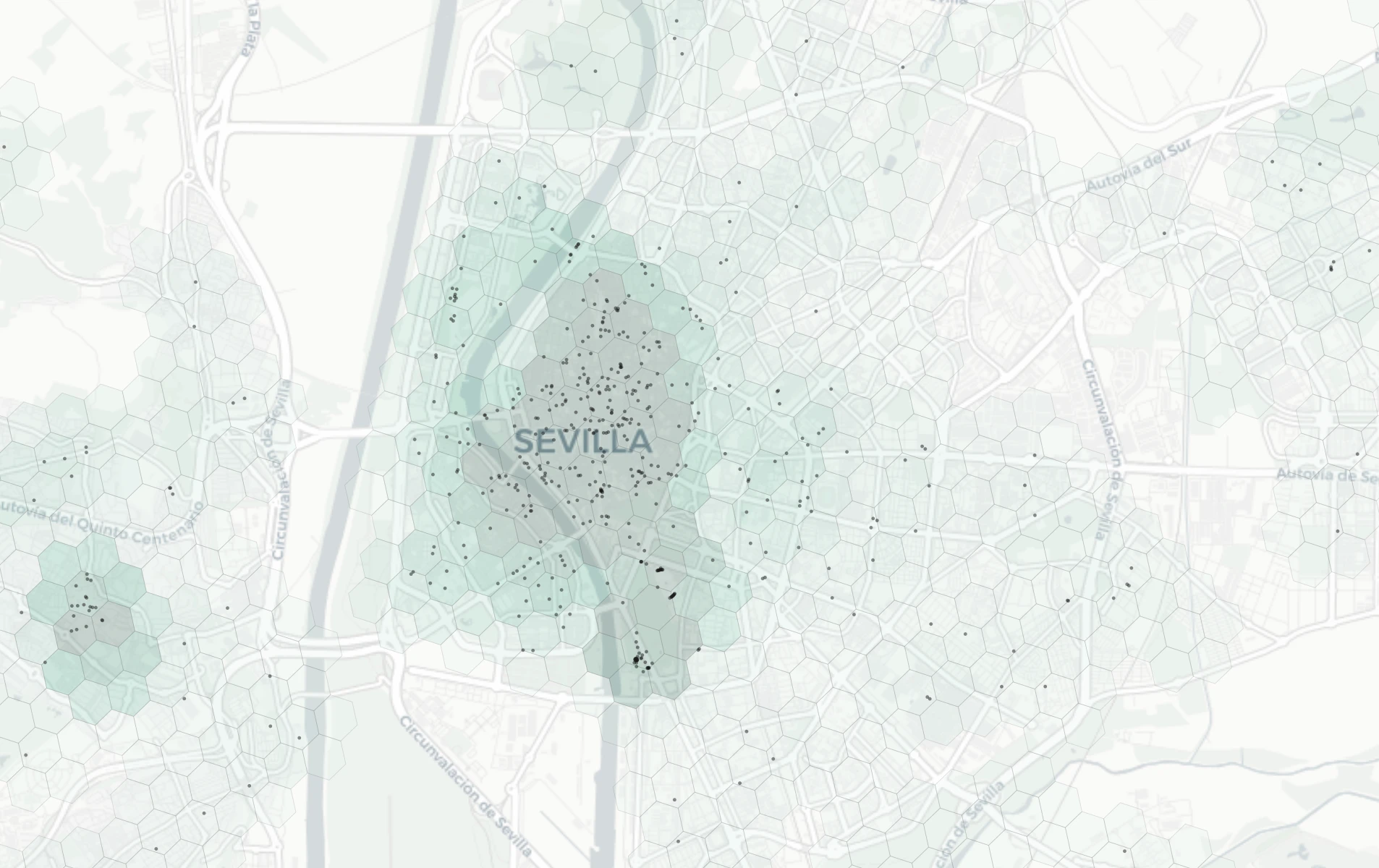
Top 5 Neighborhoods for Cafes & Culture
Cafes & Culture in Seville
The cafes around Plaza de la Alfalfa and Plaza del Salvador in the old town are where sevillanos gather at any hour. These squares buzz from morning coffee through afternoon tinto de verano into late-night drinks. The bars ringing Plaza del Salvador have outdoor seating facing the church and are perfect for observing the rhythms of the city.
Confitería La Campana on Calle Sierpes has been serving coffee and pastries since the late nineteenth century. Its interior is ornate and its display cases filled with traditional Andalusian sweets. During Semana Santa, the shop produces special pastries that sell out daily.
For specialty coffee, the scene is younger but growing. Cafeína on several locations and smaller roasters in the Alameda area have brought third-wave coffee to a city that traditionally favored strong, dark espresso.
Seville's cultural patrimony is staggering. The Cathedral and Giralda tower are the obvious starting point. The cathedral is the largest Gothic church in the world, and climbing the Giralda's ramps offers views over the city that contextualize everything else. The Alcázar, next door, is a Mudéjar palace of extraordinary beauty whose gardens alone justify an extended visit.
The Museo de Bellas Artes in a former convent houses one of Spain's finest art collections, particularly strong in Baroque paintings by Zurbarán, Murillo, and Valdés Leal. The building itself, organized around cloistered courtyards, is as rewarding as the collection.
The Centro Andaluz de Arte Contemporáneo at the Monasterio de la Cartuja, on the island that hosted Expo 92, hosts contemporary exhibitions in monastic buildings with an atmosphere unlike any other gallery space.
For performing arts, the Teatro de la Maestranza on the river hosts opera, concerts, and dance in a modern auditorium. The Teatro Lope de Vega near María Luisa park presents touring shows and local productions. Flamenco, of course, is Seville's signature performing art. Beyond the tourist tablaos, the Casa de la Memoria in Santa Cruz presents intimate, curated shows, and the Bienal de Flamenco, held every two years, draws the art form's greatest performers to venues across the city.
The barrio of Santa Cruz itself functions as an open-air cultural experience, with its narrow lanes, hidden patios, and orange-tree-shaded plazas creating an architectural environment that has changed remarkably little over centuries.