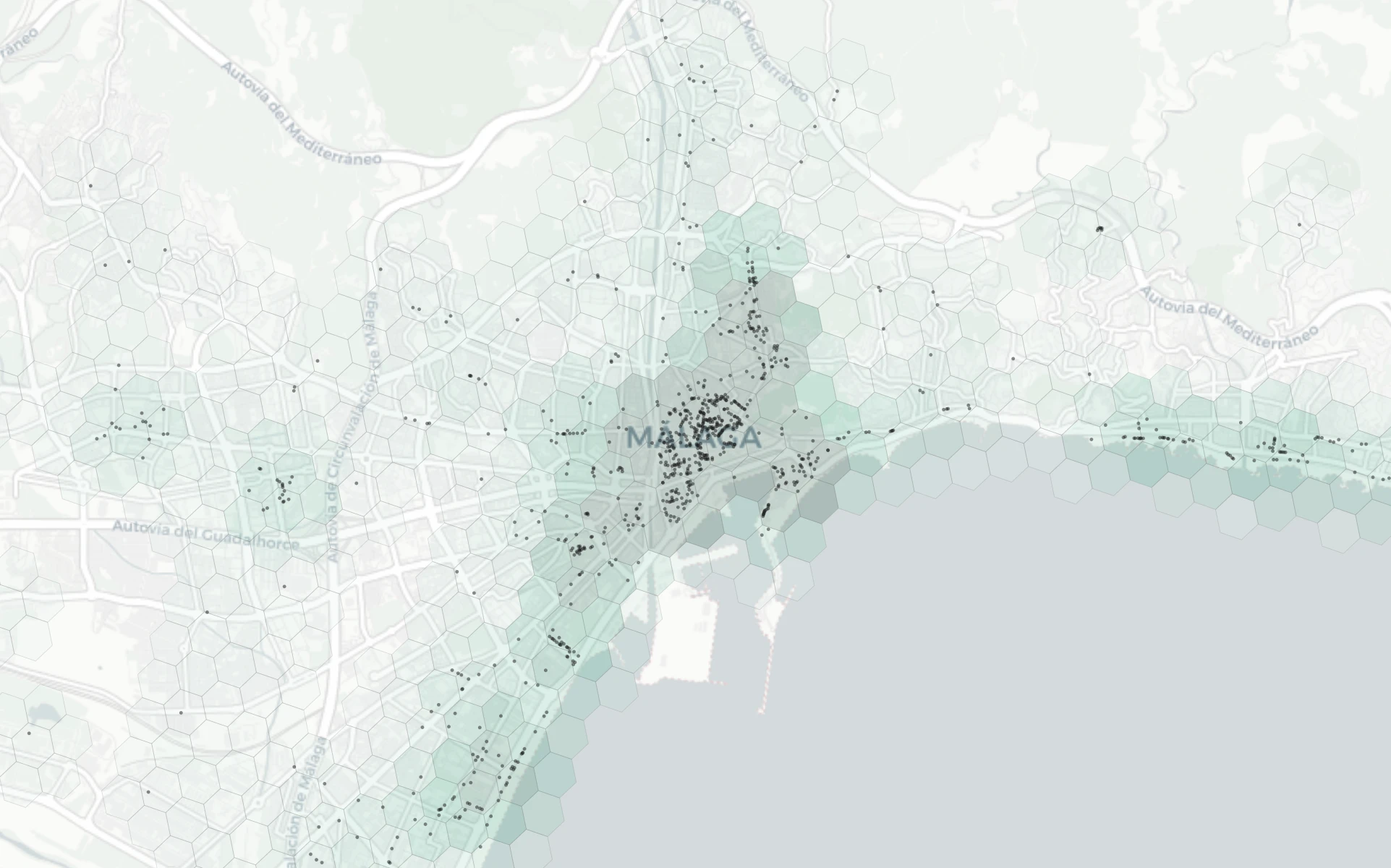
Top 5 Neighborhoods for Dining
Dining in Malaga
The central market, Mercado de Atarazanas, is the beating heart of Malaga's food culture. Under the stunning iron-and-glass roof -- with its original Moorish arch entrance -- vendors sell fish hauled from the port that morning, mountains of seasonal produce, and olives in more varieties than you knew existed. The small bars inside the market serve fried fish and cold beer and are packed with locals by noon.
Pedregalejo, the old fisherman's neighborhood east of the center, is where malaguenos go for seafood. The beachfront chiringuitos -- beach restaurants -- here serve espetos, sardines threaded on bamboo skewers and grilled over wood fires right on the sand. This is Malaga's most iconic dish, and eating espetos on the beach at sunset is a near-religious experience. The season runs from roughly April through October.
The old town -- Casco Antiguo -- has undergone a dining transformation. The streets around Plaza de la Merced and Calle Granada now host wine bars serving fino sherry and montilla, tapas joints doing creative takes on Andalusian classics, and small restaurants run by ambitious young chefs.
Soho, the arts district south of the Alameda, has attracted a new wave of restaurants that blend Andalusian tradition with international influence. The streets here are more relaxed than the tourist-heavy center, and the dining tends to be more creative.
Eating in Malaga follows a Spanish schedule. Lunch is the main meal, typically between 2 and 4pm, and many restaurants offer a menu del dia that includes a starter, main, dessert, bread, and a drink at remarkable value. Dinner rarely starts before 9pm in summer, even later on weekends.
Winter brings different pleasures: roasted chestnuts from street vendors, hearty puchero stew, and the tradition of eating churros con chocolate on cold mornings.