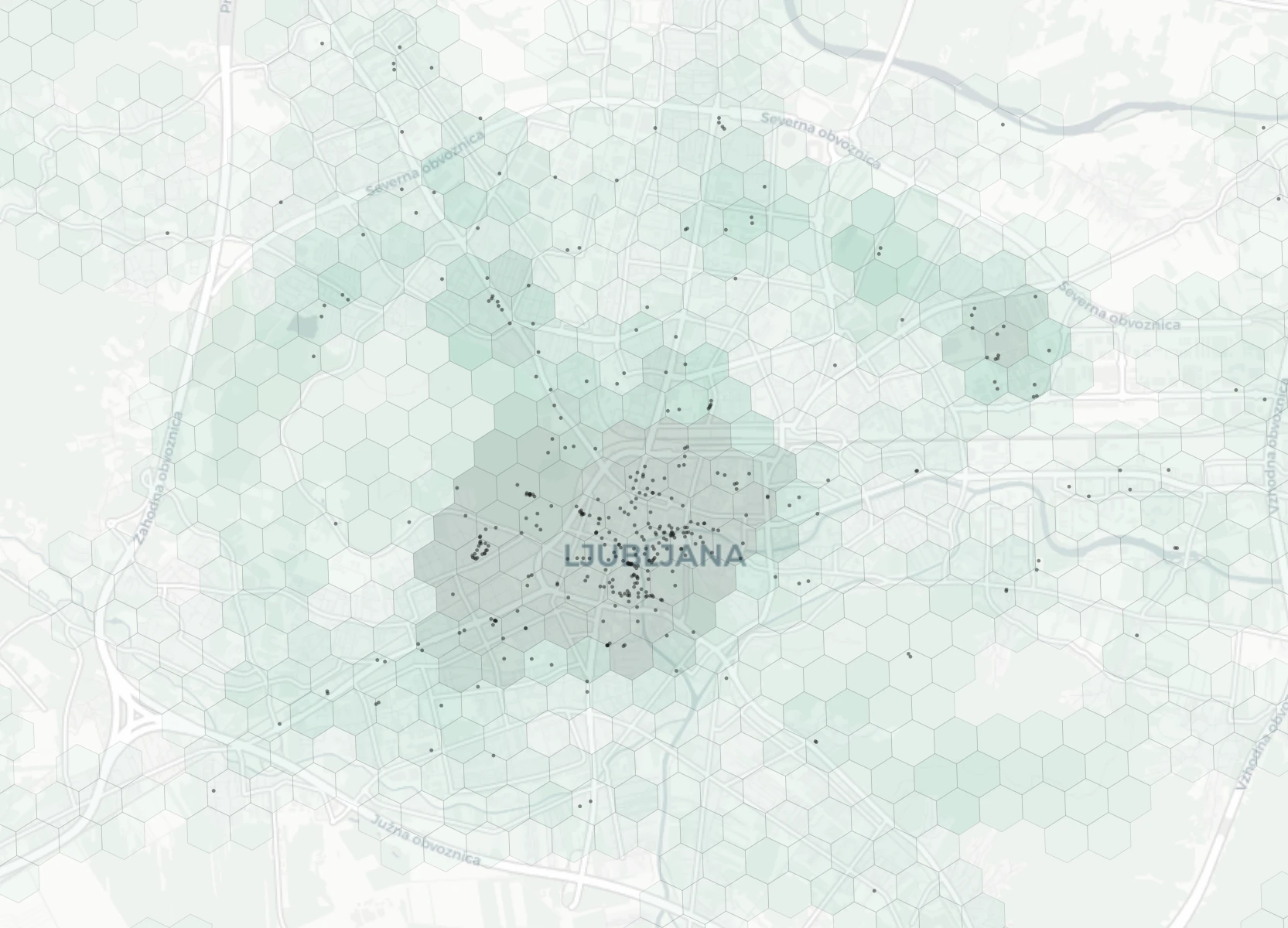
Top 5 Neighborhoods for Cafes & Culture
Cafes & Culture in Ljubljana
The riverfront cafes define daily life here. Morning coffee along the Ljubljanica is a ritual that crosses all demographics -- students, retirees, business people, and artists share the terraces. The cafes between the Triple Bridge and the Cobbler's Bridge offer the most picturesque settings, but locals often prefer the quieter spots upstream toward the Dragon Bridge, where the atmosphere is less performative.
Specialty coffee has established a firm presence. The roasters and cafes on Trubarjeva cesta and in the Tabor neighborhood serve excellent single-origin espresso in spaces that encourage lingering. These newer cafes often host small exhibitions or readings, blurring the line between coffeehouse and cultural venue.
The cultural offerings are remarkable for a city of Ljubljana's size. The National Gallery houses the most important Slovenian art collection, with Impressionist works by Ivan Grohar and modernist pieces that tell the story of Slovenian identity. The Museum of Modern Art nearby focuses on contemporary work and has a rotating program that stays current with European trends.
Metelkova Mesto provides the alternative cultural counterpoint. The Museum of Contemporary Art, housed in a sleek building adjacent to the chaotic squat, creates a deliberate tension between institutional and underground art. The galleries within Metelkova itself show emerging artists and host happenings that defy easy categorization.
The Cankarjev Dom cultural center is the main venue for performing arts -- theatre, dance, music, and film festivals pass through its multiple halls. The Slovenian Philharmonic, one of the oldest in Europe, performs in a hall on Kongresni trg that also hosts visiting orchestras and soloists.
Plecnik's architecture is itself a cultural experience. Walking through the city and recognizing his distinctive touch -- the Central Market, the National and University Library with its famous dark staircase, the Triple Bridge -- creates a running dialogue with one architect's vision of a city.
Summer brings culture outdoors. The Ljubljana Festival fills courtyards and the Krizanke open-air theatre with performances from June through September, and the ambient music drifting from these venues adds to the evening atmosphere of the riverside cafes.