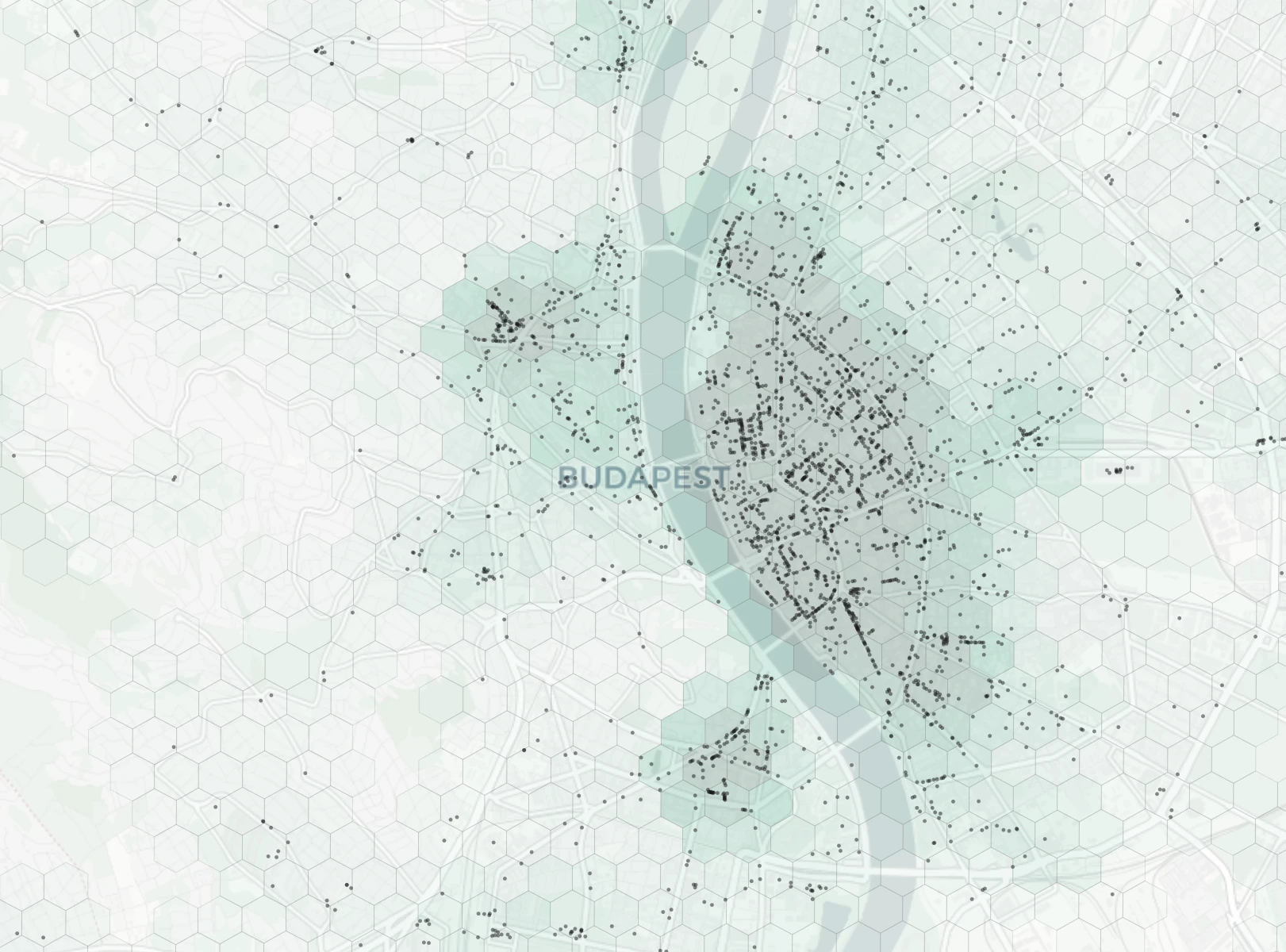
Top 5 Neighborhoods for Dining
Dining in Budapest
The Jewish Quarter in District VII is the epicenter of the new Budapest food scene. The area around Kazinczy utca and Dob utca packs restaurants, ruin bars with kitchens, and street food stalls into a vibrant, sometimes chaotic district. Karavan street food court on Kazinczy serves everything from Hungarian langos to pulled pork to vegan bowls at communal tables.
For traditional Hungarian food done well, look beyond the tourist spots near the Basilica. The market halls are where locals eat. The Great Market Hall at Fővám tér is the most famous, and the upstairs food stalls serve genuine gulyás, chicken paprikás, and lángos at fair prices. Arrive before noon to avoid tour groups. The smaller Hold utca Market Hall near the Parliament has been renovated into a foodie destination with both traditional vendors and modern stalls.
Belváros and Lipótváros in Districts V and XIII offer the widest range of dining. The streets around Október 6 utca and Sas utca have become a restaurant quarter with everything from modern Hungarian bistros to Japanese ramen. Several young Hungarian chefs have opened small, unpretentious restaurants here that serve creative menus at prices that would be unthinkable in Vienna or Prague.
Buda side dining is quieter but rewarding. Bartók Béla út in District XI has emerged as a local favorite for its mix of cafes, wine bars, and casual restaurants away from the tourist trail. The Fény utca market near Széll Kálmán tér is a working neighborhood market with an upstairs food court that serves some of the best home-style cooking in the city.
For wine, Budapest is a revelation. Hungary produces extraordinary wines, from Tokaji aszú to volcanic Furmint to Bull's Blood from Eger, and the city's wine bars offer them at prices that make French equivalents look outrageous. The bars in the Jewish Quarter and along Bartók Béla út have particularly good selections.
Practical tips: Budapest dining is remarkably affordable by Western European standards. A full meal with wine at a good restaurant rarely exceeds what you might pay for a main course alone in Copenhagen. Lunch menus, called napi menü, are offered by many restaurants on weekdays and represent extraordinary value. Tipping is customary at around ten percent, but state the total you want to pay rather than leaving coins on the table.