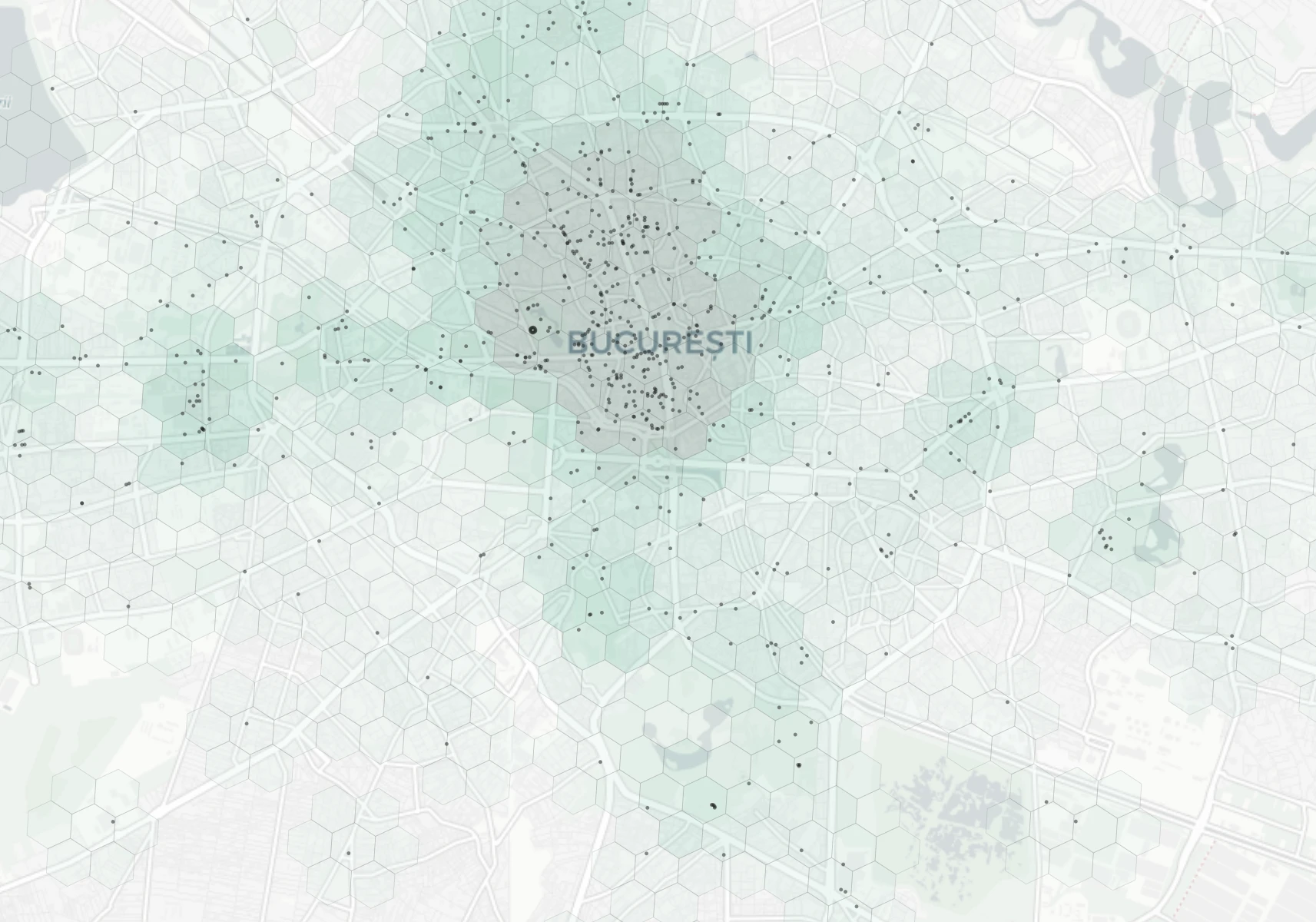
Top 5 Neighborhoods for Cafes & Culture
Cafes & Culture in Bucharest
Calea Victoriei is the natural starting point. The surviving grand cafes -- those that outlasted communism and the chaotic transition years -- have ornate interiors with high ceilings, gilded mirrors, and an atmosphere that transports you to the interwar period. Newer cafes on the same boulevard have taken design cues from this heritage while adding specialty coffee and contemporary sensibility.
The specialty coffee scene has arrived with force in Bucharest. The neighborhoods around Piata Lahovari and the streets behind the National Theatre host a concentration of excellent roasters and brew bars. These spaces attract a creative crowd -- architects, designers, writers -- and the conversation is lively. Many stay open late and transition into wine bars in the evening.
Culturally, Bucharest is experiencing a renaissance. The National Art Museum in the former Royal Palace on Piata Revolutiei houses an impressive European collection alongside Romanian masters. The MNAC contemporary art museum, housed in a wing of Ceausescu's massive People's Palace, offers a pointed contrast between the dictator's megalomania and the free expression within.
The network of independent galleries around Strada Pictor Verona and in the Old Town has grown steadily. Opening nights are social events, and the art scene here is affordable enough that young people actually buy work.
The Romanian Athenaeum, the neoclassical concert hall, hosts the George Enescu Philharmonic and is one of the most beautiful performance venues in Europe. Smaller theatres -- particularly Teatrul Mic and the Green Hours jazz club -- offer nightly programming that ranges from experimental theatre to spoken word.
The Carturesti Carusel bookshop in the Old Town, housed in a restored 19th-century building with a spectacular interior, has become a cultural landmark. Spending an afternoon browsing its six floors, then retiring to the rooftop cafe, is one of Bucharest's finest pleasures.
The city's complicated history is itself a cultural experience. Walking past bullet-scarred buildings from the 1989 revolution, communist-era apartment blocks, and painstakingly restored interwar villas creates a layered understanding that no museum can replicate.