Rome, block by block
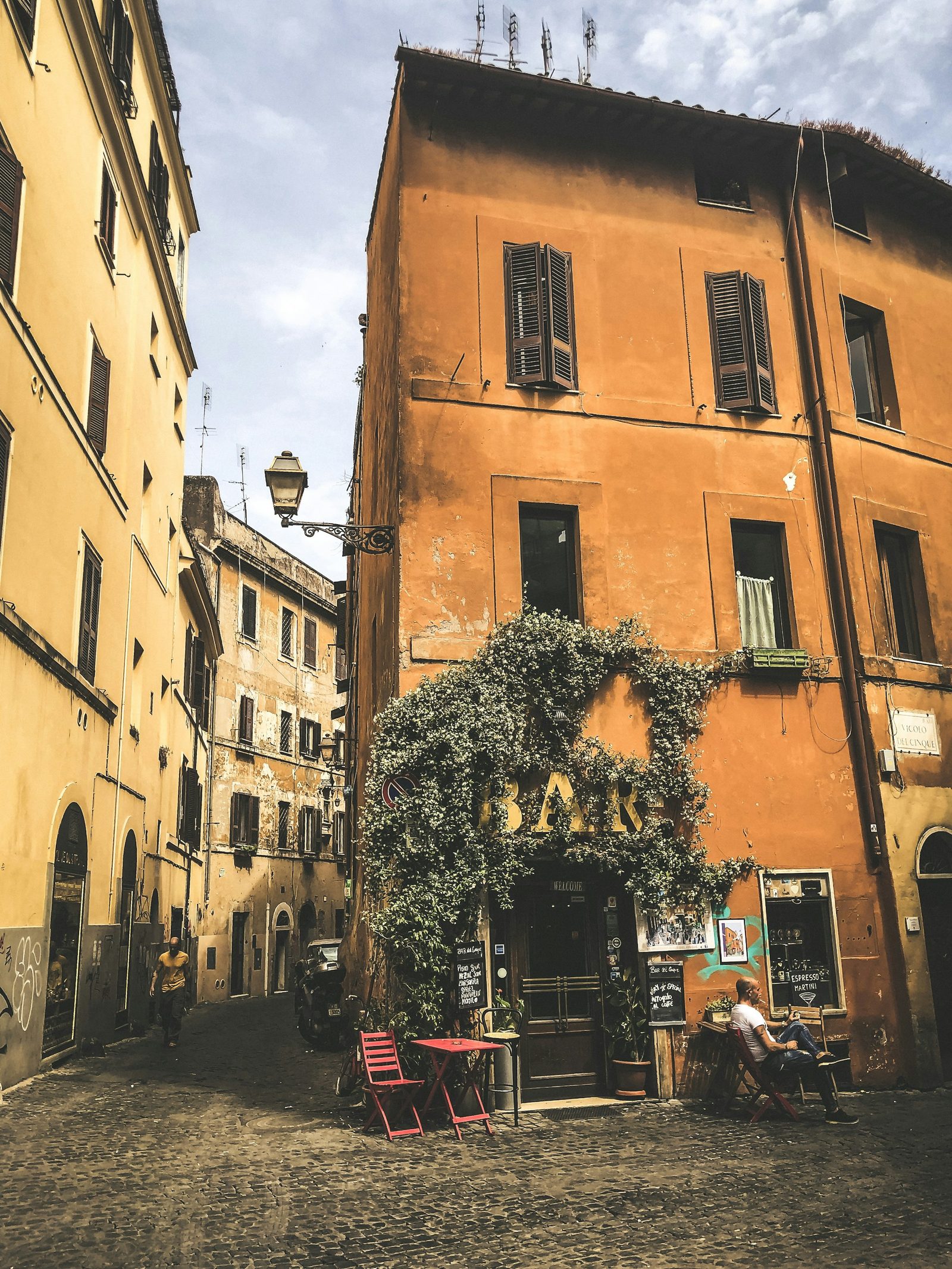
Rome isn't one city. It's a stack of small towns that share a river. Walk ten minutes in any direction and the sound changes, the dialect shifts, the food gets cheaper or weirder. Every Roman belongs to a rione the way a Neapolitan belongs to a family, and they'll tell you, unprompted, which one is theirs and why it's better than yours.
Pick a rione and start walking. The cobbles change colour, the bar coffee gets cheaper, somebody's grandmother yells something out a window. Four of them, then. Not the tourist list. The ones Romans actually argue about.
Trastevere
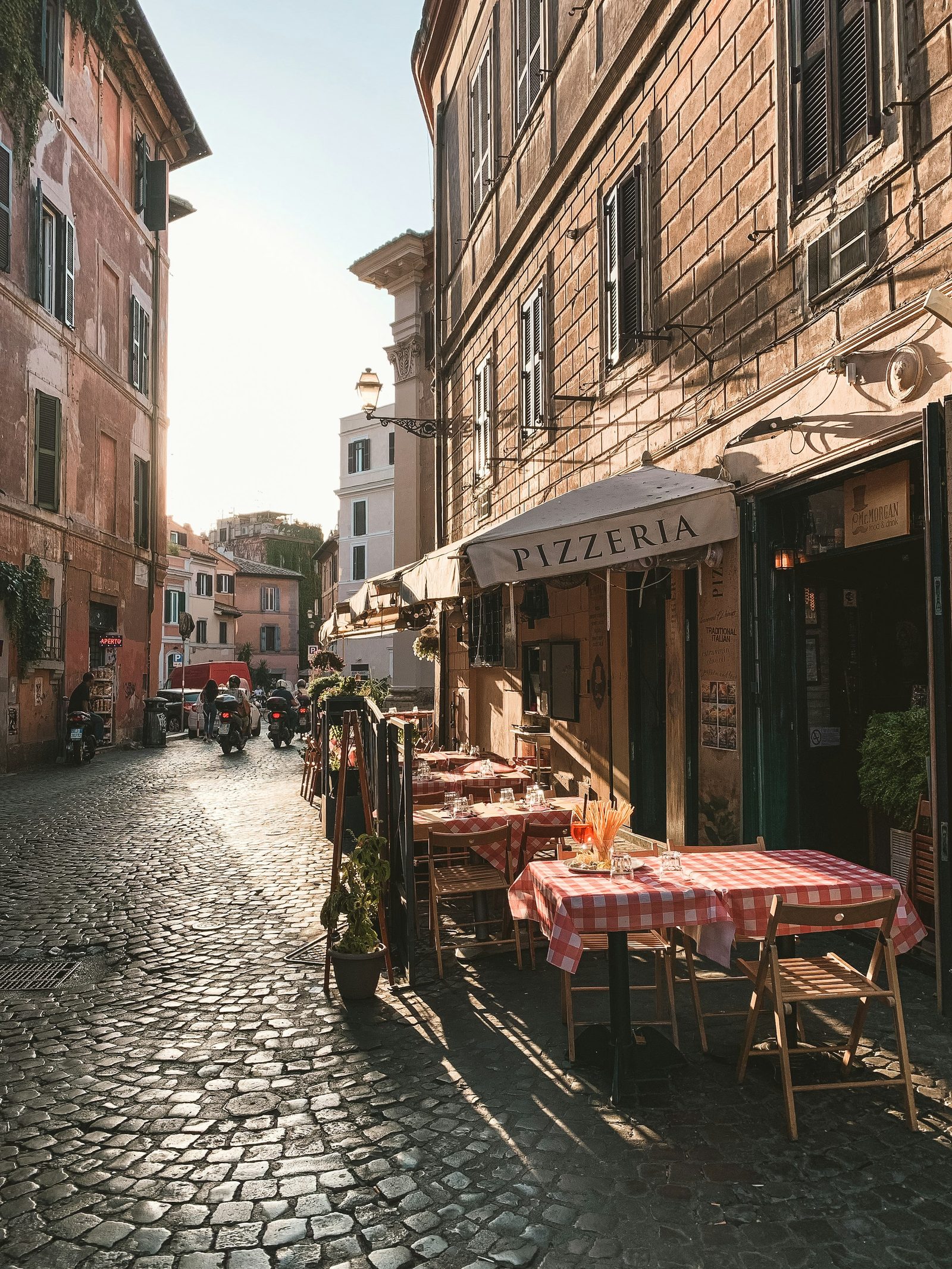
Photo: Fineas Anton / Unsplash
Everyone knows Trastevere. That's the problem.
Around Piazza Santa Maria it's theatre now. The streets are slick with spilled spritz, tour groups wedge into the square, American study-abroad kids spill out of bars until 2am. The rione has lost a fifth of its permanent residents in forty years. One in five apartments is an Airbnb. It's still a neighborhood on paper, but on a Saturday night it feels like a stage set.
Walk five minutes north, toward Porta Settimiana at the edge of the rione, and something odd happens. The noise drops. The street goes dark early.
You see laundry hanging between shuttered windows. You hear Italian without any English mixed in. A cat watches you from a stairwell. This is where the actual Trasteverini live, and they're quietly waiting for you to turn around.
The morning belongs to the Trasteverini. At Bar San Calisto, which reopened in February after its first renovation in decades, old men have a 90-cent espresso at the counter. The owner, Marcellino, has been running the place since 1969. His son Valerio is behind the bar most days now.
The marble counter is new. Everything else is the same conversation that's been going on since the espresso machines were made of brass.
The food is extraordinary if you know where to go. Forno La Renella has been making pizza bianca since 1870. Biscottificio Innocenti has been making the same biscotti in the same tiny shop on Via della Luce since the 1940s. Trattoria da Augusto takes no reservations, shares tables, cash only. The Sunday flea market at Porta Portese runs from dawn to 2pm, as it has since the end of the war.
You can find the real Trastevere. You just have to get up early.
Testaccio
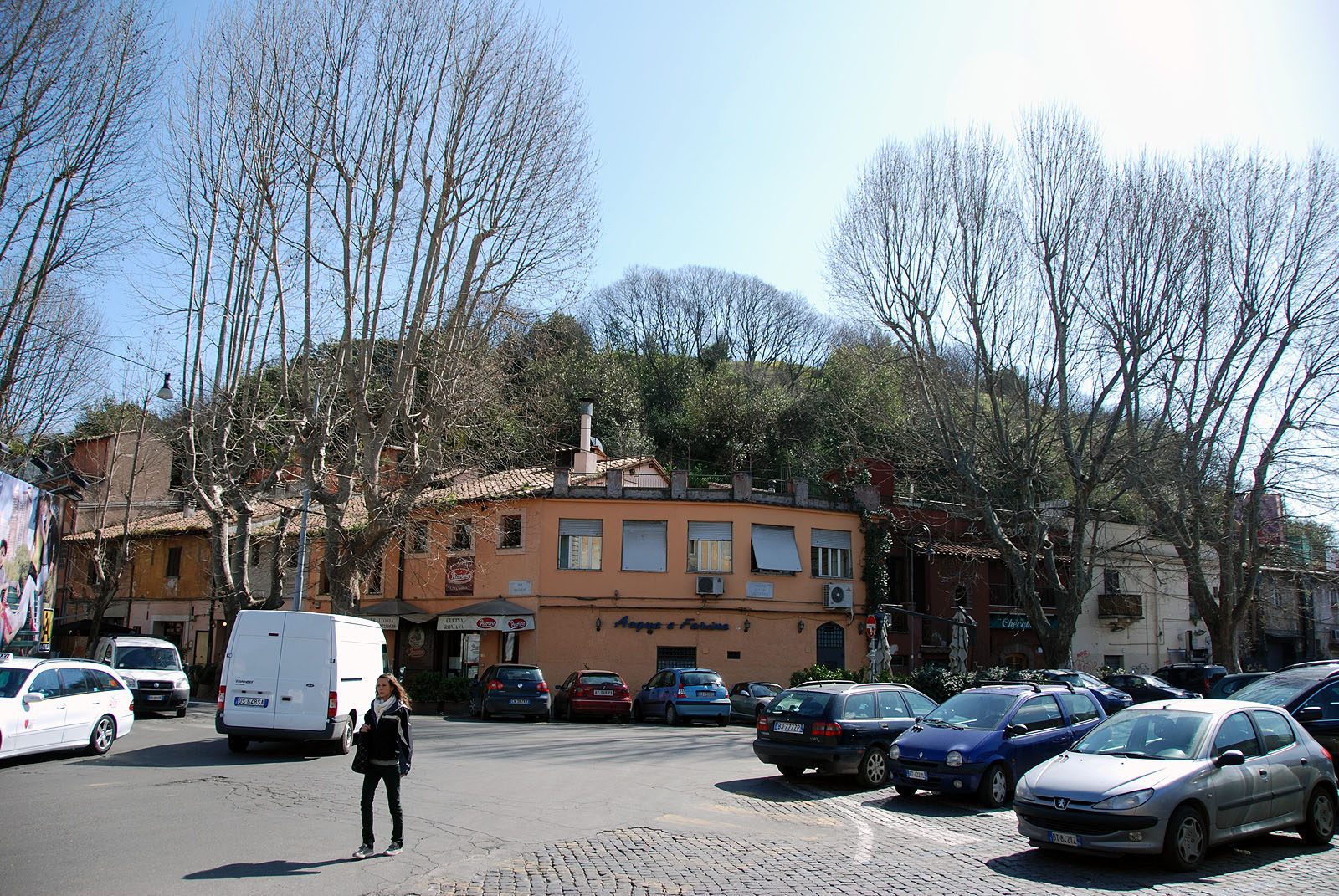
Photo: IK's World Trip / Wikimedia Commons (CC BY 2.0)
Romans will tell you to cross the river.
Testaccio is Trastevere's twin, except the tourists never quite made it over the bridge. Same ochre walls, same narrow streets, same old ladies gossiping on benches. What it doesn't have is the theatre. What it has instead is a food culture so stubborn, so specific, that it basically invented Roman cuisine.
The story goes like this. In the 19th century, the city's slaughterhouse sat at the edge of the neighborhood, and the butchers were paid partly in offal. The fifth quarter. The quinto quarto. Scraps nobody else wanted.
Their wives took those scraps home and figured out what to do with them. Coda alla vaccinara. Trippa alla romana. Pajata. Coratella.
These dishes aren't peasant food by accident. They're peasant food by necessity, invented by people who had to make oxtail and intestines taste like something worth eating. Checchino dal 1887, run by the same family for six generations, has had coda alla vaccinara on the menu since the restaurant got its cooking license.
The market is where the neighborhood eats lunch. At the Mercato di Testaccio, Giuliano at Mordi e Vai slides slow-cooked beef into panini for a queue that's already five deep by 10am. His father Sergio started the stand. Paola and Andrea at Casa Manco make pizza al taglio with dough that's been fermenting for four days. You can eat very well here for eight euros.
Behind the market rises Monte Testaccio, a 36-meter hill made of 50 million ancient oil amphorae, broken into shards and piled up by Roman dockworkers for about a century. Grass grew over the pile. Caves were dug into its base during the Middle Ages to store wine. Some of those caves are now nightclubs.
Three blocks over, at the corner of Via Zabaglia, there's a locked gate and a lot full of weeds. This is Campo Testaccio, where AS Roma played football from 1929 to 1940. The grandstands came down in 2011. The neighborhood has been arguing ever since about what should replace them.
Monti
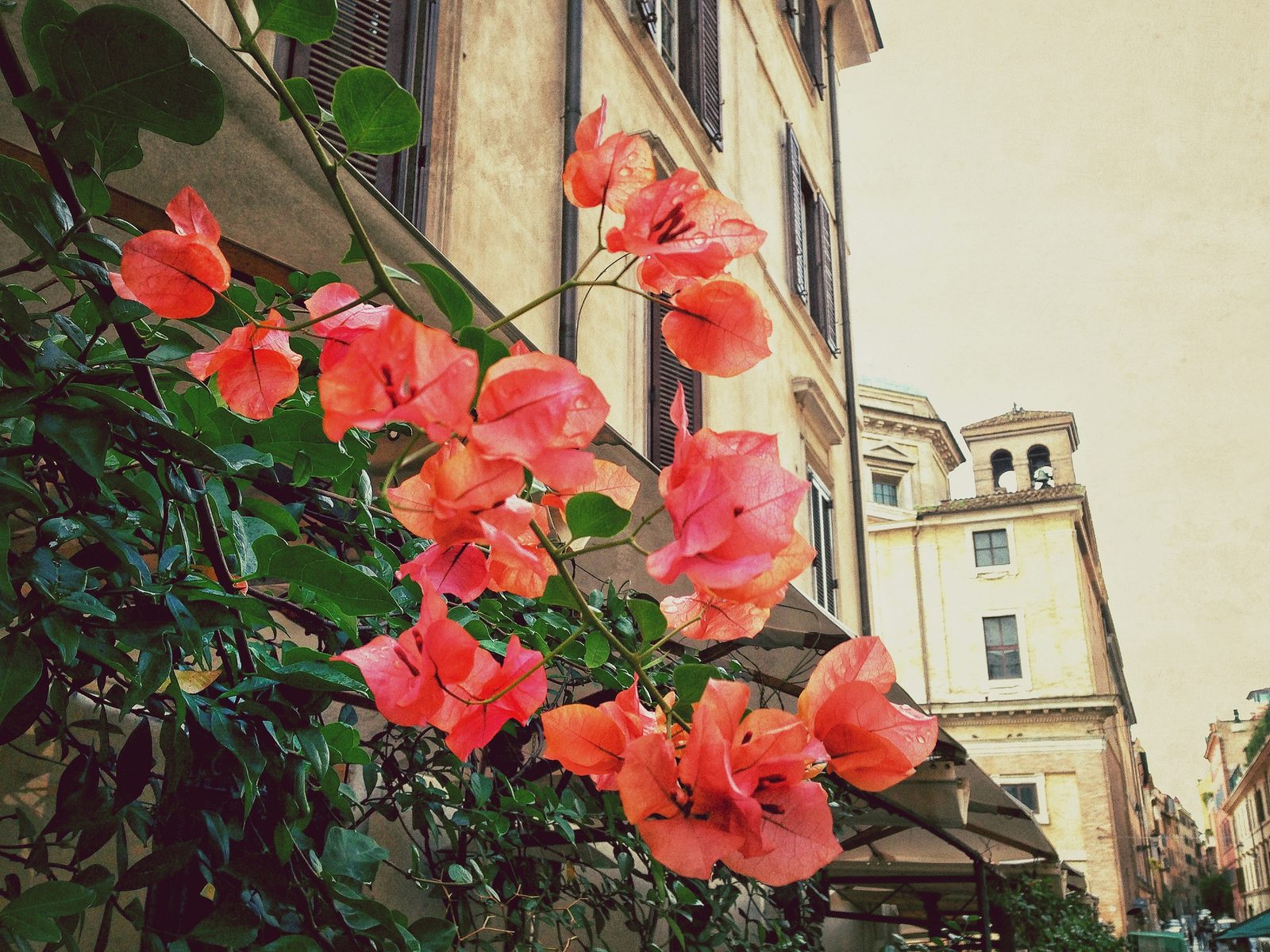
Photo: Roberto / Wikimedia Commons (CC BY 2.0)
In Monti the evening arrives early.
The neighborhood climbs the slopes of the Esquiline between Via Nazionale and the Colosseum. Its center is Piazza della Madonna dei Monti, a small square with a small fountain.
By seven the steps around the fountain are full. Young Romans. A bottle of Peroni in one hand. A supplì in the other, which is a fried rice ball that's molten inside. Gelato for the ones not drinking.
Everyone talking at exactly the same volume, which is loud.
Monti is Rione I, the first in Rome's numbering, with medieval roots that go back much further. In antiquity this was the Suburra, Rome's red-light district, so notorious for its fires and chaos that Augustus built a wall to shield his forum from it. Which is funny, because Augustus's forum is now a five-minute walk away and the old Suburra is full of natural wine bars.
Ai Tre Scalini, the bottiglieria on Via Panisperna, has been open since 1895. The entrance is under a curtain of vines. Hundreds of bottles behind the bar, most of them Italian, the day's pours chalked on a blackboard.
You order ricotta with truffle honey and a glass of something orange and wait for a table outside. You will not get a table outside. Nobody does.
On Via Panisperna, between the bar and the metro, a few carpenters' workshops are left. You can see wood shavings on the street if you look down. This is how you know what Monti used to be.
A restaurant owner named Aldo Liberatore said it: "Now there are just bed and breakfasts around. You see people going up the buildings with luggage. They stay one or two days. Before you saw families."
The families are mostly gone. The piazza is full every evening. Monti is still wonderful, which is part of the problem.
Garbatella
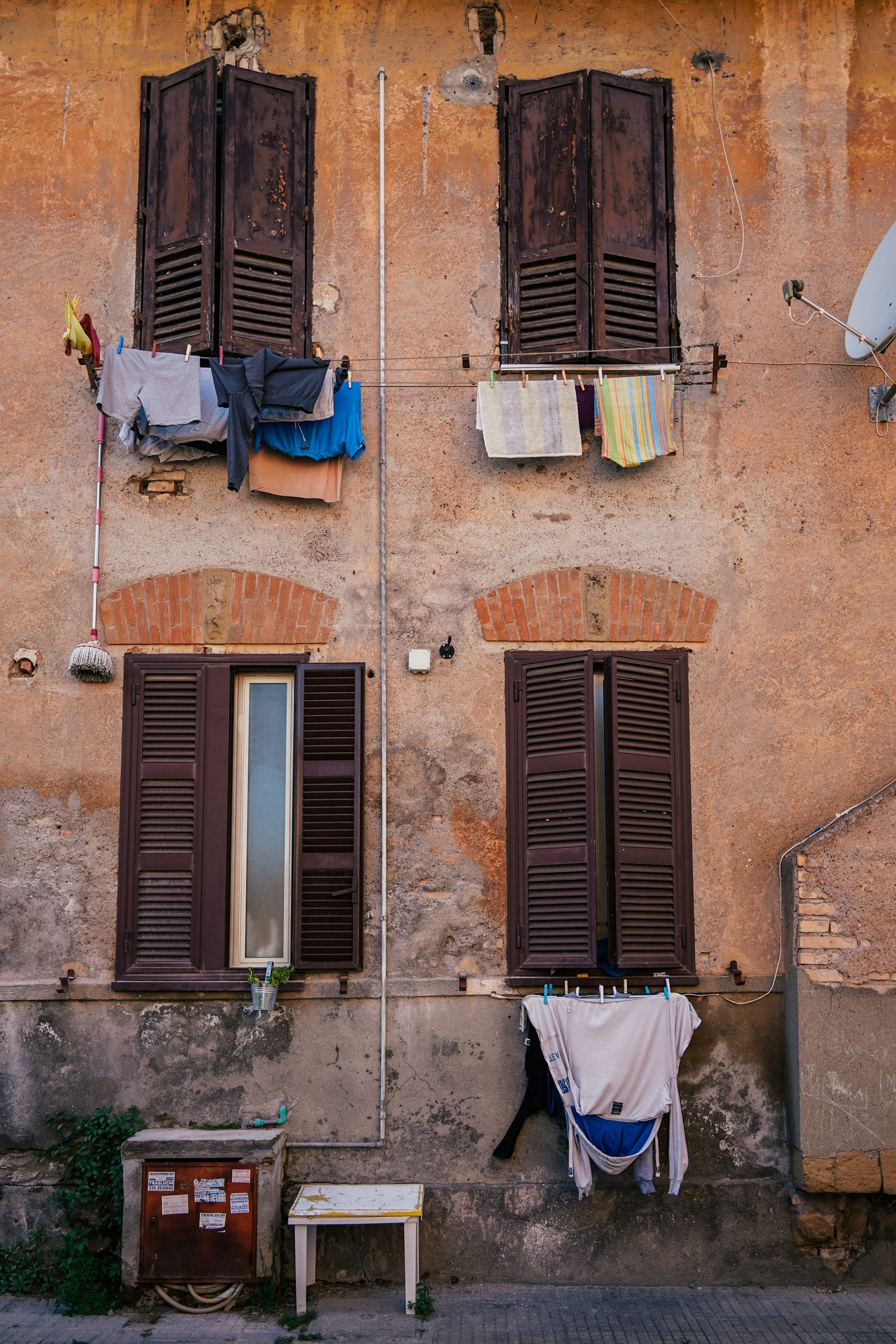
Photo: Gabriella Clare Marino / Unsplash
Now cross the rest of the city, three stops on Metro B, and get off at Garbatella.
This is the one nobody tells you about.
Garbatella was built in 1920 as a città-giardino, a garden city, meant to house workers for a new port linked to Rome by canal. The canal never happened. The neighborhood did.
Sixty-two numbered lotti, each one a small complex of three-story houses arranged around a communal courtyard. Gates that, to this day, are mostly left open. You can walk across half the neighborhood through these courtyards without using a proper street.
Flowers in pots. Laundry on lines. A kid on a bike. Someone's nonna on a bench.
The architecture has a name, barocchetto romano, and it's as strange as it sounds. Stucco birds, vines, grotesque little masks stuck to the walls of public housing. Decorated workers' flats, basically.
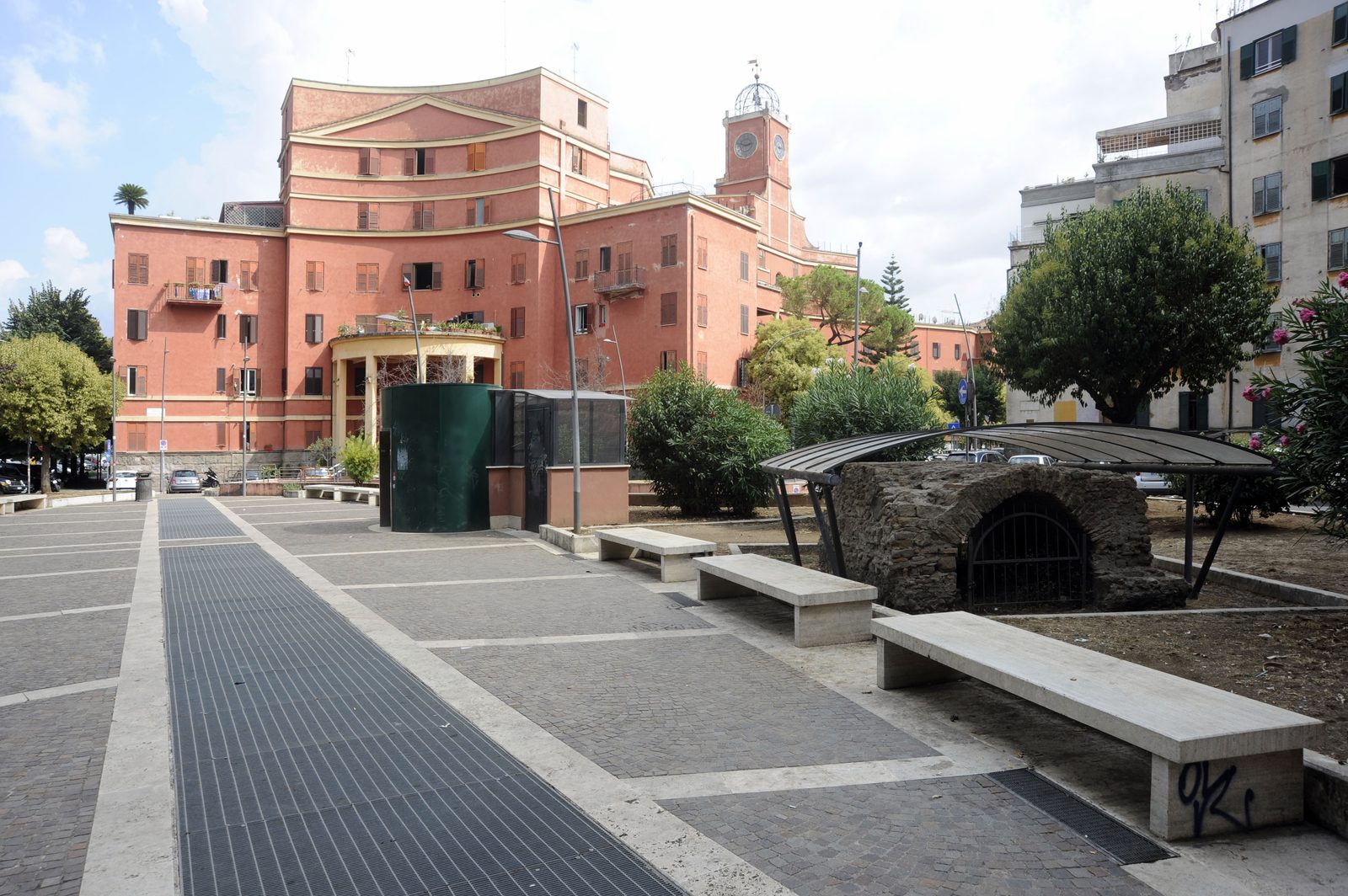
Photo: indeciso42 / Wikimedia Commons (CC BY-SA 4.0)
There's a clock on the Albergo Rosso, the red tower on Piazza Eugenio Biffi, that stayed stopped for most of a century. On March 7, 1944, Allied bombers hit the quarter trying to destroy the nearby railway yard. A bomb landed on the Albergo Bianco, the twin building next door, which housed a maternity clinic. Fifty people died in the rubble. The clock on the Rosso froze.
It was restarted in February 2020 for the neighborhood's centennial. A week later, the hands stopped again at 7:40.
The food is unpretentious. Bar Foschi has been open since the 1950s. Cornetti, cappuccino, nothing fancy.
La Casetta Rossa is a community-run restaurant inside a public park, volunteers in the kitchen. They run a pasto sospeso, pre-paid meals that go to anyone who needs one. Latteria Garbatella was a 1930s milk shop. It's now a cocktail bar.
Nanni Moretti filmed the best tribute to Garbatella in Caro Diario. He rides his Vespa through half of Rome, bored by most of it, and then turns onto a quiet street in Garbatella and says: il quartiere che mi piace più di tutti è la Garbatella. The neighborhood I like most of all is Garbatella. The camera just follows him and the houses.
He was right.
See the full Rome neighborhood scores or explore the map. Data from OpenStreetMap.