London, block by block
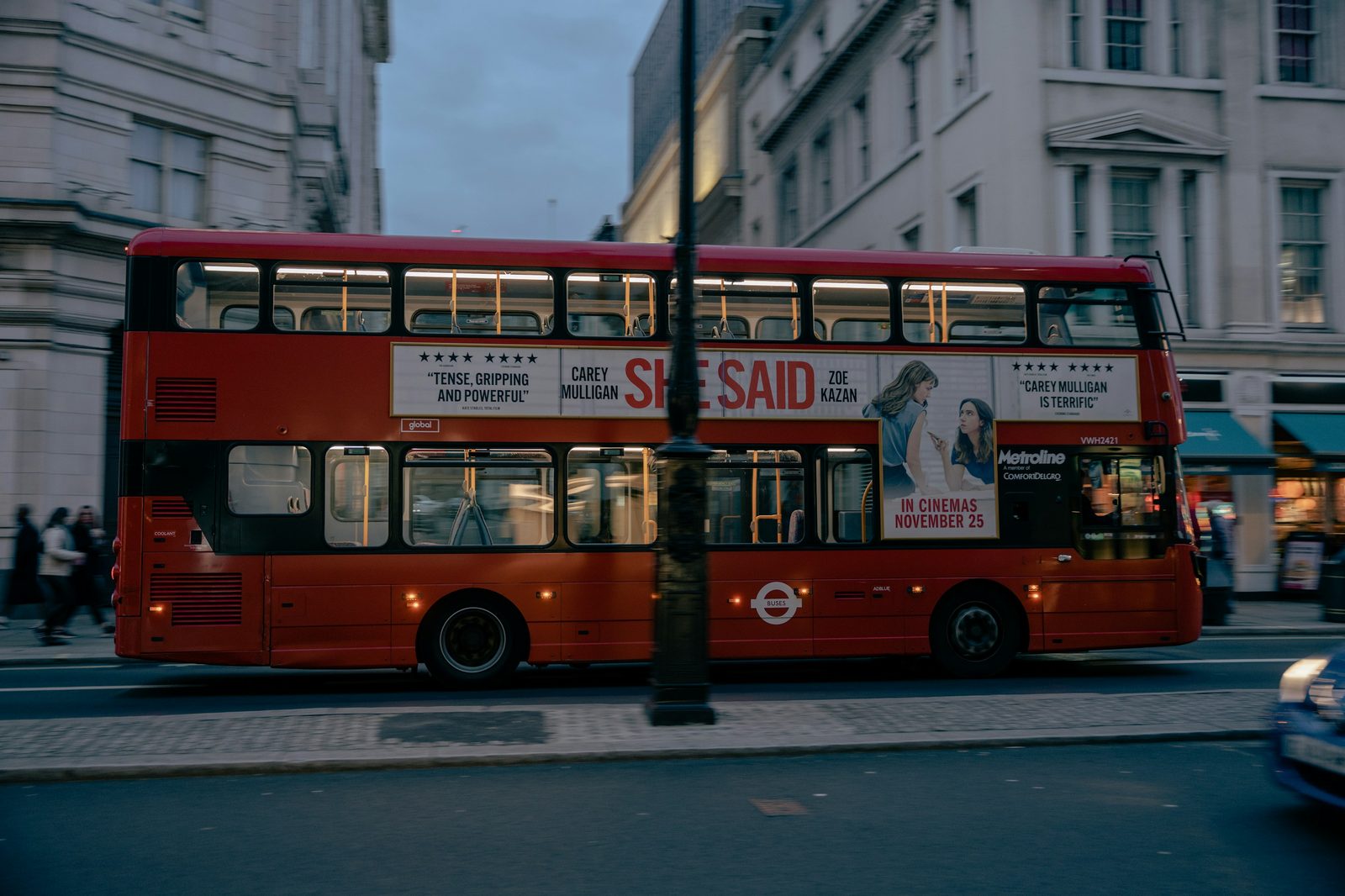
There were 93,602 empty homes across London in 2024. That's the highest count since records began in 2004. Average central rent passed £3,200 a month for a 1-bed in early 2025, and Section 21 no-fault evictions are being abolished from 1 May 2026.
About 9 million people live here. 40.7% were born outside the UK, and London schoolchildren speak more than 300 languages between them. The argument about who London is for shifts every twenty years. Ask someone in Soho and you'll get a different answer than in Walthamstow.
Four neighborhoods below, ordered roughly by when each one got "discovered." It reads like a timeline of the same story told from different decades.
Soho
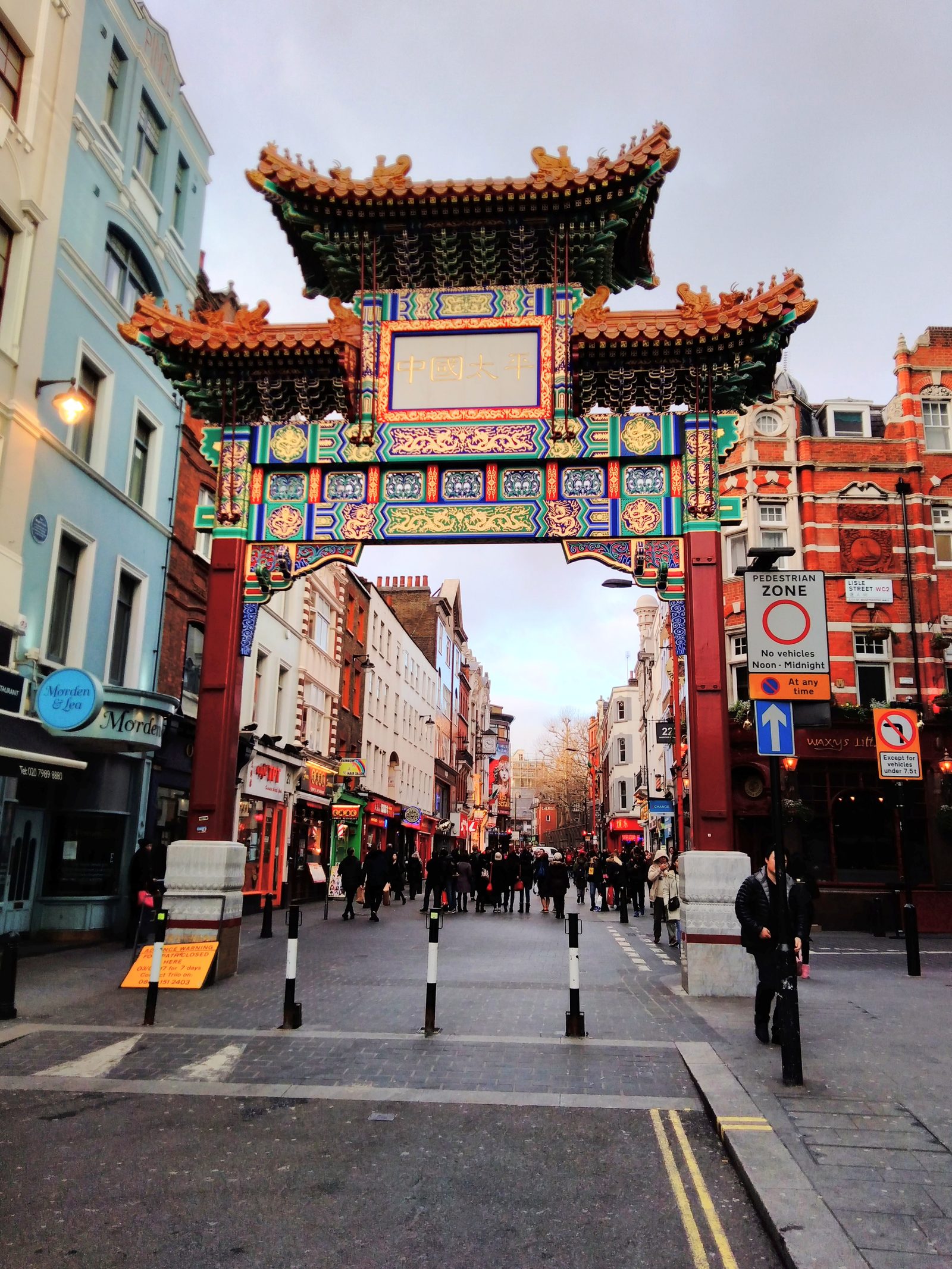
Photo: Paul Farmer / Wikimedia Commons (CC BY-SA 2.0)
Soho is dead at 7am and jammed by 9pm.
By 9 the office crowd from Wardour Street is queueing for flat whites, by midday Berwick Street is rammed, and after 5 the French House on Dean Street fills up. By 9 you can't move on Old Compton Street and the Chinatown queues on Gerrard Street start.
Bar Italia at 22 Frith Street stays open until 4am. It's been there since 1949. Lou and Caterina Polledri opened it. Their grandchildren Veronica and Antonio run it now. Same Gaggia, same red Formica counter.
About 11% of Soho residents are LGBTQ+, the highest share in Westminster, and only 28% were born in the UK. One company, Soho Estates, owns roughly a sixth of the neighborhood. The portfolio is worth £1.1 billion as of March 2025.
It was built by Paul Raymond, the strip-club owner who quietly bought buildings through the 1970s and 80s when Soho was at its sleaziest. He died in 2008 worth £650 million. His granddaughter Fawn James runs it now. Tim Lord at the Soho Society argues the 2020 planning reform letting shops flip into restaurants without permission is what's killing the daily mix.
Tuesday morning on Berwick Street one guy is selling avocados. The market dates to 1778 and used to have around 80 stalls.
The 1854 cholera outbreak started on Broad Street, now Broadwick. Final toll: 616. John Snow mapped the cases, traced them to one water pump, and on 7 September convinced the parish to remove its handle.
On 30 April 1999 a neo-Nazi named David Copeland left a nail bomb in the Admiral Duncan pub on Old Compton Street. Three were killed, including Andrea Dykes who was four months pregnant. Around 70 injured. It was Copeland's third bomb in three weekends, after Brixton and Brick Lane. The street is busier than it's ever been.
Shoreditch
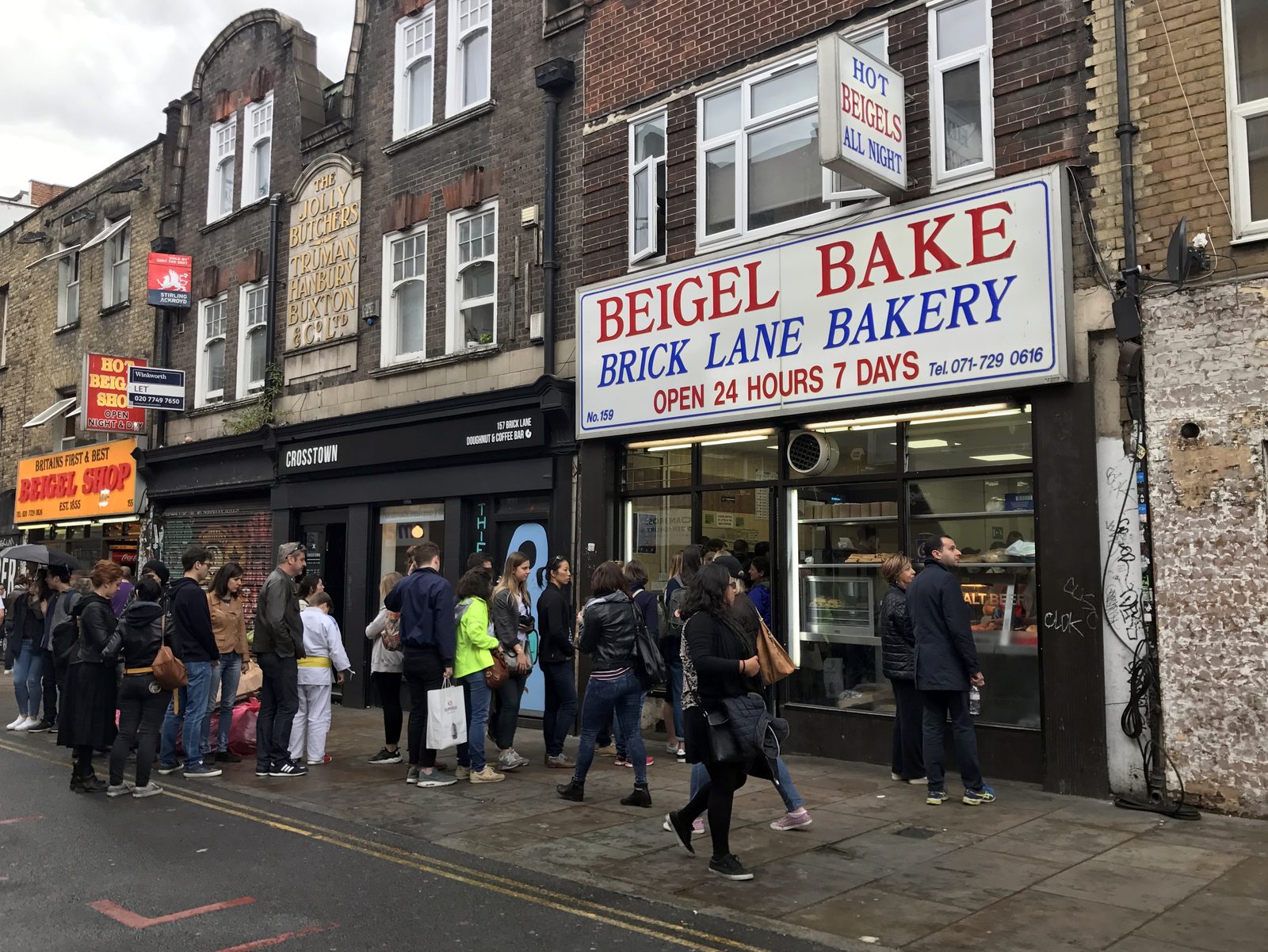
Photo: Bex Walton / Wikimedia Commons (CC BY 2.0)
Shoreditch was the future of London fifteen years ago.
By 11pm Friday on Brick Lane it's bachelorette parties, lads from Essex, and a slow shuffle of people looking for a curry house that's still there. By 9am Saturday the same stretch is quiet. Bangladeshi grandfathers walk to the mosque. The beigel queue at 159 Brick Lane is locals not tourists.
Beigel Bake opened in 1974, run by Asher Cohen and Sammy Minzly, open 24 hours, salt beef bagel unchanged. Up at Old Street roundabout the suit-and-trainers crowd ride Lime bikes to whatever office tower has the climate-tech tenant this quarter. The "Silicon Roundabout" name was a Matt Biddulph joke from 2008. Most of the 200 startups in that cluster have moved to King's Cross or gone bust.
The standout building isn't the brewery. It's 59 Brick Lane. Built 1743 as La Neuve Eglise for Huguenot refugees from France. Methodist chapel from 1819.
Synagogue from 1891, when some streets in the East End were 95% Jewish. Mosque since 1976, after Sylheti men arrived following the 1971 Bangladesh Liberation War. The 30-metre minaret was added in 2009. Same building, four religions, 282 years.
Tower Hamlets was the most gentrified borough in London 2010-2016, per the Runnymede Trust. Average house prices went from around £150,000 in 2000 to over £450,000 in 2024. Curry restaurants on Brick Lane: 35 in 2014, 20 in 2019.
The Bangladeshi community in the borough is still growing in absolute terms, but rents on Brick Lane itself are pushing many families east into Newham. In October 2024 a resident named Begum told Hyphen Online: "What's happened in Brick Lane surpasses gentrification, and it's now about big commerce and capital. How can a community co-exist with that?"
On 31 July 2025 Tower Hamlets Council voted to refuse the latest Truman Brewery planning application. Save Brick Lane won that round. Truman Brewery itself was founded 1666, biggest brewery in the world by 1853, closed 1989. There are 250+ businesses on the 11-acre site now.
Brixton
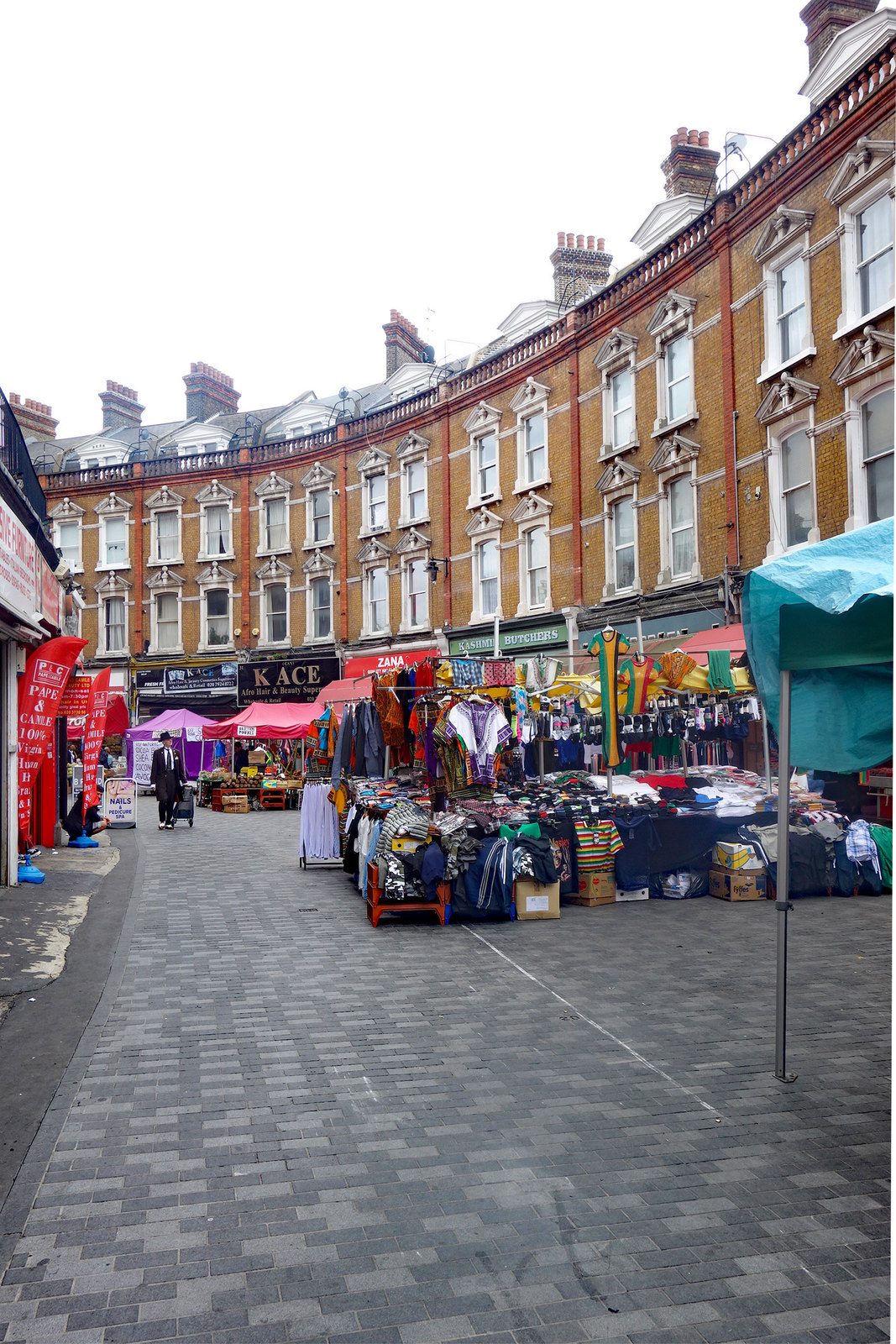
Photo: Jim Osley / Wikimedia Commons (CC BY-SA 2.0)
Brixton stayed Brixton longer than most people expected.
Saturday morning Electric Avenue is yams and plantains stacked on Atlantic Road pavements, fishmongers hosing ice on Pope's Road, jerk chicken smoke drifting from the Brixton Station Road end. The Victoria line tube exit jams up at peak. Atlantic Road bars fill from Thursday onward. The bass-from-car-windows trope on Coldharbour Lane is older than current Brixton. You'll still hear it.
The Empire Windrush docked at Tilbury on 22 June 1948, not Brixton. The 230 passengers without arranged accommodation were housed in the deep air-raid shelter under Clapham Common. The nearest Labour Exchange was on Coldharbour Lane in Brixton. That's how the community took root here.
The 1981 riots ran 10-12 April after Operation Swamp 81 stop-and-search escalated. The 1985 riots started after Met officers shot Dorothy "Cherry" Groce in her home on Normandy Road, paralysing her, while looking for her son. The Met formally apologised in 2014.
David Bowie was born on 8 January 1947 at 40 Stansfield Road. His mural by Jimmy C on the side of Morleys department store on Tunstall Road has had fresh flowers under it most weeks since he died on 10 January 2016.
The market kept going. Granville Arcade opened on 6 May 1937, Market Row in 1928. All three Brixton arcades got Grade II listing in April 2010, cited for cultural contribution to Afro-Caribbean London since the 1950s. The property company Hondo Enterprises bought the lot in 2018; the whole market was put up for sale in September 2024.
Brixton Academy on Stockwell Road, built 1929 as the Astoria, was closed for sixteen months after the December 2022 crowd crush at Asake's show. Two people died: Rebecca Ikumelo, 33, and Gaby Hutchinson, 23, a security guard. The venue reopened on 19 April 2024 with 77 mandatory safety conditions.
Lambeth's 2021 census put 24% of residents as Black or Black British, down from 25.9% in 2011. Croydon overtook Lambeth as the London borough with the largest Caribbean population. On 25 April 2015 about a thousand people gathered in Windrush Square for Reclaim Brixton. Someone smashed the windows of the Foxtons branch and sprayed "Yuppies out" across the front.
Walthamstow
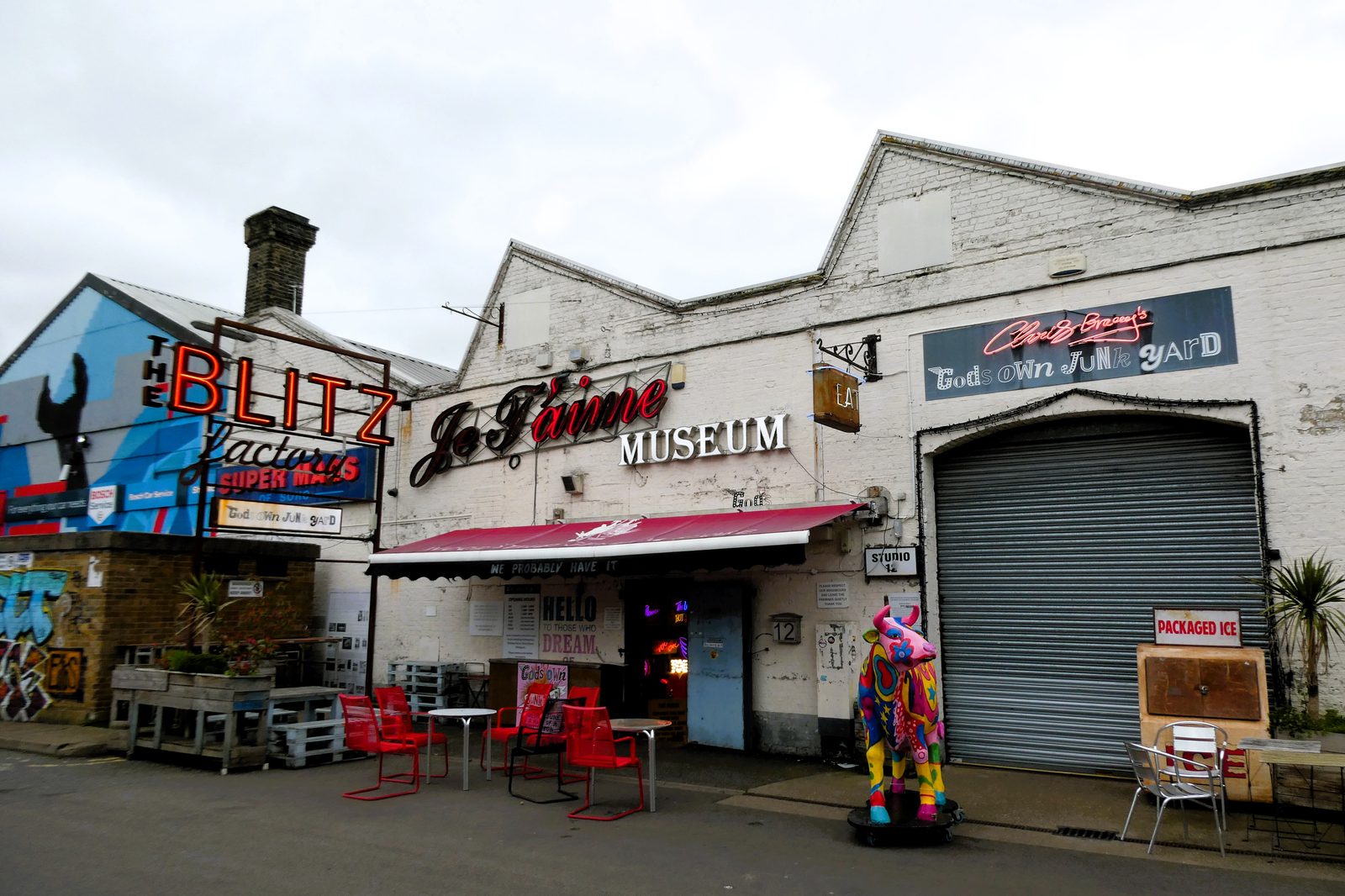
Photo: Ewan-M / Wikimedia Commons (CC BY-SA 4.0)
Walthamstow is the one going through its turn now.
For a long time it was just where the Victoria line ended. The 6pm crowd at Walthamstow Central pours up the platform stairs and splits, left for the bus station and right for Selborne Walk. Saturday morning the High Street is a kilometre of stalls. Pound bowls of fruit, halal butchers, Polski sklep, Romanian bakeries, two-quid socks. Walthamstow Market has been running since 1885.
People call it Europe's longest outdoor street market; the Waltham Forest Echo measured it at about 1 km in 2021, which is long but not the mile that's usually claimed.
Five minutes south-east of the High Street is Walthamstow Village. Cobbles, almshouses, a 1730 parish workhouse with "If any would not work, neither should he eat" still over the door (it's the Vestry House Museum now, opened 1931). The Village conservation area was designated in 1967. Around the corner is the William Morris Gallery, the only public museum dedicated to him; he was born here on 24 March 1834. PM Clement Attlee opened the museum in 1950.
Waltham Forest had the biggest house price rise of any London borough in the 2010s, up 130%, from a typical home around £213,000 in 2010 to about £443,000 by the end of the decade. Time Out put Walthamstow as London's coolest neighbourhood in 2022; the write-up called it "where all your friends moved five years ago: the place with more prams than people, where the streets are awash with hoppy IPAs, sourdough pizza and obnoxiously expensive houseplants."
A resident interviewed by the Waltham Forest Echo said the borough was "importing richer people" without "doing much to provide for people" who already live there. 47% of residents are minority-ethnic; the top non-English languages are Romanian, Urdu, Bulgarian, Polish, Turkish, Spanish.
The old EMD/Granada cinema on Hoe Street, designed by Cecil Masey and Theodore Komisarjevsky in 1930, reopened on 1 May 2025 as Soho Theatre Walthamstow with a 960-seat auditorium. God's Own Junkyard, on Ravenswood Industrial Estate, holds the largest neon collection in Europe.
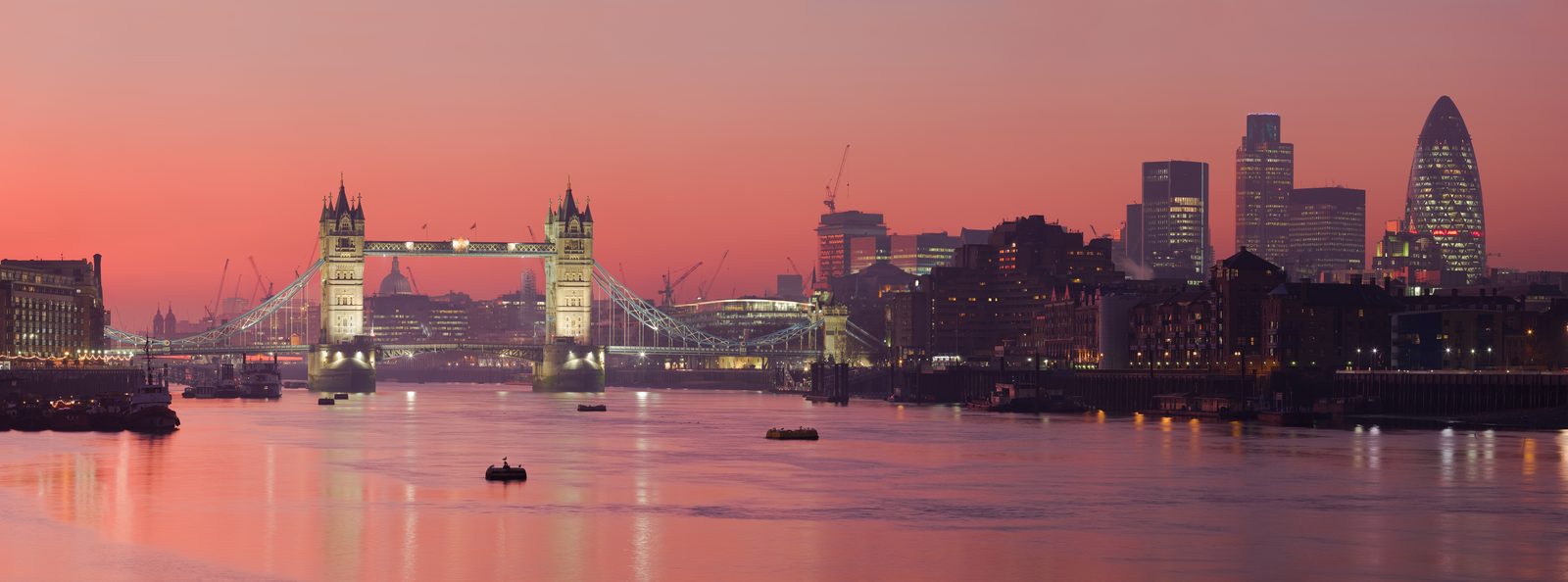
Photo: David Iliff / Wikimedia Commons (CC BY-SA 3.0)
Four neighborhoods, four versions of the same argument about who gets to stay. The mayor said in November 2024 that "a lack of affordable homes is having a profound and devastating effect in every corner of our capital... it's creating intergenerational inequality like we've never seen before."
93,602 empty homes. Section 21 evictions abolished on 1 May 2026. Whether either fact moves the needle is the open question.
Ask any Londoner who's been here ten years where the next round happens and they'll say Tottenham, or Catford, or Plumstead.
Tottenham is probably next.
See the full London neighborhood scores or explore the map. Data from OpenStreetMap.